Many people notice that on days with poor sleep, rushed meals or heavy work stress, both mood and energy feel off. Among the nutrients involved in these changes, vitamin B6 often appears as a quiet but important player. It is not a magic bullet, and it cannot replace professional treatment for mental health conditions, but research suggests that vitamin B6 is closely linked to neurotransmitter activity, mood regulation and how the body processes energy from food. This article reviews what is currently known, what remains uncertain, and how to think about vitamin B6 intake in a practical, safety‑minded way.
What vitamin B6 does in the body
Vitamin B6 is a water‑soluble vitamin that acts as a coenzyme in more than a hundred enzyme reactions, many of them related to amino acid metabolism and the use of protein in the body. It supports the conversion of amino acids into other compounds, the formation of hemoglobin in red blood cells, and the transformation of the amino acid tryptophan into niacin. Because amino acids are building blocks for both tissues and signaling molecules, B6 is indirectly tied to many systems, including the nervous system and immune function. Deficiency has been associated in clinical observations with symptoms such as skin changes, mouth corner cracking, anemia, numbness and certain mood disturbances. These links do not mean B6 is the only factor involved, but they show how widely it is integrated into daily physiology.
Vitamin B6 and neurotransmitters related to mood
One of the best known roles of vitamin B6 in mood balance is its involvement in synthesizing neurotransmitters such as serotonin, dopamine and GABA. These chemical messengers help regulate feelings of calmness, motivation, pleasure and focus, and they also interact with sleep and appetite regulation. When B6 is insufficient, the enzymes that build these neurotransmitters may not work optimally, which can contribute to irritability, low mood or increased stress sensitivity in some individuals. Observational studies have noted that low B6 status is more common in people with certain mood disorders, although this does not prove cause and effect. Many researchers emphasize that mood symptoms usually arise from a combination of biological, psychological and social factors, with nutrition being one piece of a larger picture.
B6, serotonin pathways and emotional swings
Serotonin is frequently discussed in the context of emotional wellbeing, and vitamin B6 participates in one of the key steps in its production from tryptophan. When this pathway is under strain, either due to low B6, overall nutrient gaps or chronic stress, the brain’s serotonin balance may be affected. Some clinical reports have linked B6 deficiency to emotional lability, including increased irritability and periods of low mood. At the same time, large population studies do not support the idea that taking B6 alone can replace standard depression treatment for most people. In practice, this means that maintaining adequate B6 intake may support the body’s natural serotonin-related processes, but persisting sadness, loss of interest, suicidal thoughts or severe mood changes call for prompt evaluation by mental health professionals rather than self-management through supplements.
Vitamin B6, GABA and anxiety experiences
GABA is another neurotransmitter often described as a “brake” in the nervous system because it dampens excessive excitation. Vitamin B6-dependent enzymes are involved in generating GABA from glutamate, a more excitatory neurotransmitter. Some newer studies have explored whether higher‑dose B6 supplementation in specific groups, such as young adults with elevated anxiety, may influence gamma‑aminobutyric acid–related pathways. Early findings suggest that certain protocols can be associated with reduced self‑reported anxiety scores, but research is still limited in size and design, and not all trials show the same degree of change. Specialists caution that people already taking psychiatric medication, those with bipolar disorder or older adults should never adjust treatment plans solely based on supplement information and should instead discuss any B6 use with their physician to avoid unwanted interactions or unrealistic expectations.
Energy metabolism, fatigue and everyday performance
Beyond mood, energy metabolism is another area where vitamin B6 plays a central role. It supports enzymes that convert amino acids and, indirectly, carbohydrates and fats into usable energy, helping the body extract fuel from meals and deliver it to cells. When B6 status is inadequate, people may experience tiredness, difficulty concentrating or a general sense of low vitality, although these sensations can have many possible causes. Because B6 is also involved in hemoglobin production, deficiency can coexist with certain types of anemia, which further affects stamina and mental clarity. For office workers, students and caregivers with demanding schedules, it is often hard to distinguish between nutrient-related fatigue and lifestyle‑driven exhaustion, which is why professional assessment is useful if fatigue is persistent, severe or accompanied by other worrisome signs such as weight change, palpitations or shortness of breath.
Food sources, daily intakes and safety margins
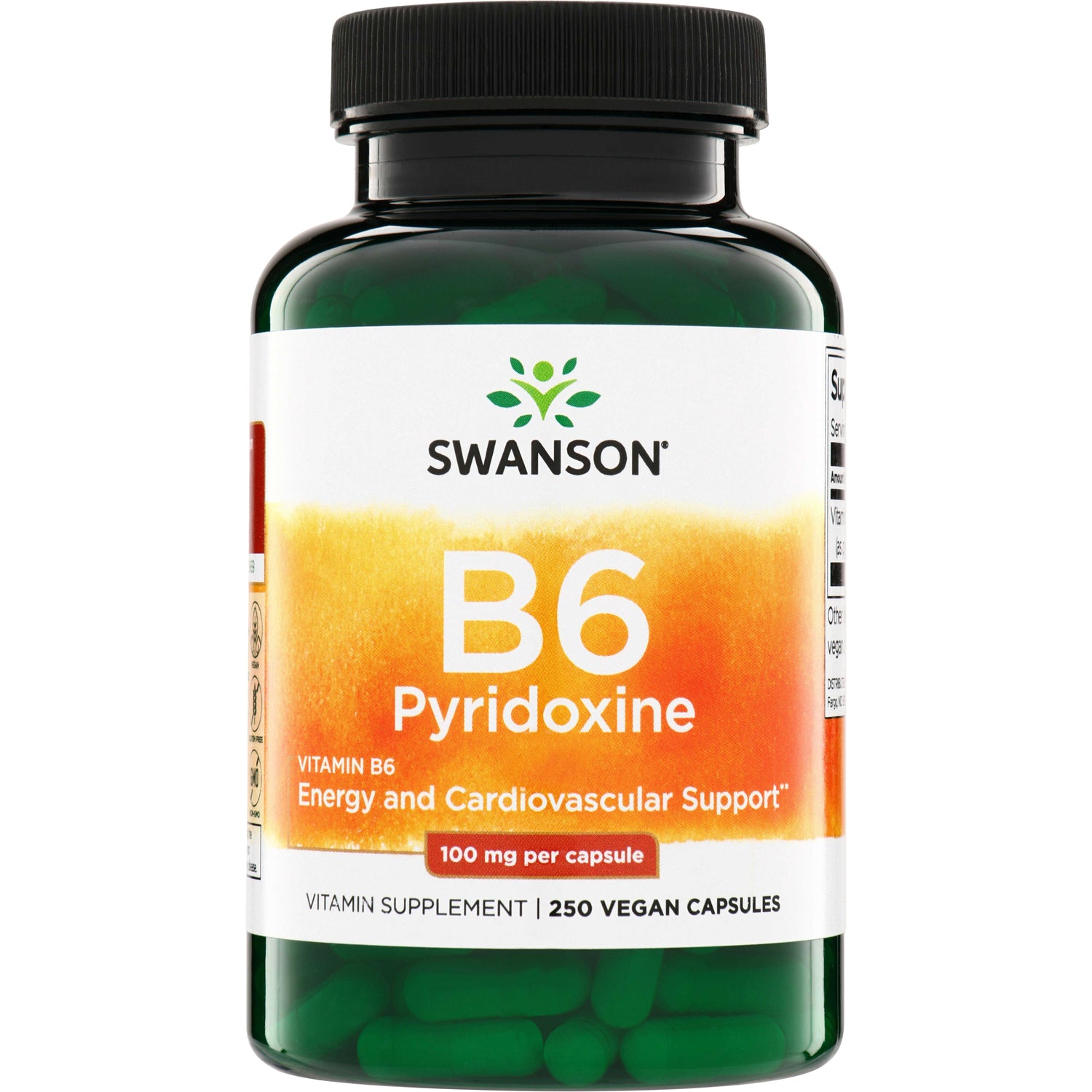
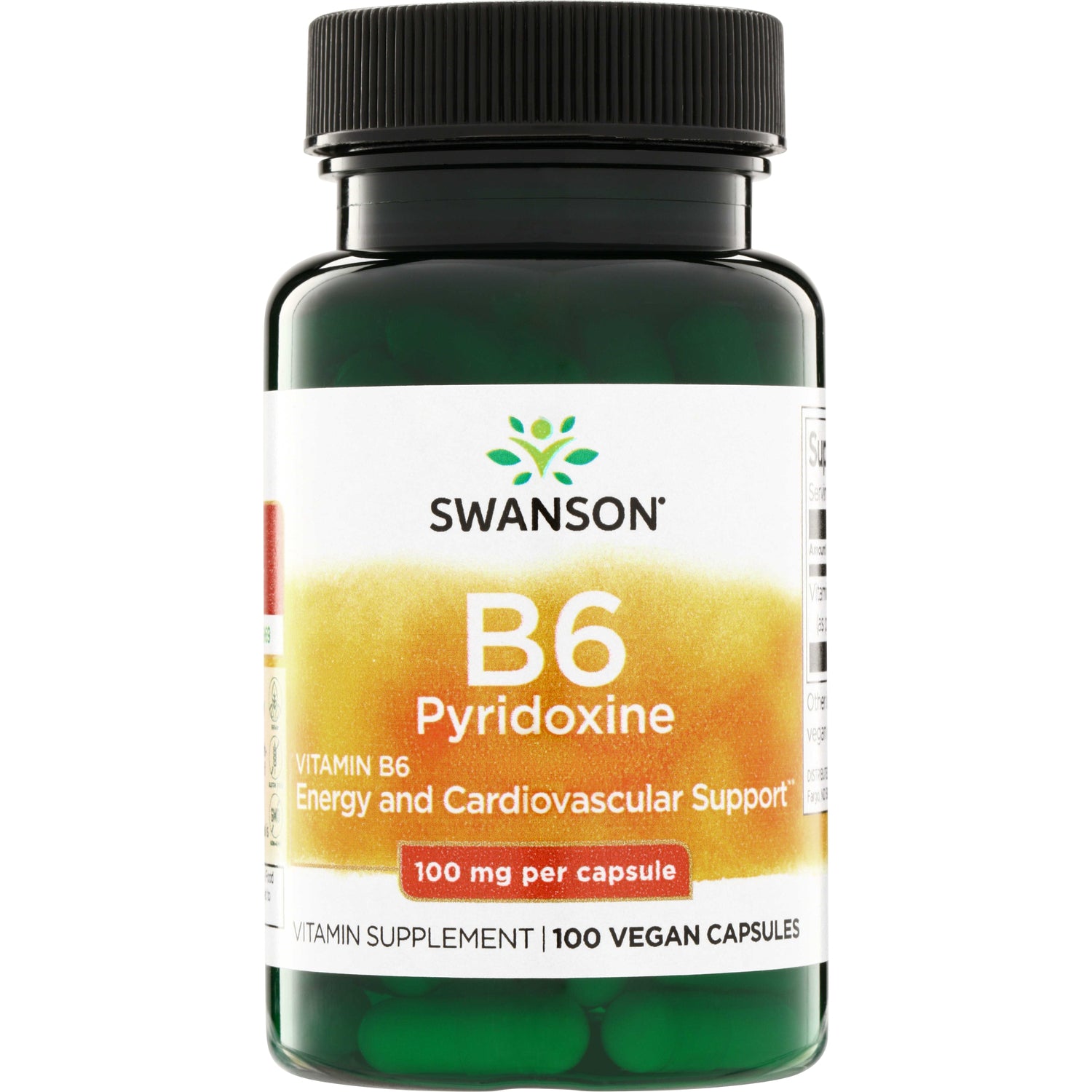
From a practical standpoint, most healthy adults can obtain sufficient vitamin B6 through a varied diet without relying on high‑dose supplements. Good sources include poultry, fish such as salmon and tuna, whole grains, potatoes, bananas, chickpeas and nuts. Many B‑complex supplements also contain B6 in amounts designed to complement food intake rather than greatly exceed it. Nutrition guidelines in various countries typically place adult daily needs in the range of about 1.3–1.7 mg, with upper limits around 100 mg per day for long‑term supplemental intake to minimize the risk of side effects. Reports describe that taking excessive doses over time can lead to symptoms such as tingling, numbness or other nerve-related complaints in some individuals. For pregnant or breastfeeding people, or those with kidney conditions or on multiple medications, discussing any supplement plan with a doctor or registered dietitian is particularly important.
When supplements are considered and what to watch out for
There are situations where clinicians may consider vitamin B6 or a full B‑vitamin complex as part of care, for example in documented deficiency, in people with very restricted diets or in some patients who already use certain psychiatric medications. In these cases, dosing and duration are usually decided on an individual basis and monitored. For the general public, experts often recommend focusing first on overall diet quality, stress management, movement and sleep habits before turning to high‑dose B6 products advertised for mood, stress or energy. Labels that promise dramatic benefits or use absolute language can be a red flag. Because research findings are still evolving, any information in this article should be viewed as general education only, not a personal medical plan. Readers who experience ongoing anxiety, depressed mood, energy crashes or concentration problems are encouraged to seek guidance from healthcare professionals, who can evaluate medical history, lab values and lifestyle factors in a comprehensive way.
Putting vitamin B6 in context for mood and metabolism
Taken together, current evidence suggests that vitamin B6 is an important cofactor in pathways that underlie both emotional regulation and the way the body handles energy from food. Adequate intake supports the normal function of neurotransmitters such as serotonin, dopamine and GABA, and it contributes to red blood cell formation and amino acid metabolism. At the same time, B6 is only one of many nutritional and non‑nutritional factors that shape daily mood, resilience and productivity. For most readers, paying attention to balanced meals, regular routines and professional care when needed will matter more than any single nutrient. Vitamin B6 can be viewed as part of a broader, evidence‑informed approach to wellbeing, where choices around food and supplements are made thoughtfully, safety is respected, and professional advice is actively sought whenever symptoms raise concern. All information here is intended as a reference and does not replace consultation with qualified healthcare providers.