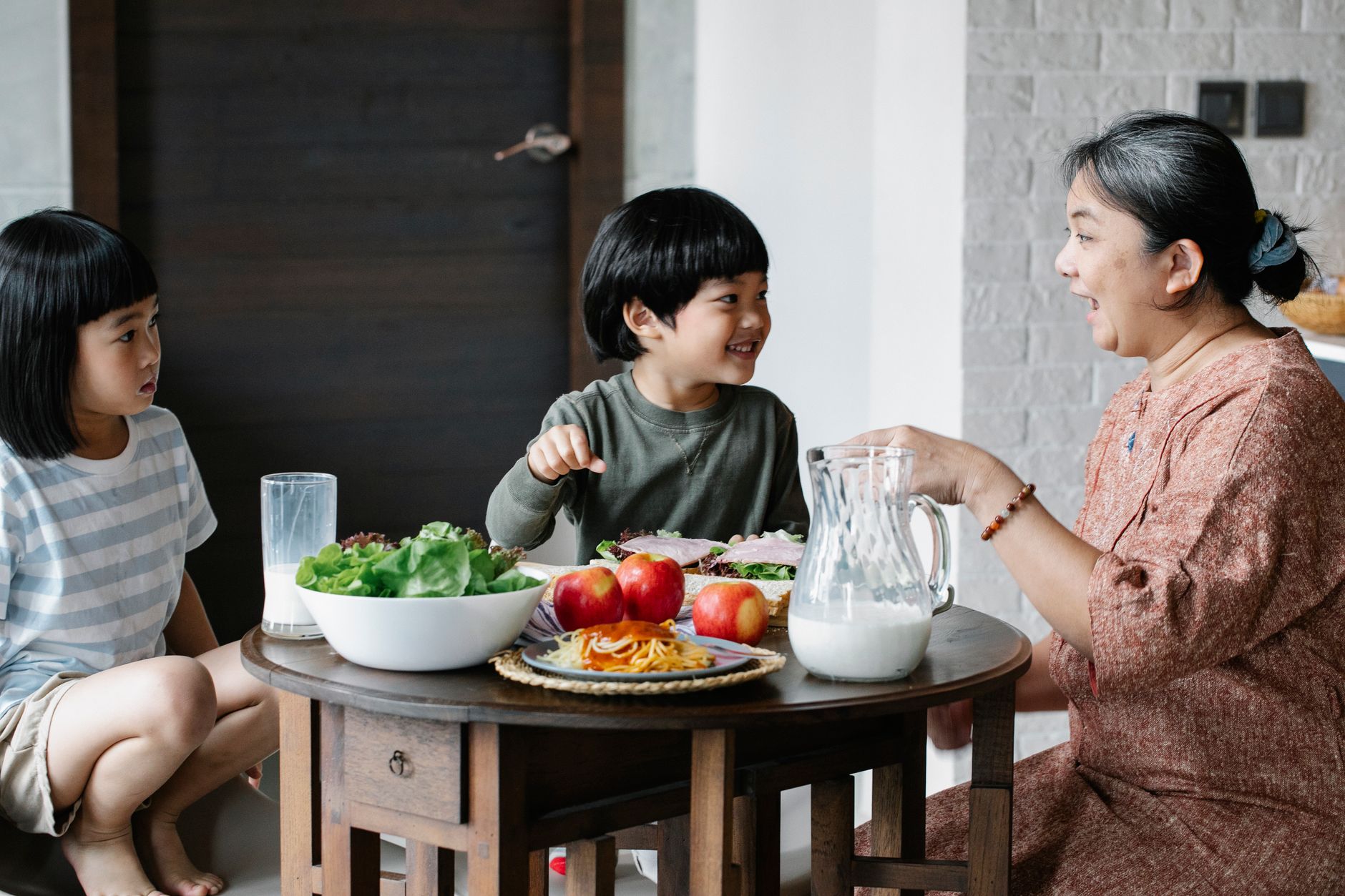
Supporting a child’s natural defenses starts with everyday nutrition and lifestyle choices rather than quick fixes or miracle solutions. Many parents notice that busy schedules, irregular meals, and picky eating can leave kids feeling tired or more vulnerable during the school year. A practical focus on balanced meals, enough sleep, movement, and hygiene often makes a noticeable difference in how children cope with seasonal challenges. This article looks at how food patterns, key nutrients, and family routines can work together to support a child’s overall resilience, with suggestions that fit into real-life school days and family meals.
Why nutrition matters for children’s immune protection
Children’s bodies are growing rapidly, and their immune systems are still learning to respond to new environments, school germs, and changing seasons. When daily meals are dominated by refined snacks and sugary drinks, kids may miss out on important building blocks their bodies need for normal immune function and tissue maintenance. In contrast, a varied diet with colorful fruits and vegetables, whole grains, and quality protein provides a wide mix of vitamins, minerals, and plant compounds that work together in many body processes. Parents who prioritize regular mealtimes, sufficient portions, and diverse food options create a foundation that supports energy, concentration, and the body’s natural defenses. Nutrition is not a standalone shield, but it is a central piece of the overall picture.
Building a balanced plate for kids
A practical way to think about children’s meals is to imagine a plate divided into sections: roughly half filled with vegetables and fruits, one quarter with whole grains or starchy foods, and one quarter with protein-rich items. This visual approach helps parents quickly see whether the meal leans too heavily on breaded snacks or lacks fresh produce. Colorful vegetables like carrots, broccoli, and bell peppers, along with fruits such as berries or oranges, offer fiber and a range of micronutrients in one serving. Whole grains, including oats, brown rice, and whole-wheat bread, provide longer-lasting energy compared with highly refined options. Protein from eggs, poultry, tofu, beans, or fish supports growth and tissue repair, which are especially important in school-age years. Using this simple plate method at breakfast, lunch, and dinner makes balanced eating easier to apply day after day.
Key vitamins and minerals related to immune support
Several micronutrients are closely linked with normal immune function, and children often obtain them through a mix of food sources over the course of a week. Vitamin C is found in citrus fruits, strawberries, kiwi, and tomatoes, and it plays a role in protecting cells from everyday oxidative stress. Vitamin D, often known for its role in bone health, is also involved in immune regulation; children may get it from sunlight exposure, fortified milk, eggs, or fatty fish, depending on local habits and climate. Zinc appears in meat, seafood, beans, nuts, and seeds, and it is associated with tissue integrity and immune signaling. Iron, especially important in growing years, supports oxygen transport and overall vitality, with sources including lean red meat, lentils, and leafy greens. Rather than focusing on single nutrients in isolation, parents can emphasize varied meals so these micronutrients appear naturally over time.
Preschool eating patterns and immune-related routines
Preschoolers are often curious yet selective eaters, and their food preferences can change quickly. At this age, routines matter as much as the individual foods themselves. Regular breakfast, lunch, and dinner, plus one or two planned snacks, help children learn to recognize hunger and fullness without constant grazing on sweets. Offering small portions of different foods on the same plate gives preschoolers a chance to explore new tastes while still having something familiar to rely on. Families can turn handwashing before meals into a simple game or song, linking hygiene with eating in a positive way. Limiting highly processed snacks and sugary drinks reduces the tendency for quick energy spikes followed by crashes, which can affect mood and activity levels. For young children, consistent patterns set the stage for healthier choices as they grow, indirectly supporting their overall health and natural defenses.
School-age nutrition in busy family schedules
Once children enter primary school, homework, after-school activities, and screen time can easily crowd out structured mealtimes. Many families find that planning ahead is essential to avoid relying on last-minute fast food or convenience snacks. Preparing a weekly menu, chopping vegetables in advance, or cooking larger batches that can be reheated quickly are simple strategies that keep balanced meals within reach on busy evenings. School lunches offer another opportunity: including a mix of whole grains, lean protein, and at least one serving of fruit or vegetables in lunchboxes helps sustain concentration and energy across the day. Parents may involve school-age kids in packing their own lunch or choosing vegetables at the grocery store, which increases the likelihood that they will actually eat what is provided. In this way, nutrition becomes a shared family project rather than a rigid rule.
Practical feeding tips for parents and caregivers
Feeding children is not only about nutrients; it is also about family dynamics, emotions, and daily routines. Pressuring kids to finish everything on their plate or using dessert as a reward can make mealtimes stressful and may encourage eating past natural fullness cues. A more helpful approach is to divide responsibilities: caregivers decide what foods are offered and when, while children decide how much to eat from what is available. Serving familiar dishes alongside one or two new items allows kids to experiment without feeling overwhelmed. Keeping screens away from the table encourages conversation and mindful eating, giving children time to notice flavors and textures. When picky eating appears, patience and repeated gentle exposure to new foods often work better than arguing or forcing. Over time, this calmer feeding environment supports both emotional well-being and healthier eating habits.
Beyond food: lifestyle factors and professional guidance
Nutrition interacts with other everyday habits that influence how children cope with seasonal changes and common challenges. Sufficient sleep helps the body carry out repair processes and maintain normal immune responses, while regular physical activity supports circulation, mood, and healthy weight. Time outdoors, within safety and local guidelines, can contribute to overall well-being and, in some regions, vitamin D status. Good hygiene practices, such as washing hands after playing outside and before meals, reduce unnecessary exposure to germs. When parents have concerns about a child’s growth, energy, or frequent illnesses, consulting a pediatrician or dietitian is important, especially before considering supplements or major diet changes. All information in this article is for general education only and does not replace individual medical assessment or advice from qualified professionals.