A woman’s inner anti-aging routine is not built around one capsule or one cream. It begins with regular meals, adequate protein, vegetables, fruit, whole grains, and sensible hydration, then adds skincare chosen for the individual’s skin type and daily environment. Healthy eating guidance generally places food first, while supplements may be appropriate in specific life stages or when a healthcare professional identifies a need. Skincare selection also benefits from a simple foundation: gentle cleansing, moisturizer, and broad-spectrum sun protection. The practical goal is not to chase dramatic promises, but to create a routine that is easy to repeat and suited to real life.
Start with nutrition before shopping for supplements
A balanced plate is a more reliable starting point than collecting many beauty-focused products. Meals can include colorful vegetables and fruit, protein foods such as eggs, fish, beans, tofu, poultry, or yogurt, plus whole grains and unsaturated fat sources. For women in different life stages, nutritional needs can vary, including during pregnancy, while trying to conceive, or after menopause. That is why a supplement should be considered in relation to diet, health history, medications, and professional advice rather than selected only because of an attractive anti-aging label. Readers who take prescription medicines, follow a restrictive diet, or have a medical condition should ask a clinician or registered dietitian before adding supplements. This approach keeps inner beauty care grounded in safety and everyday nourishment rather than exaggerated expectations.
- Review the weekly eating pattern before buying another product.
- Check whether meals regularly include protein, produce, whole grains, and calcium-rich foods.
- Discuss vitamins, minerals, herbs, and combinations with a healthcare professional when relevant.
Understand what “anti-aging” skincare can and cannot mean
The phrase anti-aging often combines several different goals: skin that feels comfortable, a smoother appearance, better moisture, or a more consistent tone. These are cosmetic objectives, not promises of medical treatment. Daily sun protection and moisturizing are widely recommended foundations because ultraviolet exposure can contribute to visible signs of skin aging, while moisturizer helps retain water and can make fine lines appear less noticeable. Product descriptions should therefore be read as positioning and usage guidance, not as a guarantee of a particular result. A simple routine is often easier to assess than a crowded shelf of overlapping products, especially when the skin is sensitive or prone to stinging.
Before introducing a new formula, readers can apply a small amount to a limited area and observe the skin for several days. Fragrance, texture, and richness matter because a product that feels unpleasant is unlikely to become a consistent habit. If burning, persistent redness, swelling, or another concerning reaction occurs, stop using the product and seek professional advice. Sun protection remains a separate consideration: a moisturizer or cream does not automatically replace sunscreen unless its label specifically states suitable broad-spectrum protection and the appropriate SPF.
How to assess a cream by texture, ingredients, and routine fit
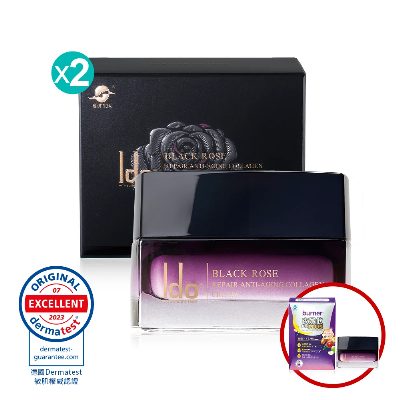
A useful comparison begins with the product’s stated purpose, texture, ingredient list, and instructions. 船井®Ido®黑玫瑰抗老膠原乳霜新客入坑組 (black rose collagen cream starter set) is positioned as a cream for skin needing a firming and repair-focused care routine. Its listed ingredients include water, emollient ingredients, humectants, dimethicone, panthenol, allantoin, glycerin, and fragrance, along with the product’s stated French Baccarat black rose and OxyLift collagen biomimetic technology. The described feel is a lightweight, bandage-like cream that is intended for day and night use. Users can apply an appropriate amount and massage it into the skin; a thicker application may be considered when the routine calls for an intensive cream layer, while the package directions should remain the final reference.
This product may suit readers who prefer a cream step and want to combine it with other skincare. It is not necessary to replace every existing product at once; instead, introduce it into a stable routine and observe comfort, texture, and tolerance. Because the formula includes fragrance, people with a history of fragrance sensitivity should read the full label carefully and consider a small-area test. The product name should be retained when searching or comparing listings, while any skin-related expectation should remain cosmetic and personal rather than medical.
When a set format is more convenient
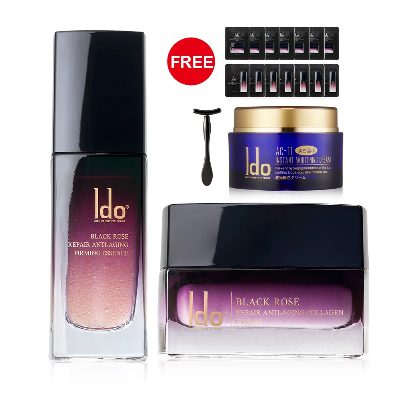
船井®Ido®黑玫瑰抗老修護組-熱銷冠軍組 (black rose repair set) is described as a day-and-night anti-aging skincare option featuring French Baccarat black rose, OxyLift collagen biomimetic technology, a dual-peptide concept, and niacinamide. Its listed formula includes water, squalane, glycerin, butylene glycol, niacinamide, cyclopentasiloxane, gelatin, allantoin, rose hybrid flower extract, ceramide NP, phytosphingosine, collagen, and ceramide AP, among other ingredients. The set is presented for users seeking a more structured routine focused on moisture, a smoother-looking appearance, and a comfortable finish. These descriptions should be understood as cosmetic positioning, not as a clinical claim.
The suggested order is to cleanse the face, apply toner, then use an appropriate amount and massage gently. This format may appeal to someone who prefers a defined sequence and wants one product concept to anchor both daytime and nighttime care. It may be less suitable for a reader who prefers a minimal routine, dislikes richer layers, or is currently testing several new products at the same time. As with any cosmetic, label instructions, skin response, and individual tolerance take priority over marketing language.
Common myths that make shopping harder
One common myth is that a higher product count automatically creates a better routine. In practice, layering multiple strong or unfamiliar products can make it difficult to identify which formula causes discomfort, and dermatology guidance commonly favors limiting unnecessary complexity. Another myth is that collagen wording on a cosmetic label means the product can reproduce the effects of dietary collagen or alter the body’s structure. A topical cream should be evaluated for its feel, moisturizing experience, ingredient transparency, and compatibility with the user’s routine, not treated as a substitute for nutrition or professional care.
A third misconception is that skincare can compensate for irregular meals, inadequate sleep, smoking, or unprotected sun exposure. A more realistic plan combines routine sun protection, gentle cleansing, moisturizing, varied meals, regular movement, and sleep habits that fit the person’s circumstances. Supplements also deserve caution: taking several products with overlapping nutrients can create unnecessary intake or interact with medicines. The safest selection process starts with the actual need, checks the label, and uses professional guidance when the situation is complex.
Choose by situation rather than by hype
For someone building a first routine, a gentle cleanser, moisturizer, and daytime sunscreen are usually more practical than a large collection of specialty products. A reader who spends substantial time outdoors should prioritize broad-spectrum sun protection and reapplication according to the product label. Someone working in air-conditioned offices may focus on a comfortable moisturizing texture, while a person with sensitive skin may prefer fewer changes and careful patch testing. The black rose cream starter set can be considered when a lightweight cream step fits the routine; the black rose repair set can be considered when a defined day-and-night sequence is more appealing. Neither option removes the need to review the ingredient list or observe skin tolerance.
Budget is only one decision factor. Packaging, fragrance preference, texture, routine length, ingredient familiarity, and the ability to use a product consistently may matter just as much. Before selecting, write down the main goal in neutral terms, such as “comfortable moisture,” “a richer evening layer,” or “a simpler routine.” Then introduce one meaningful change at a time, keep sun protection separate when required, and consult a dermatologist or healthcare professional for persistent skin symptoms, suspected allergy, pregnancy-related questions, or supplement decisions. Inner anti-aging care works best as a steady lifestyle framework rather than a single-product promise.
The information in this article is for reference only and does not constitute professional advice. For specific decisions, please consult a relevant professional based on your personal situation.