Children’s growth depends on the overall pattern of eating, sleeping, moving, and developing—not on a single powder, gummy, or drink. A useful supplement guide therefore begins with meals: a varied diet that includes vegetables, fruit, grains, protein foods, and suitable dairy or fortified alternatives gives children a broader nutritional foundation. Supplements may be considered when a child has a very limited diet, persistent food avoidance, a diagnosed deficiency, or a professional recommendation, but they should not replace regular meals. Parents should also compare age guidance, serving instructions, ingredient lists, allergens, storage requirements, and the child’s ability to swallow or chew safely. The products below are examples for evaluating different formats and routines, not promises of medical results.
Start with food, age, and the child’s routine
The phrase “golden growth period” can make parents feel that every missed vegetable or unfinished glass of milk will have lasting consequences. In practice, children’s needs change with age, appetite, activity, and development. A preschooler who refuses mixed dishes may accept plain foods, while a school-age child may eat more consistently when meals are predictable and snacks are planned. The first question is not which product sounds most advanced, but what is actually missing from the child’s usual pattern. A food diary covering several ordinary days can reveal whether the concern is vegetables, dairy, protein foods, variety, or simply irregular eating. For infants and toddlers, complementary foods should be safe, varied, and nutrient-dense, and decisions about supplements should be discussed with a pediatrician or dietitian. For older children, water, regular meals, sleep, and everyday movement remain part of the same foundation.
How to evaluate a children’s supplement
A practical comparison starts with the label rather than the front-of-pack promise. Check the intended age, serving size, preparation method, allergen information, active ingredients, and whether the formula duplicates another product already used at home. Calcium and vitamin D are often discussed together because vitamin D supports calcium absorption, but a child’s total intake includes food as well as supplements. The U.S. National Institutes of Health lists calcium reference amounts of 700 mg for children aged 1–3, 1,000 mg for ages 4–8, and 1,300 mg for ages 9–13; individual needs and medical circumstances can differ. A product with a pleasant format may be easier to use, but convenience does not make a higher serving appropriate. Parents should follow the package directions and seek professional advice when a child has allergies, chronic illness, restricted eating, or takes medication.
When picky eating changes the selection criteria
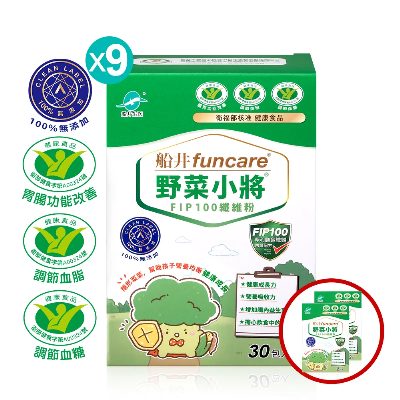
Picky eating is not solved by hiding every disliked food indefinitely. A more sustainable approach combines repeated, low-pressure exposure with familiar foods, realistic portions, and opportunities for the child to participate in choosing or preparing meals. For families dealing with strong texture or flavor preferences, a neutral-tasting powder may be easier to incorporate than a strongly flavored chew, provided the label permits that use and the child’s dietary restrictions are checked. 船井®野菜小將兒童專用隱形菜菜成長組 (children’s invisible vegetable nutrition set) contains Fibersol-2 dietary fiber, inulin, and milk protein powder according to its product information. Its listed use is one sachet twice daily, preferably before meals, with 30 sachets per box and 3.5 grams per sachet. The product information describes it as colorless and flavorless for mixing with drinks or foods, and identifies it for children aged 1 and above; parents should still review the full label and consult a healthcare professional when appropriate.
Calcium, vitamin D, and texture preferences
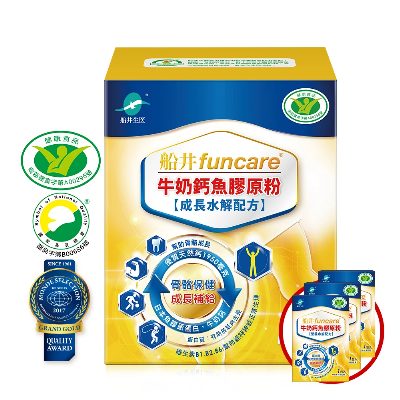
Some children accept milk-based flavors but resist tablets, while others prefer a small serving mixed into a familiar drink. That difference makes format, timing, and tolerance just as relevant as the nutrient category. 船井高成長®閃購價3980元★配方高人一等【牛奶鈣魚膠原粉】-熱銷冠軍組(+/共) lists fish collagen protein, milk calcium, whole milk powder, calcium lactate, vitamins B1, B2, B6, and vitamin D3 among its ingredients. The listed serving is one sachet once daily after a meal, with 30 sachets per package, and the product is identified as made in Taiwan with storage below 27°C in a cool, dry place. Because it includes milk-derived ingredients and a detailed formula, families should check suitability for milk allergy, dietary restrictions, and any existing supplements before use. The product name should be matched exactly when searching the store, while final decisions should rely on the package label and professional guidance.
Liquid, jelly, and chewable formats
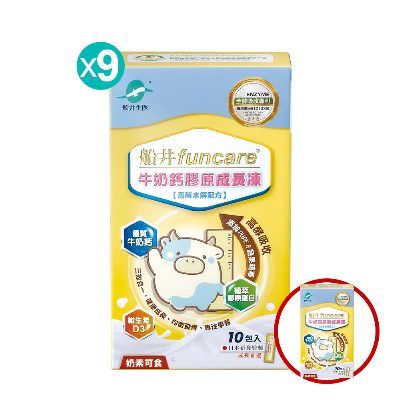
A product’s format can influence whether a routine lasts, but it should not be confused with proof of superior nutrition. Liquid products may suit children who dislike powders, whereas jelly formats require careful attention to chewing ability, serving size, and choking precautions. 船井高成長®牛奶鈣膠原成長凍(高酵水解配方)滿意體驗組+送(奶素可食) is described with milk calcium, plant-derived collagen protein, vitamin D, and a high-enzyme hydrolysis formula; its product information lists a suggested intake of one to two packs daily and notes that children with milk allergy should avoid it. 船井®3C葉黃素飲(兒童學齡專用/含維生素D/膳食纖維) is a liquid product whose listed ingredients include lutein, DHA, vitamin D, and dietary fiber, with a suggested daily amount of one to two sachets after meals and use for children aged 1 and above. These descriptions do not replace an assessment of the child’s complete diet or individual needs.
Screen time, school routines, and label checks
School days create practical challenges: rushed breakfasts, packed lunches, after-school activities, and long periods of screen-based learning. A supplement may fit a routine only when the child can take it safely and consistently, without displacing water or a real meal. 船井®3C葉黃素凍-果凍三兄妹(兒童寶貝專用/含維生素D)共 is listed for children aged 4 and above who can chew, with one pack daily after a meal. Its product information lists lutein, vitamin D, mixed fruit and vegetable concentrates, and multiple vitamins, and advises slow chewing; families should follow that instruction and avoid giving it to a child who cannot chew safely. When comparing products, parents can create a simple checklist: age range, serving frequency, texture, milk or other allergens, ingredient overlap, storage, and whether the child’s clinician has identified a genuine nutritional gap. This keeps the decision grounded in suitability rather than advertising language.
Choosing by situation, not by the biggest promise
For a child who avoids vegetables but accepts familiar drinks or foods, a neutral powder format may be easier to introduce gradually. For a child who prefers a milk flavor and needs a simple after-meal routine, the milk calcium and fish collagen powder may be more practical, subject to ingredient checks. For children who prefer a jelly texture, the two growth jelly and fruit-flavored lutein jelly formats require attention to age, chewing ability, allergies, and the package directions. Families should not combine several overlapping products automatically, because total intake can come from fortified foods, drinks, and other supplements. If growth concerns, fatigue, restricted eating, poor appetite, gastrointestinal symptoms, or suspected deficiency are present, a pediatrician or registered dietitian can help determine whether testing or a tailored plan is appropriate. A balanced eating pattern remains the starting point, while a supplement is only one possible tool within that plan.
The information in this article is for reference only and does not constitute professional advice. For specific decisions, please consult a relevant professional based on your personal situation.