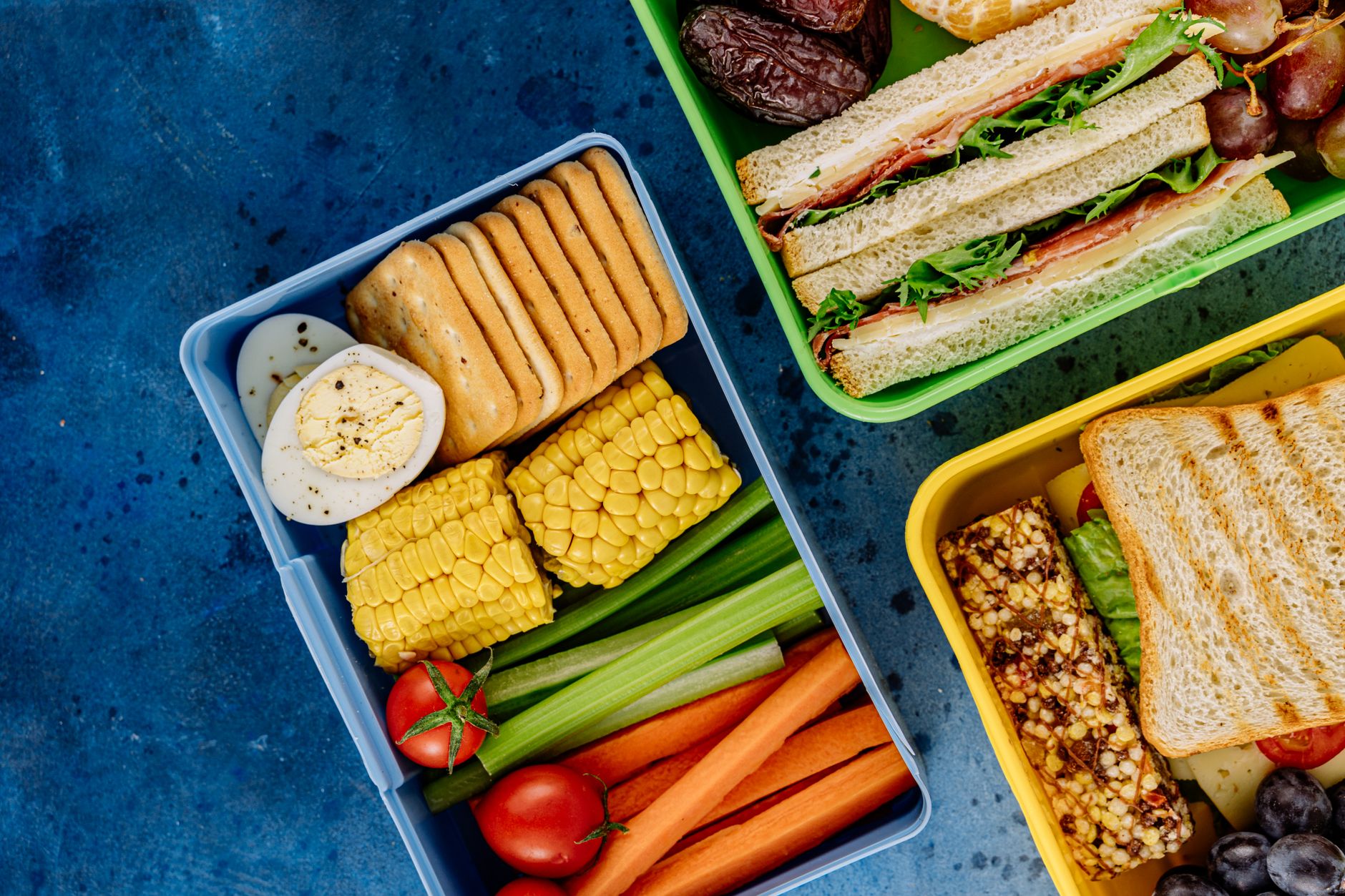
Children who refuse vegetables, rotate through only a few familiar foods, or avoid certain textures can make family meals stressful. Yet picky eating is often part of normal development, especially when appetite, independence, sensory preferences, and growth patterns change. The practical goal is not to force a child to eat a particular food, but to create regular opportunities for varied, age-appropriate choices while watching overall intake over time. Nutritional support works best when it combines a calm eating environment, familiar foods, gradual exposure, and professional advice when the diet becomes unusually limited.
Start with the overall pattern, not one meal
A child’s nutrition should be assessed across several days rather than judged by a single lunch or dinner. A meal can include a familiar carbohydrate, a protein food, and a fruit or vegetable, but the child does not need to eat every item or finish the plate. The American Academy of Pediatrics recommends offering healthy family foods in age-appropriate portions and allowing the child to decide whether and how much to eat. This division of responsibility can reduce pressure while keeping adults responsible for what, when, and where food is offered.
A practical plate might contain rice or pasta, shredded chicken or tofu, and sliced fruit, with one small portion of a less familiar food placed beside accepted items. If the child eats only the rice, the meal still provides an opportunity to see and tolerate other foods. Parents and caregivers can review the weekly pattern for protein, dairy or alternatives, fruit, vegetables, grains, and fluids instead of negotiating over every bite. Growth, energy, bowel habits, and development also matter, so persistent concerns deserve discussion with a pediatric clinician or registered dietitian.
Build nutrition around accepted foods
Nutritional support is usually easier when new foods are connected to foods a child already accepts. A child who eats toast might be offered toast with a thin spread of egg salad, avocado, or hummus; a child who prefers yogurt might try yogurt alongside soft fruit, oats, or finely ground nuts when safe for the child’s age and allergy history. The new item can remain very small at first, because a large unfamiliar portion may feel overwhelming. The purpose is exposure and familiarity, not immediate consumption.
Meals can also be strengthened by choosing nutrient-dense versions of accepted foods. Examples include oatmeal with milk, beans blended into a sauce, cheese added to pasta, or a smoothie made with yogurt and fruit when drinking does not replace regular meals. High-calorie shakes, sweetened drinks, and commercial nutrition products should not be used casually, since they may reduce appetite for meals or provide more energy than a child needs. Food texture, choking risk, allergies, and age-specific preparation should always be considered.
Pay special attention to iron and other micronutrients
Restrictive eating can make some nutrients harder to obtain, particularly when a child rarely eats meat, beans, eggs, dairy products, fortified grains, or vegetables. Iron-rich options may include lean meat, fish, eggs, lentils, beans, tofu, and iron-fortified cereals, depending on the child’s dietary pattern. Pairing plant sources of iron with fruit or vegetables containing vitamin C can be a useful meal-planning approach, while excessive milk intake may displace other foods in some children. Specific nutrient needs vary by age, growth, health status, and medical history.
A multivitamin is not a substitute for a varied diet, and more is not necessarily better. Some health services recommend vitamin A, C, and D supplementation for children from six months to five years, while guidance differs by country, diet, season, and individual circumstances. Parents should check the label, choose an age-appropriate product, avoid combining several supplements with overlapping ingredients, and ask a pharmacist or clinician whether iron or another nutrient is appropriate. Iron products require particular caution because accidental ingestion can be dangerous.
Use calm routines and repeated exposure
Regular meal and snack times can make eating more predictable than allowing a child to graze throughout the day. A family may offer three meals and two planned snacks, provide water between eating occasions, and keep meals long enough for the child to eat without extending them indefinitely. Adults can model eating a variety of foods, describe food neutrally, and offer limited choices such as “Would you like pear or banana?” rather than asking an open-ended question when the child is already tired or hungry.
Children may need repeated, low-pressure exposure before accepting a new food. A new item can appear on the table, then on the plate, and later be touched, smelled, licked, or tasted according to the child’s comfort. Refusal should be handled calmly, without threats, bribery, shame, or forcing a bite. Offering the food again on another day is more constructive than treating one refusal as a permanent dislike. Eating together, using child-sized portions, and keeping screens away from the table can also support attention to hunger and fullness cues.
Know when professional assessment is needed
Picky eating warrants closer assessment when the child eats an extremely small range of foods, loses weight, falls away from an expected growth pattern, regularly gags or chokes, experiences pain with eating, has persistent constipation or vomiting, or shows marked distress around food. A clinician may review growth, oral-motor skills, swallowing, allergies, gastrointestinal symptoms, and possible nutritional deficiencies. A dietitian can help design a realistic food plan that respects cultural meals, allergies, sensory preferences, and the family’s budget.
Families should bring a short food record covering several days, including drinks, snacks, supplements, and situations in which eating is easier or harder. This information is more useful than describing a child simply as “fussy.” If a child has a very restricted diet, supplements should be selected with professional input rather than added in multiple overlapping products. Health information in this article is general and for reference only; individual nutrition or supplement decisions should be discussed with a qualified healthcare professional.
A practical plan for the next week
The most sustainable approach is small and consistent. Caregivers can select one familiar food for each meal, add one very small learning food, schedule meals and snacks, and record what the child accepts without turning the record into a scorecard. One example is breakfast with fortified cereal and milk, lunch with a preferred sandwich plus cucumber, dinner with noodles, tofu, and fruit, and planned snacks such as yogurt or a soft fruit. The exact foods should reflect the child’s age, culture, allergies, and current skills.
The family can also choose one non-food goal, such as sitting at the table for part of the meal, touching a new food, or helping wash fruit. Progress may look like tolerating a food on the plate before eating it. If the child’s diet remains narrow or caregivers are worried about growth or deficiencies, professional assessment is the next appropriate step. A calm routine and gradual exposure provide a foundation, while individualized advice determines whether a supplement or further evaluation is needed.