Many people experience days when bowel movements feel slow, hard, or uncomfortable, even without a diagnosed disease. Instead of focusing only on quick fixes, it is often more sustainable to look at how the gut is treated every day: what is eaten, how much is moved, sleep patterns, and bathroom routines. When these pieces work together, the intestines tend to move more smoothly and the stool usually becomes easier to pass. This article looks at gentle, everyday methods to care for the gut when dealing with occasional constipation, with an emphasis on food, habits, and realistic lifestyle changes. All information is for general education only and is not a replacement for a consultation with a healthcare professional.
Understanding how the gut moves stool
Before changing habits, it helps to know what is happening inside the body. The large intestine slowly absorbs water from the stool while muscular waves push it toward the rectum. If stool sits for a long time, it becomes drier and harder, which can make bowel movements painful or infrequent. Stress, long hours of sitting, low fiber intake, and not drinking enough fluids can all influence this process. The gut is also home to a large community of microorganisms, often called the gut microbiota, which interact with food components such as fiber and produce substances that influence motility and stool texture. When daily life supports both intestinal movements and this microbial community, many people notice that their bowel pattern becomes more regular and comfortable.
Using dietary fiber wisely for softer, bulkier stool
Dietary fiber is one of the most practical tools for gut care, but the type and pace of change matter. Soluble fiber, found in foods like oats, barley, beans, apples, citrus fruits, and some root vegetables, forms a gel-like texture with water and tends to make stool softer and easier to pass. Insoluble fiber, present in whole wheat, brown rice, bran, many raw vegetables, and nuts, adds bulk and can stimulate intestinal movement. Rather than suddenly doubling fiber intake, which may cause gas and bloating, many dietitians recommend gradually adding fiber-rich foods over one to two weeks and pairing them with ample fluids. Simple steps include choosing whole grain bread or brown rice more often, adding beans to soups or salads, or topping breakfast yogurt with fruit and oats.
Nurturing gut microbiota with prebiotics and fermented foods
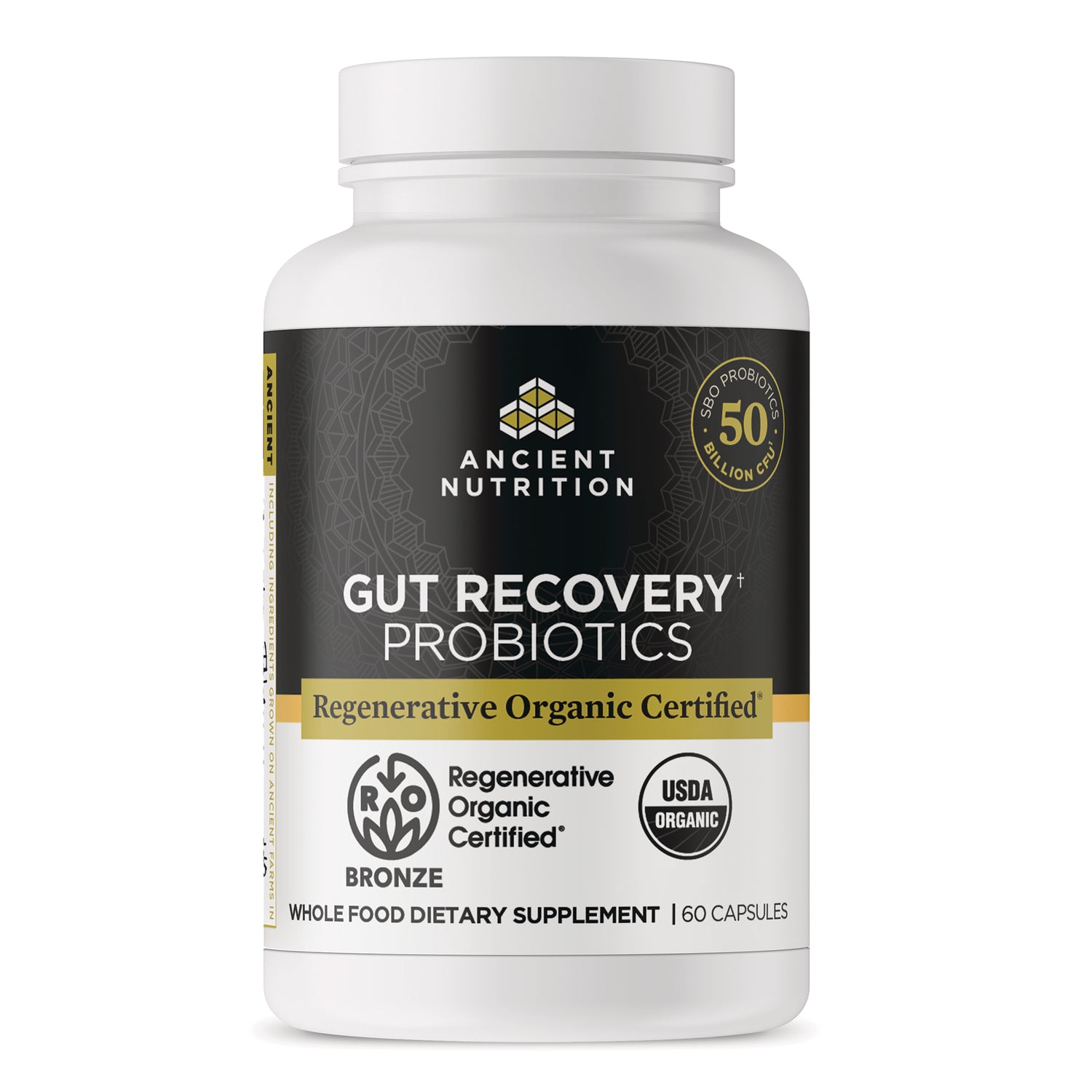
The gut microbiota responds strongly to what a person eats every day. Prebiotic fibers, naturally present in foods such as onions, leeks, garlic, asparagus, bananas, and legumes, serve as fuel for beneficial bacteria in the colon. When these bacteria ferment fiber, they produce short-chain fatty acids that support colon health and may influence bowel movements. Fermented foods like yogurt with live cultures, kefir, kimchi, sauerkraut, miso soup, and some traditional pickles provide probiotics, which are live microorganisms that can temporarily join the gut community. Including a mix of prebiotic-rich plant foods and fermented options in meals—such as a bowl of miso soup with vegetables, or yogurt with fruit and oats—can be a practical way to support a more balanced gut environment over time.
Hydration, gentle fats, and cooking methods
Water and other fluids have a direct effect on stool consistency. When the body is consistently low on fluids, the colon pulls more water out of the stool, leaving it dry and hard. Many adults find it helpful to sip water throughout the day, aiming for pale yellow urine unless otherwise advised by a clinician. Alongside fluids, moderate amounts of dietary fat from sources like olive oil, nuts, seeds, and avocados can make meals more satisfying and may influence intestinal motility. Cooking methods also matter: lightly stewed vegetables, soups, and porridges are often easier on the gut than very greasy or heavily fried dishes. A simple example is preparing a vegetable and bean soup with olive oil and whole grain bread, which combines fluids, fiber, and gentle fats in one meal.
Movement, posture, and abdominal relaxation
The intestines sit within the core of the body, so overall movement and posture can influence how stool moves. Long hours of sitting with little activity are linked to sluggish bowels in many office workers and students. Regular, moderate physical activity—such as walking, cycling at a comfortable pace, or gentle stretching—helps the abdominal muscles and diaphragm move, which may indirectly encourage intestinal motility. Some people also use light abdominal self-massage, tracing circles around the navel in a clockwise direction to follow the path of the colon, as a relaxing ritual rather than a medical treatment. In the bathroom, allowing enough time, supporting the feet on a small stool to mimic a squatting angle, and relaxing the pelvic floor instead of straining can make bowel movements feel less difficult.
Building supportive bathroom and sleep routines
The gut often responds well to regular routines. After breakfast, a reflex between the stomach and colon tends to be strongest, so many clinicians recommend allowing a few unhurried minutes in the bathroom at roughly the same time each morning. Even on days without a strong urge, simply sitting quietly on the toilet without forcing can help the body associate that time with elimination. Ignoring the urge to defecate repeatedly, for example because of work or social situations, may make signals less obvious over time. Adequate sleep and a consistent bedtime also appear to influence bowel patterns, possibly through hormonal rhythms and nervous system balance. A stable daily structure with set times for meals, rest, and bathroom breaks often supports more predictable bowel movements.
When to seek medical advice and how to adjust safely
Self-care for occasional constipation is useful, but there are situations where professional input is essential. Warning signs such as sudden changes in bowel habits without a clear reason, blood in the stool, unexplained weight loss, persistent abdominal pain, or constipation alternating with diarrhea warrant prompt medical evaluation. Over-the-counter laxatives are available in many countries, yet frequent or long-term use without guidance may not be appropriate for everyone. People taking regular medicines, those who are pregnant, older adults, or anyone with chronic conditions should discuss bowel concerns and dietary changes with a healthcare professional or registered dietitian. The strategies described in this article—fiber-rich foods, fermented products, moderate activity, hydration, and mindful routines—are intended as general information only and should be adapted under professional advice when needed.