Many people wonder how much vitamin D they should take each day, especially when juggling sunlight exposure, diet and supplements. Health agencies such as the U.S. National Institutes of Health and Mayo Clinic generally recommend daily intakes between 400 and 800 IU, depending on age, to support normal bone development and overall health. Research groups and public health authorities stress that these values are designed for the general population and may not fit everyone, especially those with medical conditions or limited sun exposure. For anyone considering higher doses or long‑term supplementation, consultation with a doctor or dietitian is strongly advised, and all information here is for reference only, not a personal treatment plan.
Standard daily recommendations by age
International guidelines give clear age‑based ranges for daily vitamin D intake. For infants under 12 months, several expert bodies, including Mayo Clinic and NIH, suggest about 400 IU per day, a level considered sufficient for bone growth in most babies. For children and adults aged 1 to 70 years, common recommendations rise to 600 IU per day, reflecting their larger body size and ongoing bone remodeling throughout life. Adults over 70 years are often advised to reach 800 IU per day, because aging is associated with reduced skin synthesis from sunlight and changes in bone density. These numbers come from large expert panels that review studies on blood vitamin D levels, bone mineral density and fracture risk, and they are meant as general targets rather than strict prescriptions.
Upper intake limits and safety considerations
Besides the recommended amounts, health authorities also set upper intake limits to reduce the risk of excessive vitamin D from supplements. For many countries, the tolerable upper intake level for most adults is around 4000 IU per day, while some local guidelines, such as those used in Taiwan, set a more conservative limit of 2000 IU per day for healthy adults without deficiency. These upper limits are not suggested daily goals; they mark a threshold above which the likelihood of adverse effects may increase. Mayo Clinic notes that regularly taking more than 4000 IU per day in older children and adults can be associated with problems such as nausea, constipation, confusion, irregular heart rhythm or kidney issues in some cases. Because individual sensitivity varies, people using high‑dose supplements or prescription vitamin D are usually monitored by their physicians with blood tests.
How sunlight and diet contribute to vitamin D
Daily vitamin D needs are not met solely through pills; sunlight and diet play important roles. When bare skin is exposed to direct sunlight, the body can synthesize vitamin D naturally, and many guidelines refer to short sessions of sun exposure several times a week as one way to keep levels adequate. However, dermatology and cancer organizations also highlight the long‑term risks of ultraviolet radiation and encourage balanced, cautious sun habits rather than intentional tanning. On the dietary side, fatty fish such as salmon, mackerel and sardines, egg yolks, liver and fortified foods like milk, plant milks or breakfast cereals provide vitamin D in varying amounts. For people who rarely eat these foods or who avoid sun for medical or occupational reasons, moderate supplementation in the typical range of 400–800 IU per day is often discussed with health professionals as a way to bridge the gap.
When might different doses be discussed?
Although general recommendations give standard daily values, individual circumstances can lead to different dosing conversations. Older adults with a history of fractures or low bone density, people with conditions affecting fat absorption, and those living in regions with very limited sunlight may have their vitamin D status checked through blood tests and receive tailored advice. Some specialists in endocrine or metabolic clinics may temporarily use higher‑dose regimens under close supervision to correct marked deficiency, then step down to maintenance doses closer to 600–800 IU per day. Conversely, healthy adults who spend time outdoors and eat vitamin D rich foods may not need separate supplements every day, and some physicians suggest relying primarily on diet and safe sun exposure while staying within recommended intake ranges. In all these situations, the key message from public health sources is that dosing decisions should be individualized and based on a professional assessment, not only on generic numbers from articles.
Practical tips for choosing a daily vitamin D amount
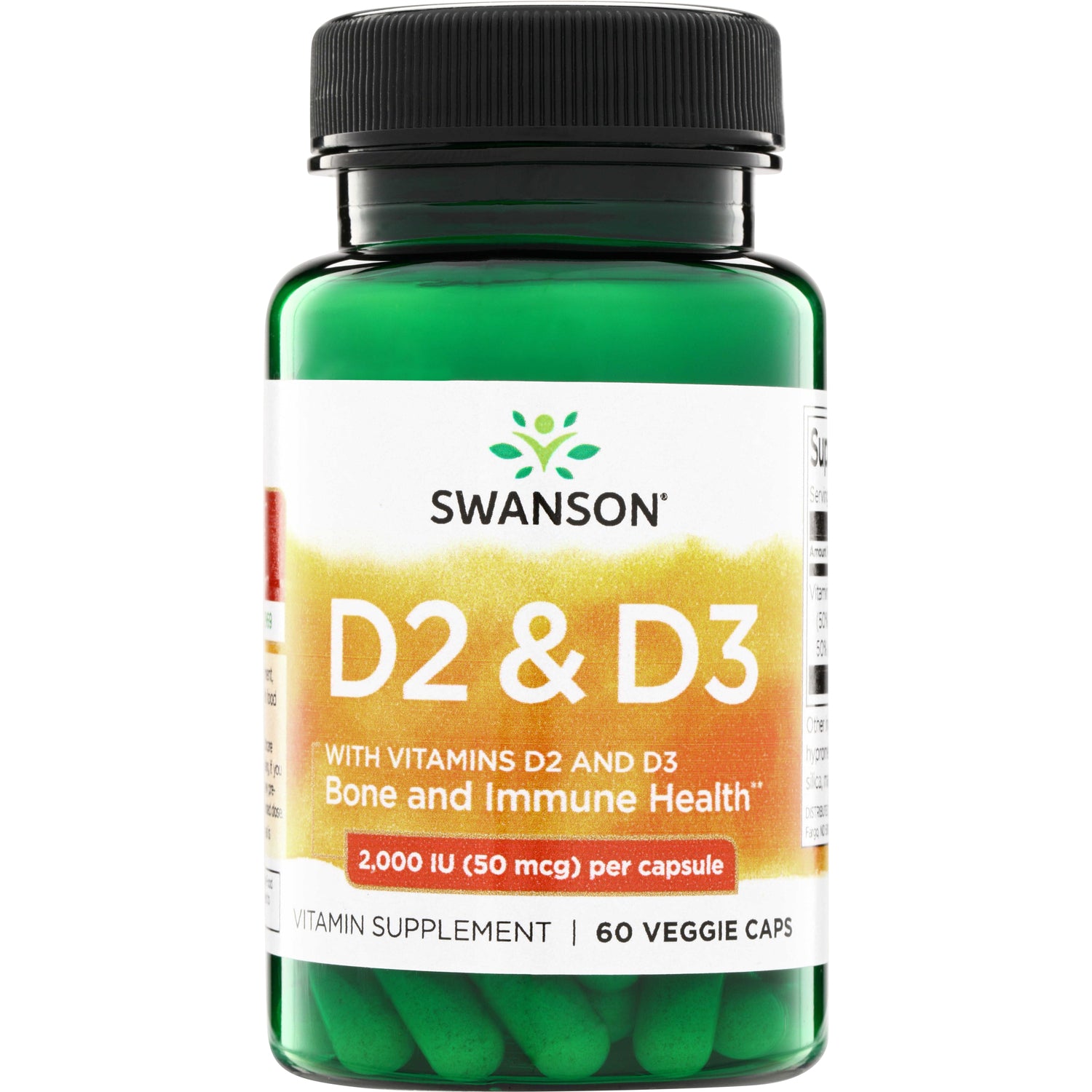
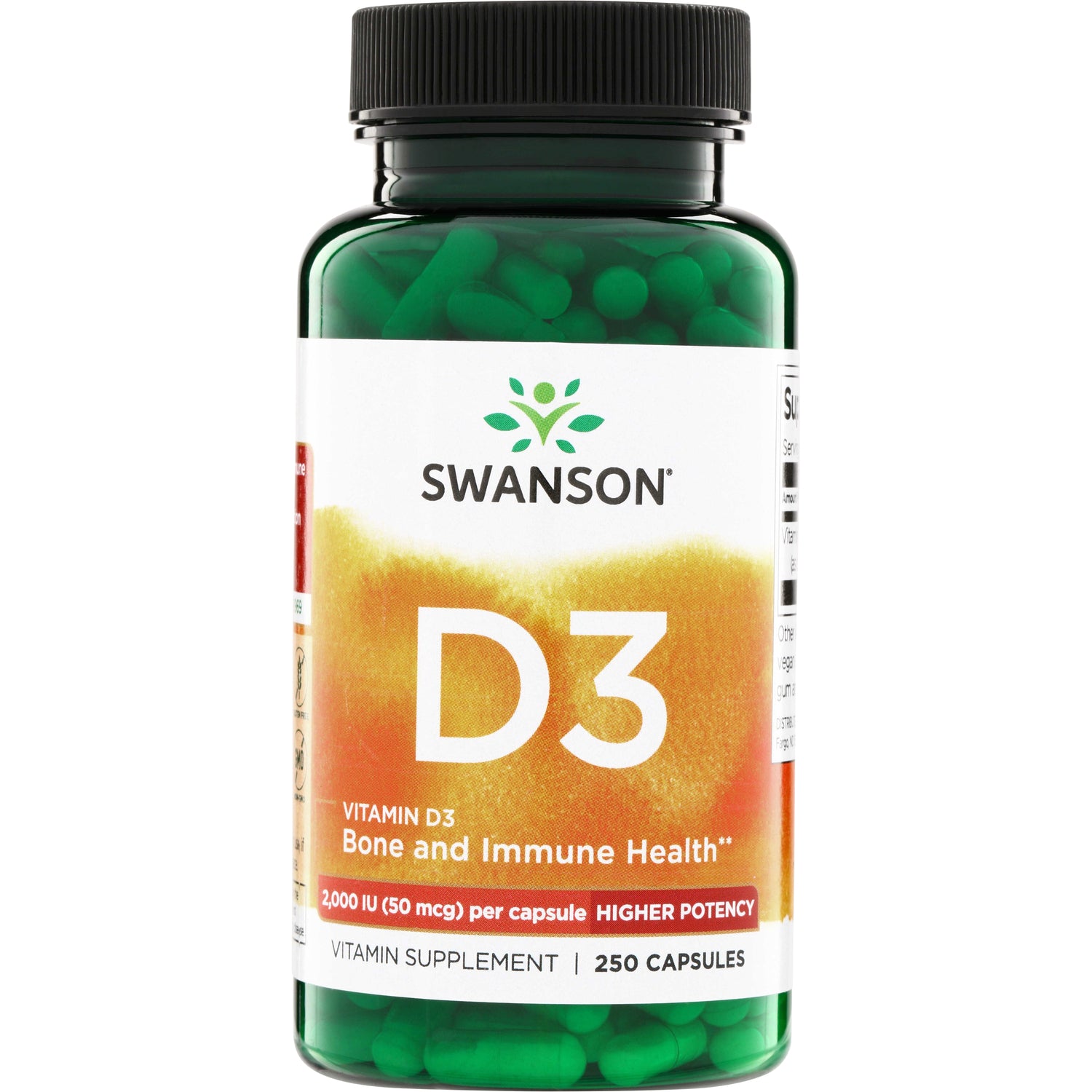
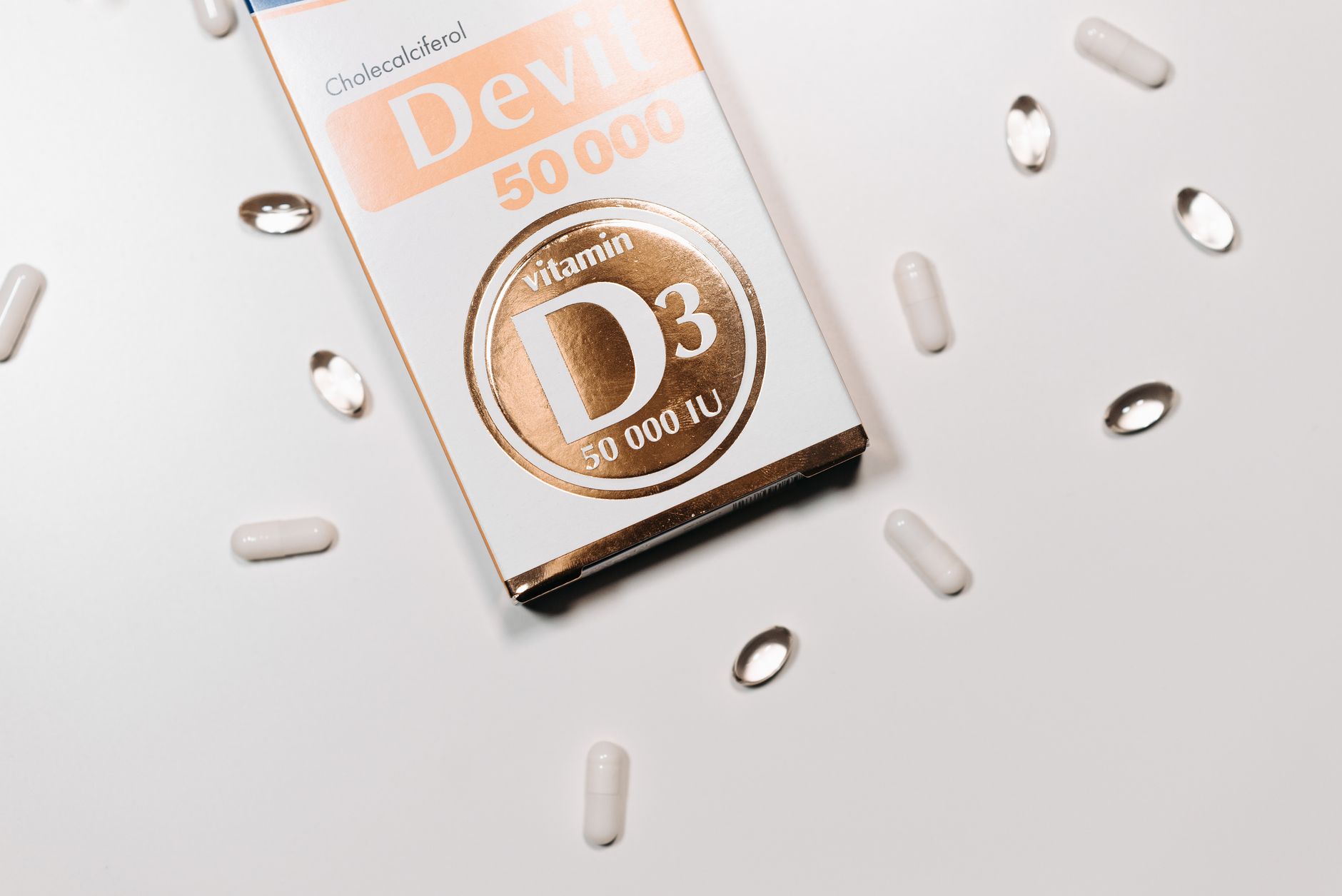
For many readers, a practical approach is to start from the widely used recommended daily intake and adjust only after discussing with a professional. Checking the label of multivitamins or standalone vitamin D supplements can reveal how many IU are in each tablet or drop, which helps align intake with age‑based guidelines. It is also useful to consider other sources: someone who drinks fortified milk every day and eats fish regularly may already be close to the recommended amount, while a person with mainly plant‑based, unfortified foods might rely more heavily on supplements. Keeping a simple record of total daily intake from food and pills over a typical week can make a clinic visit more productive, as doctors or dietitians can better judge whether current habits fit recommended ranges or need adjustment. Throughout, it is important to remember that the article’s information is for general education only, and any change in dose, especially near the upper limit, should be confirmed with a qualified health professional.
Disclaimer and key takeaways
Across major guidelines, most healthy adults fall into a range of 600–800 IU of vitamin D per day, with infants usually at 400 IU and older adults often advised toward the higher end. Upper limits such as 2000 or 4000 IU per day exist to reduce the chance of intake that may be too high for some individuals, especially when multiple supplements are combined. Lifestyle, sun exposure, diet and medical history all influence how much vitamin D a person might reasonably take day to day. Because vitamin D relates to bone health and other important body functions, this topic belongs to the broader field of health information where personal decisions should not rely solely on online content. All figures and examples provided here are for informational purposes and do not replace personalized advice from doctors, pharmacists or nutrition professionals.