Artichoke has moved from Mediterranean restaurant menus into the spotlight of nutrition conversations, especially among people concerned about digestion, bloating, and liver-related markers. Many are curious whether this traditional vegetable and its extracts can support digestive comfort and liver–bile function, and how that compares with everyday dietary habits. This article looks at current research on artichoke, explains its key compounds and mechanisms that have been proposed, and outlines how people commonly use it in food or supplements. All information is for general education and should not replace medical advice; those with existing conditions are encouraged to discuss any changes with a healthcare professional.
Key nutrients and active compounds in artichoke
To understand why artichoke appears in discussions about digestion and liver health, it helps to look at its composition. Artichoke heads contain dietary fiber, especially inulin-type fibers, as well as minerals and small amounts of protein, while the leaves are rich in polyphenols such as chlorogenic acid, cynarin, and various flavonoids. Research has linked these compounds with antioxidant activity and with changes in liver enzymes and blood lipids in human trials, though results vary by dose, extract type, and study design. Inulin functions as a prebiotic fiber, serving as a substrate for beneficial gut bacteria and influencing stool bulk and fermentation in the colon. When people talk about artichoke “formulas” in supplements, they are usually referring to standardized leaf extracts rather than the cooked vegetable on a plate.
How artichoke is studied in relation to digestion
Digestive discomfort such as upper abdominal bloating, nausea, and early satiety is common, and some clinical studies have explored artichoke leaf extract in this context. In trials with adults reporting functional dyspepsia, daily supplementation over several weeks was associated with reduced self-reported symptoms compared with placebo and with improved quality-of-life scores. Researchers suggest that bitter compounds in artichoke may stimulate bile flow and digestive secretions, potentially influencing how fats are handled after meals. Fiber and inulin can also increase stool bulk and change intestinal transit, which many people experience as more regular bowel habits. However, responses are individual, and some sensitive users may notice more gas or discomfort if they increase artichoke or other high-fiber foods too quickly.
Artichoke and liver enzymes, lipids, and bile function
Beyond symptom relief, artichoke leaf extracts have been examined for their relationship with liver enzyme markers and blood lipids. Systematic reviews have summarized trials in which participants with elevated cholesterol or non-alcoholic fatty liver disease took standardized artichoke extracts for periods of around eight weeks or longer. Several of these studies reported reductions in total and LDL cholesterol and modest decreases in liver enzymes such as ALT and AST compared with control groups, suggesting a potential supportive role, especially at doses above several hundred milligrams per day. Proposed mechanisms include antioxidant activity that limits oxidative stress in liver cells and modulation of bile production, which influences how cholesterol and certain metabolites are handled. These findings are still being refined, and more large, long-term trials are needed before drawing firm clinical conclusions.
Possible influence on gut microbiota and metabolic context
Artichoke’s inulin and other fibers may affect digestion not only through stool bulk but also by shaping the gut microbiota. Prebiotic fibers are known to increase certain beneficial bacteria that produce short-chain fatty acids, compounds that can interact with the gut barrier, immune cells, and metabolic pathways. Some observational and interventional work suggests that changes in gut microbiota composition and bile acid metabolism are linked with broader metabolic patterns such as body weight, blood lipids, and insulin sensitivity. Artichoke alone cannot determine these outcomes, but it may contribute as part of a fiber-rich, plant-forward eating pattern. People who rarely eat vegetables or who rely heavily on convenience foods may notice a stronger contrast when they gradually add artichoke alongside other high-fiber options.
Food versus supplements: typical uses and practical tips
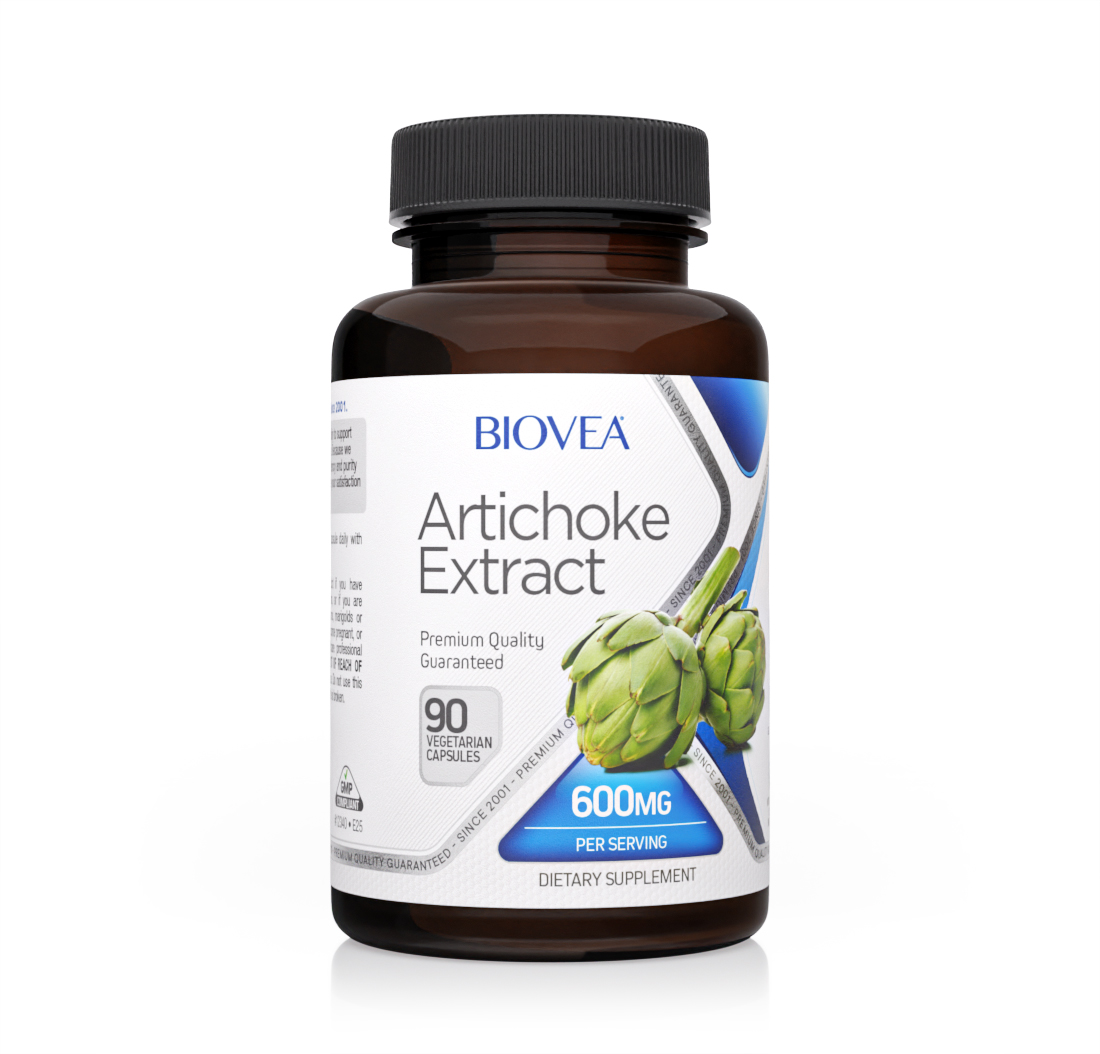
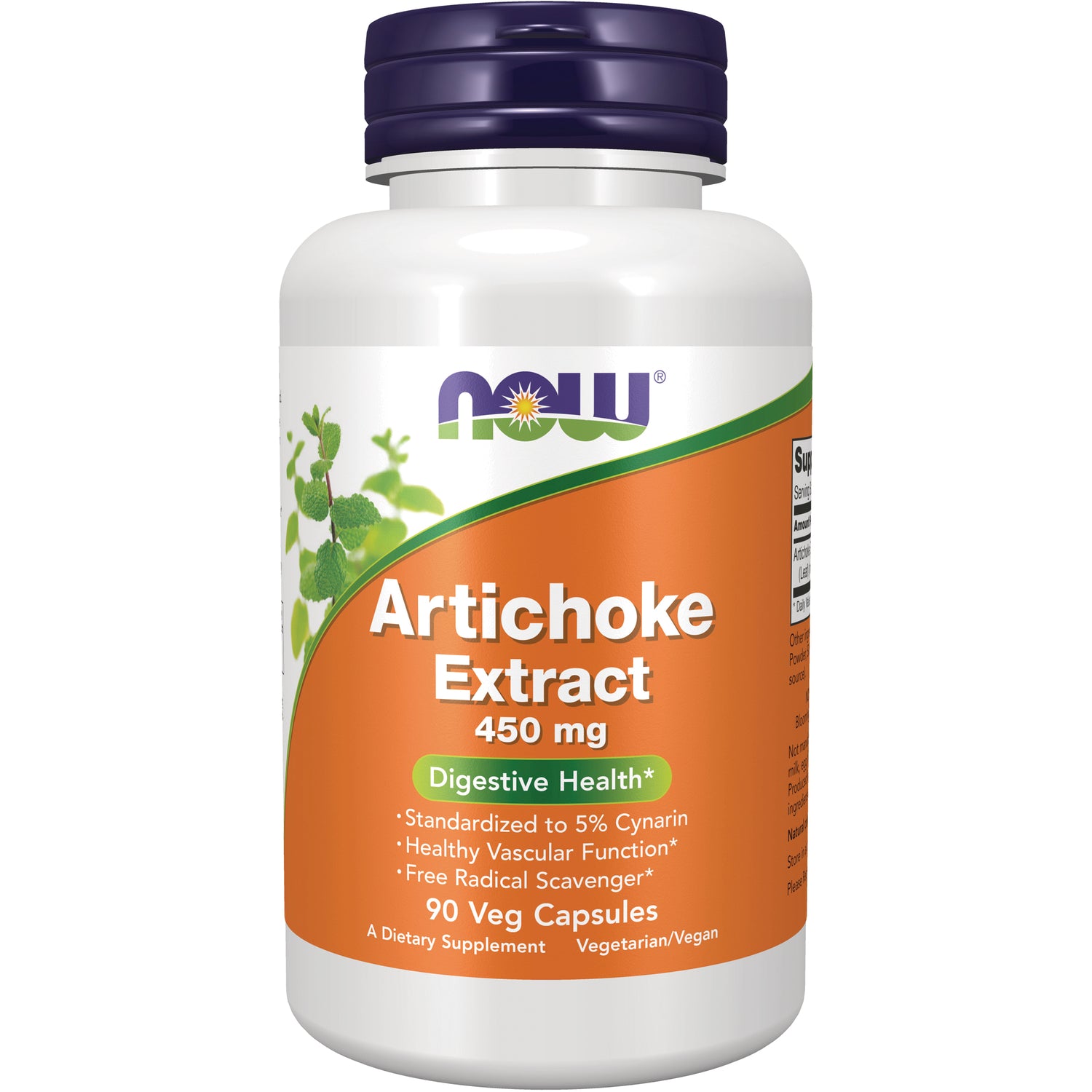
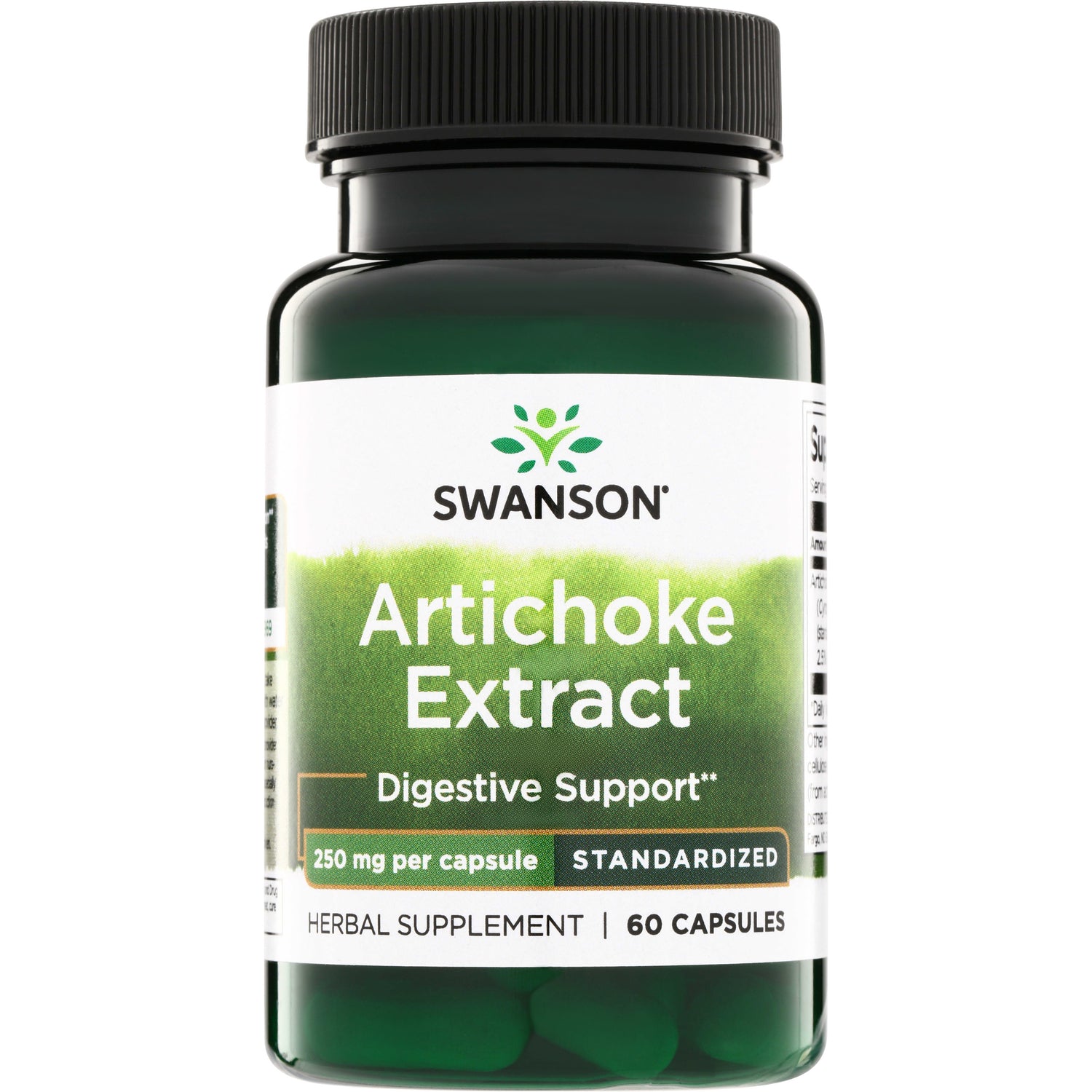
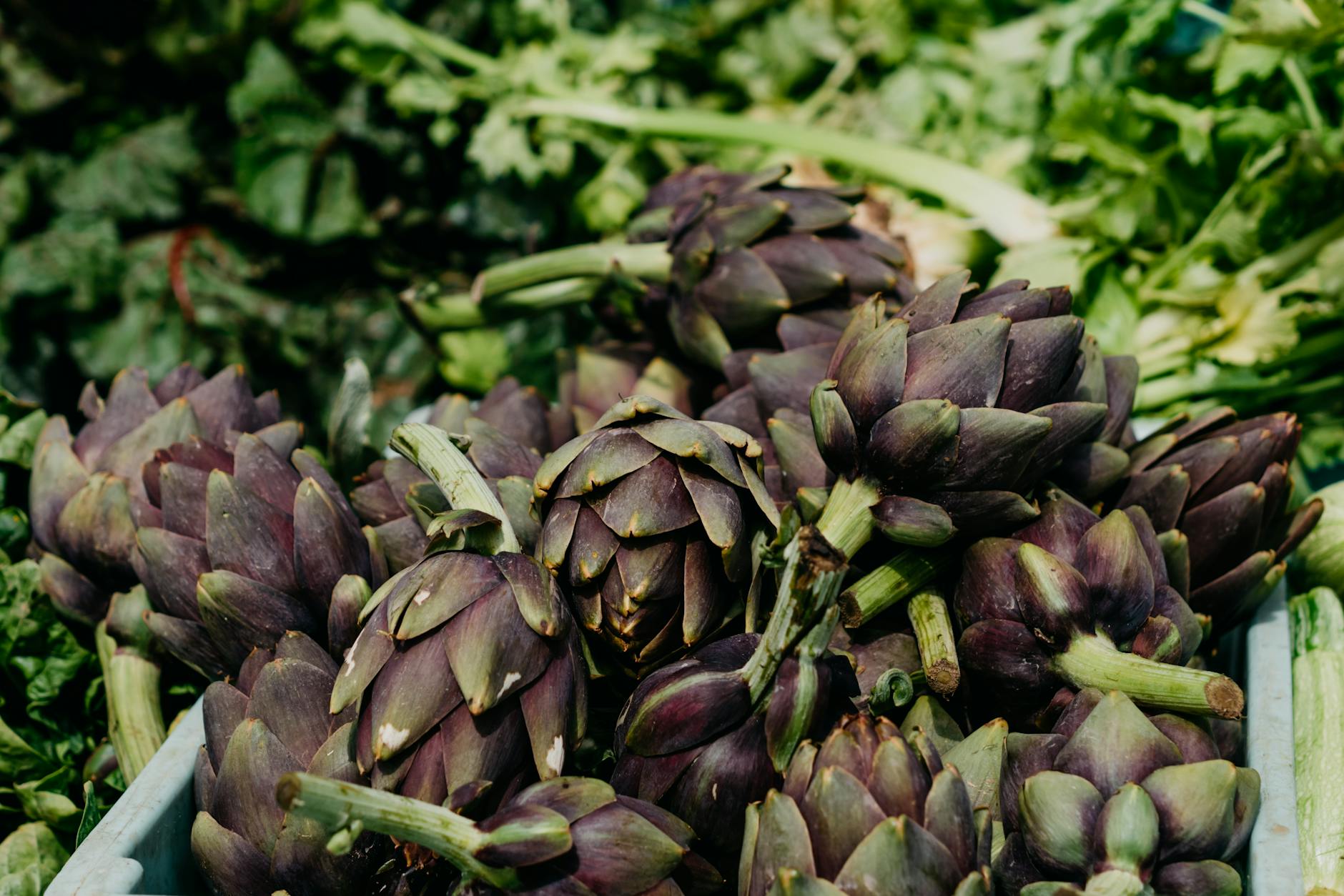
For many, the most accessible way to include artichoke is simply as a vegetable, whether grilled, steamed, added to salads, or incorporated into Mediterranean-style dishes. In this form, it contributes fiber, micronutrients, and culinary variety without requiring special planning, and it can replace more energy-dense side dishes. Supplements use concentrated leaf extracts, often standardized for cynarin or total polyphenols, in capsules or tablets at doses that may reach a few hundred milligrams per day. Because extracts deliver a higher amount of active compounds than a typical serving of cooked artichoke, people considering them are often advised to read labels carefully, note the extract standardization, and avoid assuming that “more is always better.” Consulting a doctor or dietitian is especially important for individuals taking medications or monitoring liver or lipid markers.
Safety notes, sensitive groups, and interactions
Most healthy adults tolerate culinary amounts of artichoke without difficulty, but there are several caution points worth highlighting. Since artichoke and its extracts may influence bile flow, individuals with known bile duct obstruction or gallstones are often advised to seek medical guidance before using concentrated products. People with allergies to plants in the Asteraceae family, which includes artichoke, should be cautious and watch for reactions. Pregnancy, breastfeeding, and childhood are stages where robust safety data for high-dose extracts are limited, so long-term supplemental use in these groups is usually approached conservatively. As with many botanicals, there is also the question of interactions with medications, especially those metabolized in the liver, so professional advice can help evaluate personal risk–benefit considerations.
How artichoke fits into a broader lifestyle approach
Focusing on a single ingredient can be appealing, but digestive comfort and liver–bile health are shaped by a larger pattern of choices. Regular movement, balanced meals with vegetables, fruits, whole grains, and appropriate protein, as well as attention to sleep and alcohol intake, all play substantial roles in how the digestive system and liver work over time. Artichoke—whether eaten as a vegetable or considered in supplement form—can be viewed as one possible component in this broader lifestyle picture rather than a stand-alone solution. Readers who are curious about using artichoke for specific lab results or persistent digestive symptoms are encouraged to discuss current evidence and personal circumstances with healthcare professionals, and to treat this article as general information for reference only, not as a substitute for individual medical guidance.