Many consumers equate high-dose supplements with stronger protection, hoping to cover nutritional gaps in one go. Yet scientific reports and clinical experience increasingly point out that excessive intake may offer limited extra benefit and can introduce new risks, especially for long-term use. Instead of assuming “more is better”, it is more practical to ask whether the dose matches real needs, individual health conditions, and existing diet. This article explores how dose influences safety, what current research suggests, and how readers can discuss supplement plans with professionals. All information is for general reference only and cannot replace medical advice.
High-dose supplements vs. what the body actually needs
Human bodies maintain nutrient balance within a relatively narrow range. Once intake far exceeds daily requirements, the body either excretes the excess or stores it in ways that may bring problems over time. For water-soluble vitamins, many people believe surplus will be flushed out in urine, but limited fluid intake or impaired kidney function can still allow accumulation. Fat-soluble vitamins and certain minerals are even more prone to build up in tissues and organs. Research summaries on dietary supplements and chronic disease repeatedly emphasize that safety and benefit depend on matching dose to physiological demand rather than simply increasing amounts. In practice, appropriate dosage often means staying close to recommended daily intakes unless a professional has clearly advised otherwise.
When “more” becomes a burden on liver and kidneys
The liver and kidneys are responsible for metabolizing and excreting both medications and supplements, so high-dose products naturally increase their workload. Excessive vitamins and minerals must be processed, conjugated, and filtered, adding stress to organs that may already be coping with underlying conditions. Clinical observations show that long-term high-dose intake can be associated with abnormalities in liver enzymes, changes in kidney function tests, or metabolic imbalances such as kidney stones in susceptible individuals. Some reports note that large doses of antioxidant vitamins taken over years are linked with slightly higher overall mortality in certain populations. These findings do not mean that all supplements are dangerous, but they do highlight that escalation of dose should be cautious, monitored, and ideally supervised by a healthcare professional.
High-dose antioxidants and cancer risk research
Antioxidant supplements like vitamins A, C, E and beta-carotene have been marketed for decades as tools to support cellular protection. However, large-scale analyses over more than three decades have suggested a more complex picture. Systematic reviews of randomized trials report that long-term high-dose antioxidant use can be linked with a modest but statistically meaningful increase in mortality in some groups, particularly when certain combinations like beta-carotene with vitamin A or E are involved. Separate cancer-focused reviews have found associations between prolonged or high-dose supplement use and increased incidence or poorer outcomes in specific cancers. Researchers propose mechanisms such as interference with endogenous antioxidant systems or unintended support for existing tumor cells. While findings vary across nutrients and populations, the overall trend urges caution against routinely using very high doses without clear, evidence-based indications.
Why recommended daily intakes matter
Recommended daily intakes were developed to cover the needs of most healthy individuals, with safety margins built in. Staying within these ranges for vitamins and minerals generally minimizes the chance of deficiency while limiting unnecessary excess. Nutrition specialists often encourage choosing moderate-dose, comprehensive multivitamins rather than single-nutrient megadoses, especially for people without documented deficiencies. Observational data indicate that even nutrients often considered “safe”, such as vitamin B6 and vitamin C, can cause problems when taken far above recommended amounts for extended periods, including nerve issues or kidney stones in some cases. Reading labels carefully is essential: products labelled as “mega” or “high strength” may deliver dozens of times the daily recommendation per serving. Before adopting such doses, discussing personal health status and lab results with a physician or dietitian is advisable.
Interactions with medications and existing conditions
Supplements can interact with prescription drugs, over-the-counter medicines, and underlying medical conditions, and high doses tend to amplify these interactions. Certain minerals can interfere with absorption of antibiotics or thyroid medications, while large amounts of antioxidants may affect the way chemotherapy or radiotherapy works. Some cardiovascular or diabetes drugs also share metabolic pathways with common supplement ingredients, potentially altering drug levels or side-effect profiles. Case reports and pharmacological studies have documented clinically meaningful consequences, from reduced treatment effectiveness to unexpected adverse events. Because labels rarely list all possible interactions, people taking long-term medication, those with chronic illnesses, older adults, and pregnant individuals are strongly encouraged to consult their clinicians or pharmacists before starting or increasing any supplement, particularly high-dose products.
Who might need higher doses, and under what supervision
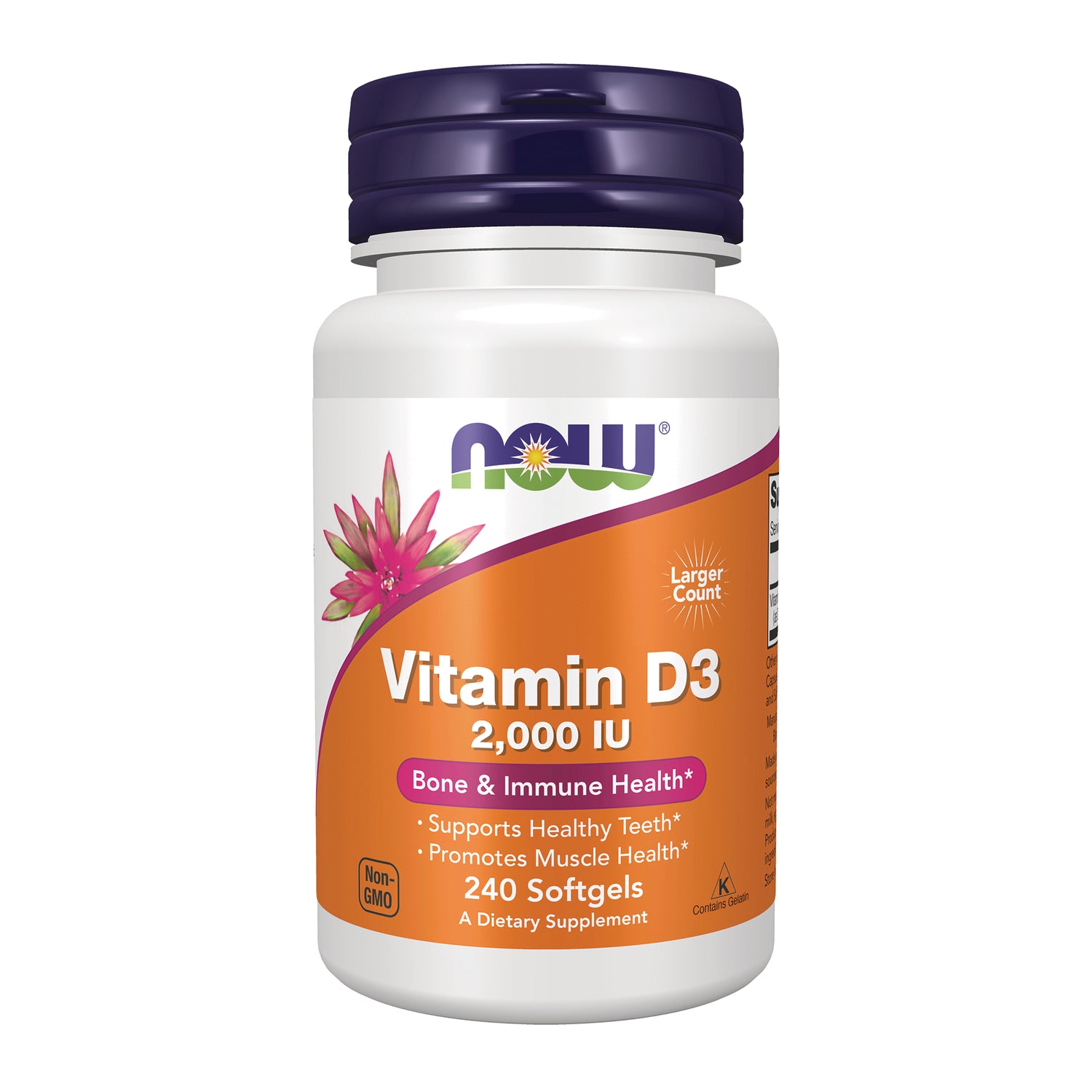
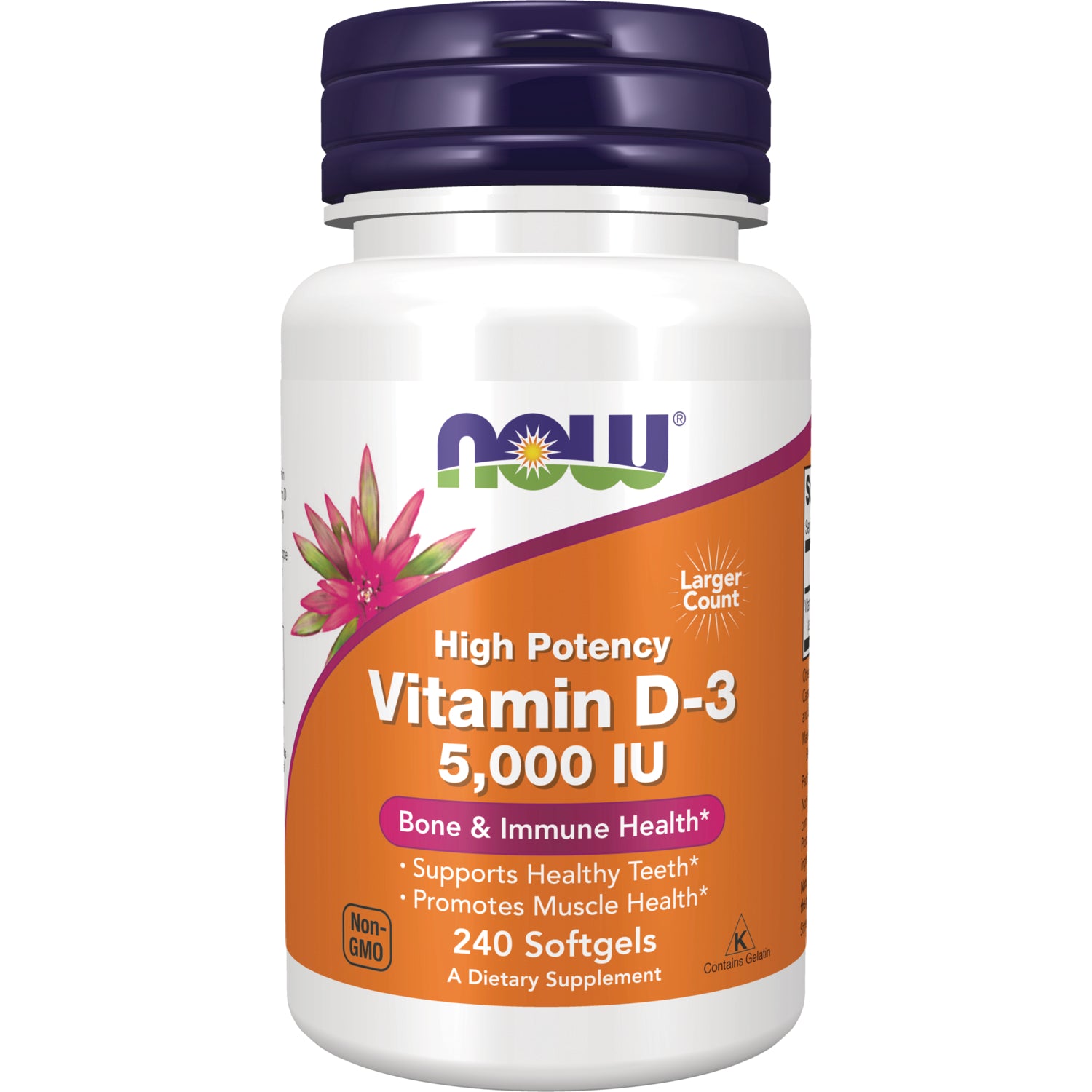
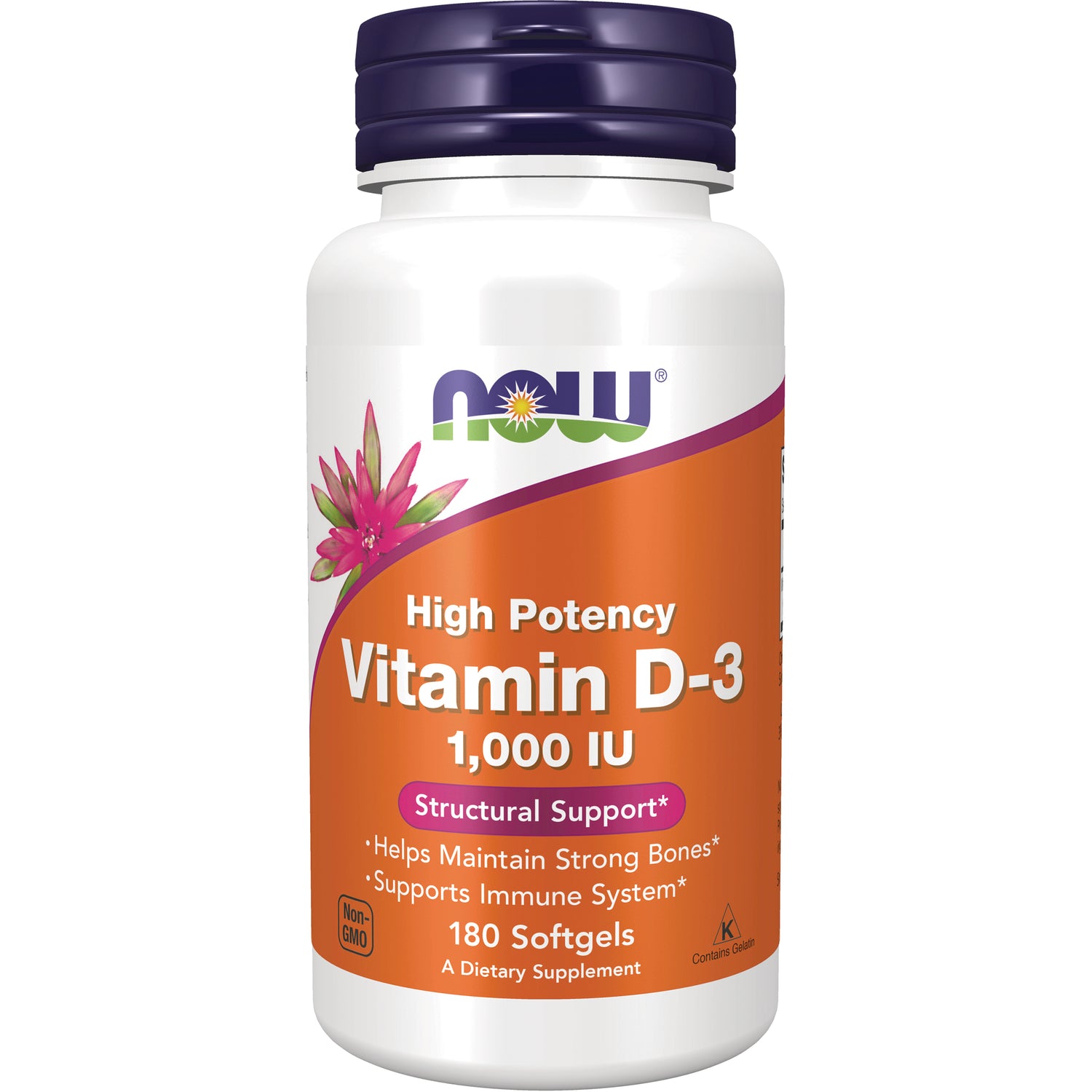
There are situations where higher-dose supplementation is considered, but these typically involve specific deficiencies or medical indications confirmed by testing. Examples include targeted iron for iron-deficiency anemia, vitamin D for documented low serum levels, or certain minerals for hair loss linked to insufficiency. In these cases, professionals adjust dose based on age, sex, body weight, lab markers, and coexisting conditions, and monitor response over time. Importantly, even medically indicated higher doses are usually limited to defined treatment periods rather than indefinite use. Once lab values and symptoms improve, doses are commonly reduced to maintenance ranges or transitioned to diet-focused strategies. This approach illustrates that high-dose supplementation is a therapeutic tool, not a general wellness shortcut, and should be used with clear goals and follow-up rather than as a routine habit.
Practical guidelines: how to judge if a dose is suitable
When evaluating a supplement, readers can start by checking whether the product stays reasonably close to daily recommendations rather than offering extreme amounts. Comparing the label to standard intake tables helps identify ingredients that stand out as unusually high. It is also helpful to review whether multiple products repeat the same nutrients, unintentionally multiplying total dose. Choosing formulations with transparent ingredient lists and avoiding unnecessary additives supports safer long-term use. For people with existing conditions, a short conversation with a healthcare professional can clarify whether any ingredient or dose conflicts with current therapy plans. Finally, remembering that balanced eating, regular movement, sleep, and stress management remain central pillars of health can keep supplements in perspective: they are tools for specific situations, not replacements for overall lifestyle. All advice in this article is intended for educational purposes only; readers should seek personalized guidance from qualified professionals for their own health decisions.