Frequent late dinners, business drinking, irregular sleep, and rushed meals can make men look for liver-care nutrition products. The first principle is to separate daily lifestyle management from supplement selection: no capsule can cancel the potential effects of alcohol, sleep deprivation, or an existing liver condition. The CDC notes that the liver can process only small amounts of alcohol, while NIDDK advises people with cirrhosis to discuss dietary and herbal supplements with a doctor. A responsible buying guide therefore starts with alcohol patterns, symptoms, current medicines, and the clarity of the product label rather than with promises about “detox” or instant recovery. If jaundice, dark urine, persistent nausea, unusual fatigue, abdominal swelling, confusion, or other concerning changes appear, medical evaluation should come before any supplement decision.
Start with the real source of concern
“Staying up late” and “protecting the liver” are often discussed as if they were the same problem, but they involve different factors. Alcohol exposure, meal patterns, body weight, physical activity, sleep quality, medication use, and existing hepatitis or fatty liver can all matter. A man who attends occasional dinners but rarely drinks has a different situation from someone who drinks several nights each week, takes pain relievers without review, and sleeps four or five hours. Before comparing products, readers can record the frequency of social drinking, typical bedtime, morning symptoms, and all medicines or supplements used. This simple inventory helps identify questions for a clinician and prevents a supplement from becoming a substitute for testing, diagnosis, or treatment. People with known liver disease should ask a healthcare professional before using herbal products or dietary supplements, because ingredients may not be suitable for every condition.
How to assess a supplement label
A useful label should make the product identity, serving size, ingredient list, and suggested use easy to find. Buyers should distinguish the amount per capsule from the amount per daily serving, especially when the label recommends more than one capsule. Multi-ingredient formulas also deserve extra attention: a longer list does not automatically mean better suitability, and similar botanicals may appear across several products. Check for duplicated ingredients when combining supplements, keep a record for a doctor or pharmacist, and follow the package directions rather than improvising a higher intake. The American Association for the Study of Liver Diseases recognizes that medicines, herbal products, and dietary supplements can be associated with liver injury, so “natural” should not be treated as synonymous with risk-free. For anyone with abnormal liver tests, cirrhosis, pregnancy, chronic illness, or regular prescription use, professional review is especially appropriate.
What the two examples actually contain
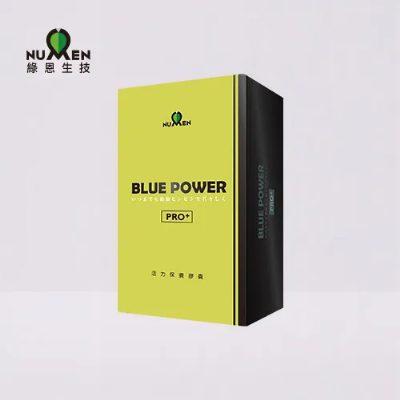
綠恩Blue Power活力膠囊 is described as a men’s vitality supplement containing ashwagandha, Peruvian maca extract, Rhodiola rosea extract, Cordyceps mycelium, Cistanche tubulosa, Turnera leaf extract, Cnidium monnieri extract, L-arginine, green tea extract, and yeast zinc. Each capsule is listed as 500 mg, with 30 capsules per box, and the stated use is twice daily, one capsule each time, with an intensified option of two capsules. The product description also identifies development involving Dr. Liu Shao-Yi and Japan GMP Taiyo Kagaku Co., Ltd. These details describe the formula and intended positioning only; they should not be interpreted as proof that the product treats liver disease or offsets alcohol. Anyone considering it should compare the full package label with current medicines and disclose use during a medical consultation.
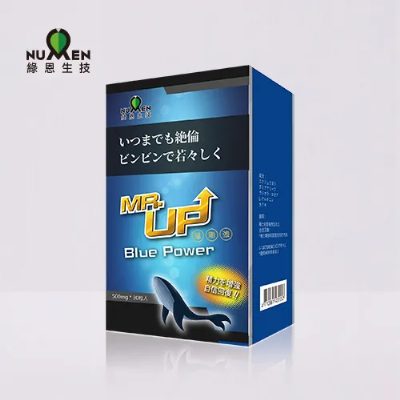
藍牌 日本全新升級藍鯨雄起膠囊 is described as containing green tea extract, Cordyceps mycelium, Peruvian organic maca extract, Cistanche tubulosa, Rhodiola rosea extract, Turnera leaf extract, Cnidium monnieri extract, L-arginine, and yeast zinc. The listed size is 500 mg per capsule and 30 capsules per box, with a stated routine of one capsule twice daily and an intensified option of two capsules; the description also mentions taking it with water at breakfast or lunch. Its positioning is for busy men and people facing demanding social or work settings. As with any multi-ingredient product, readers should verify the current packaging and ask a pharmacist or doctor about suitability, particularly when liver tests are abnormal or prescription medicines are involved.
Common myths about “liver protection”
The most common misconception is that a supplement can make heavy drinking harmless. NIDDK guidance for alcohol-associated liver disease recommends complete abstinence, and general liver-care decisions should not be reduced to taking a capsule before or after a dinner. Another myth is that a strong taste, darker color, or large botanical list proves effectiveness. Those features are not reliable measures of safety or clinical value. A third misconception is that a product marketed for male vitality is automatically a liver-care product; these are different categories with different questions. A sensible approach is to view the two products above as examples of formulas positioned around men’s vitality, then separately address alcohol intake, sleep, nutrition, and medical assessment. If symptoms appear or liver blood tests are elevated, stopping self-experimentation and seeking professional advice is safer than adding more products.
Choose by situation, not by the loudest claim
For an occasional socializer, the priority may be a clear ingredient list, a manageable routine, and avoiding unnecessary combinations. For a frequent business diner, the priority should be an honest review of alcohol frequency, sleep debt, hydration, meal balance, and whether a clinician has checked liver-related tests. For someone already using several supplements, the most useful next step may be creating a complete list before selecting another formula. Between the two examples, a reader can compare the stated ingredients, serving instructions, format, and personal tolerance without assuming that either product treats a disease. Men with diagnosed liver disease, hepatitis, cirrhosis, unexplained fatigue, jaundice, or abnormal laboratory results should consult a doctor before use. Supplement selection belongs after medical safety, not before it.
A practical checklist before purchase
A careful decision can be organized into a few questions: Is the product’s purpose clearly understood? Are all ingredients and amounts readable on the package? Does the suggested serving match the buyer’s routine? Are there medicines, alcohol-use concerns, chronic conditions, or previous reactions that need professional review? Is the buyer expecting disease treatment from a general nutrition product? Keeping the answers in writing makes comparisons more objective and gives healthcare professionals useful context. It is also wise to introduce only one new supplement at a time, avoid exceeding the stated serving, and stop seeking advice online if concerning symptoms develop. Better liver care still rests on practical habits such as limiting or avoiding alcohol when medically indicated, regular meals, adequate sleep, and timely evaluation. A product may fit one person’s routine, but suitability cannot be inferred from another person’s experience.
This article provides general health education information for reference only. It is not a substitute for professional medical diagnosis or treatment. If you have related symptoms or concerns, please consult your physician or seek medical care.