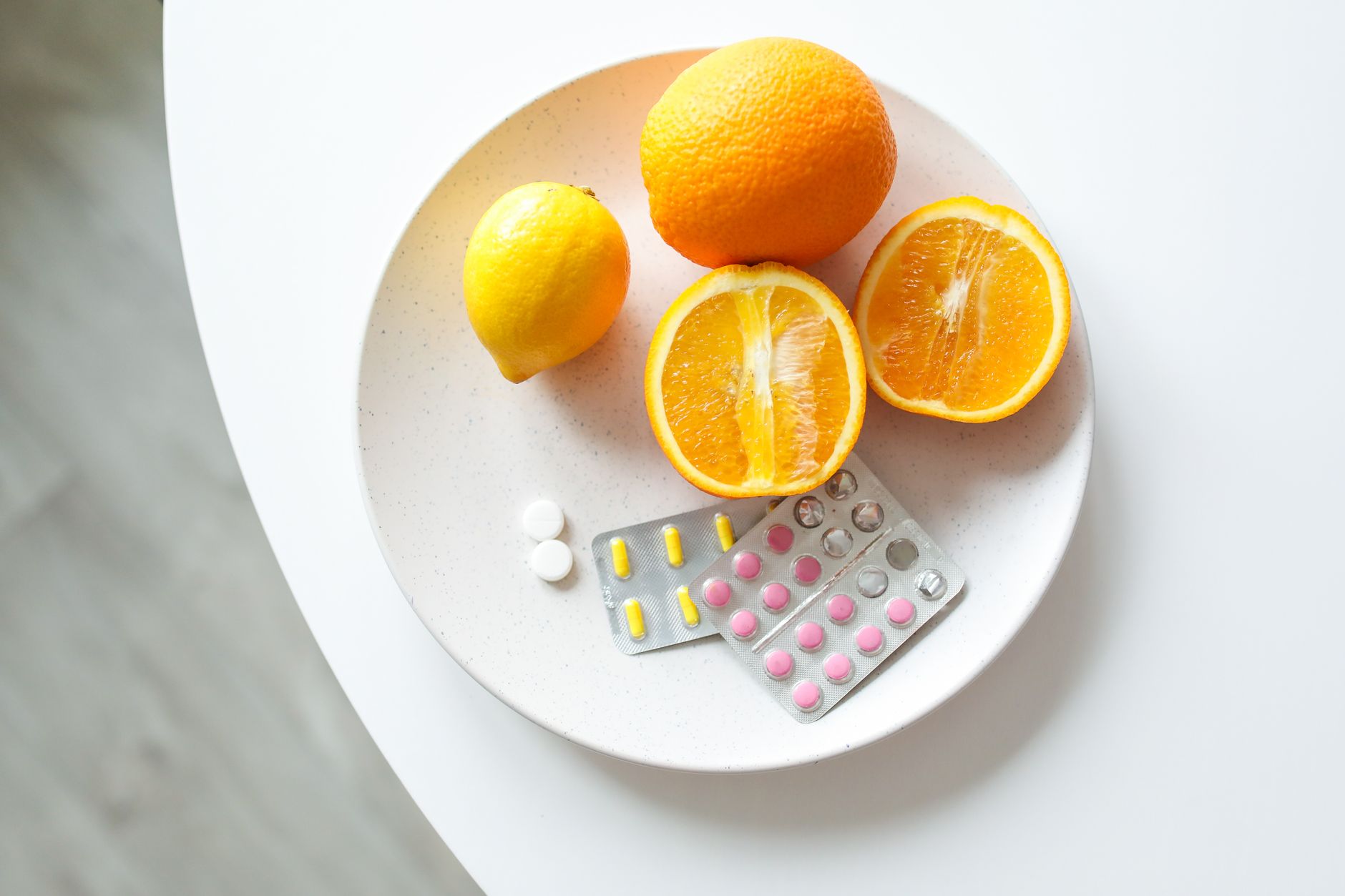
Vitamin C is one of the most familiar nutrients to many people, often linked with immune support and antioxidant functions. As a result, it is common for health-conscious individuals to reach for high-dose tablets or effervescent drinks, especially during busy or stressful periods. However, expert recommendations indicate that intake above the tolerable upper limit may increase the likelihood of digestive discomfort and other issues, particularly when tablets are taken in large amounts over time. This article looks at how the body handles high-dose vitamin C, what potential burdens may arise, and how to think about dosage from an evidence-informed perspective.
Recommended intake and upper limits
Before discussing possible burdens, it helps to understand typical recommended amounts. Many national guidelines suggest an average adult needs around 75–100 mg of vitamin C per day from food, while the tolerable upper intake level is commonly set at 2,000 mg per day for adults to reduce the chance of side effects. These figures are based on research examining absorption, excretion, and safety in healthy populations, and they highlight that more is not always better. When intake stays within the recommended range and comes mainly from fruits and vegetables, excess vitamin C is usually excreted in urine without noticeable problems. The concern mainly appears when supplements are used at high doses, such as 1,000 mg tablets taken several times daily, for long periods without medical supervision.
How the body processes large amounts of vitamin C
Vitamin C is a water-soluble vitamin, meaning the body does not store large amounts for long periods, and unused portions are typically excreted. At relatively moderate doses, absorption is efficient, but as intake climbs toward gram levels, the absorption rate falls and more unabsorbed vitamin C remains in the digestive tract. This can increase osmotic pressure in the intestines, drawing water into the bowel and potentially leading to loose stools or diarrhea. At the same time, metabolism of vitamin C produces compounds such as oxalate, which appear in urine. In some situations, high and persistent intake can increase urinary oxalate levels, raising questions about kidney stone risk in susceptible individuals. The body has protective mechanisms, but they can be challenged when intake is repeatedly pushed far above recommended limits.
Digestive discomfort and everyday symptoms
One of the most commonly reported burdens of high-dose vitamin C is digestive discomfort. People who take large tablets on an empty stomach sometimes notice nausea, stomach cramping, or heartburn, likely due to both the acidity of the compound and the high concentration in the gut. When doses reach several grams per day, some individuals experience diarrhea or urgency, which can interfere with daily activities and may be mistaken for other digestive disorders. These effects do not occur in everyone and can vary depending on overall gut health, meal timing, and the specific supplement form. Nevertheless, they illustrate that the digestive system is often the first place where excessive intake becomes noticeable, and they are a key reason why many guidelines advise staying within the upper limit unless a healthcare professional has suggested otherwise.
Kidney stone considerations and individual risk
Another area of concern related to high-dose vitamin C is kidney stone risk, especially in people with a personal or family history of stones. During metabolism, vitamin C can be converted to oxalate, which may combine with calcium in urine to form calcium oxalate crystals. Some observational studies have reported higher rates of kidney stones among individuals who regularly use gram-level vitamin C supplements, particularly men, although findings are not identical across all research. It is important to note that risk is influenced by multiple factors, including hydration, genetic predisposition, existing kidney conditions, and overall dietary pattern. For healthy adults who occasionally use higher doses for short periods, the impact may be limited, but those with stone history or chronic kidney disease are often advised to discuss vitamin C dosage with a physician before using large supplements.
Interaction with iron and other nutrients
High-dose vitamin C can also influence how the body handles other nutrients. One well-known effect is its ability to enhance non-heme iron absorption from plant-based foods and supplements. At moderate doses, this is often useful for people at risk of iron deficiency, such as those following vegetarian or vegan diets. However, at very high intakes, especially when combined with iron tablets, there is a theoretical concern that some individuals prone to iron overload might absorb more iron than they need. Conditions such as hereditary hemochromatosis or specific forms of thalassemia are examples where iron management is already delicate, and practitioners may monitor vitamin C intake more closely. This interplay highlights that high-dose supplementation should not be viewed in isolation but as part of an overall nutrient and health picture.
Food sources versus supplement megadoses
In everyday life, most people obtain vitamin C through foods like citrus fruits, berries, kiwifruit, bell peppers, and leafy greens. These sources generally provide moderate amounts along with fiber and other beneficial compounds, and they rarely lead to excessive intake, because absorption and excretion keep levels balanced. In contrast, megadose supplements can deliver the equivalent of several days’ worth of vitamin C at once, without the moderating effect of whole foods. For many healthy adults, using a standard-dose supplement within recommended limits may be reasonable when diet is lacking in fresh produce, but relying on very high doses with the hope of dramatic benefits is not supported by most expert organisations. Instead, guidance tends to emphasize a varied diet and cautious, informed use of supplements, particularly for those with existing medical conditions.
Practical guidelines and when to seek advice
From a practical standpoint, people considering high-dose vitamin C can start by reviewing their habitual diet and reasons for supplementation. If fresh fruits and vegetables are present daily, the baseline intake may already be close to or above the recommended amount. When supplements are used, staying at or below the established upper limit of 2,000 mg per day for adults is often suggested to reduce the chance of discomfort. Those experiencing recurring digestive symptoms, urinary changes, or who have a history of kidney stones or specific blood disorders should be cautious about self-prescribing gram-level doses. Health information in this article is for general education only and does not replace personalized medical advice. Individuals are encouraged to consult doctors, dietitians, or pharmacists before long-term use of high-dose vitamin C, especially if they have chronic health conditions, take other medications, or are unsure about appropriate dosage.
Summary: thinking critically about dosage
Overall, vitamin C remains an important nutrient that supports normal body functions, but more is not automatically better, and excessive doses can create burdens in some circumstances. Digestive upset, potential kidney stone risk in susceptible groups, and interactions with iron metabolism are among the main issues discussed in scientific and clinical literature. For most people, meeting daily needs through a balanced diet and, if needed, modest supplements is considered a practical approach. The core message is to treat high-dose vitamin C as a decision that benefits from critical thinking and professional input, rather than as a simple shortcut to better health. Readers who have questions about their own situation are advised to use this information as a starting point and to seek guidance from qualified healthcare professionals for decisions about supplements and long-term intake.