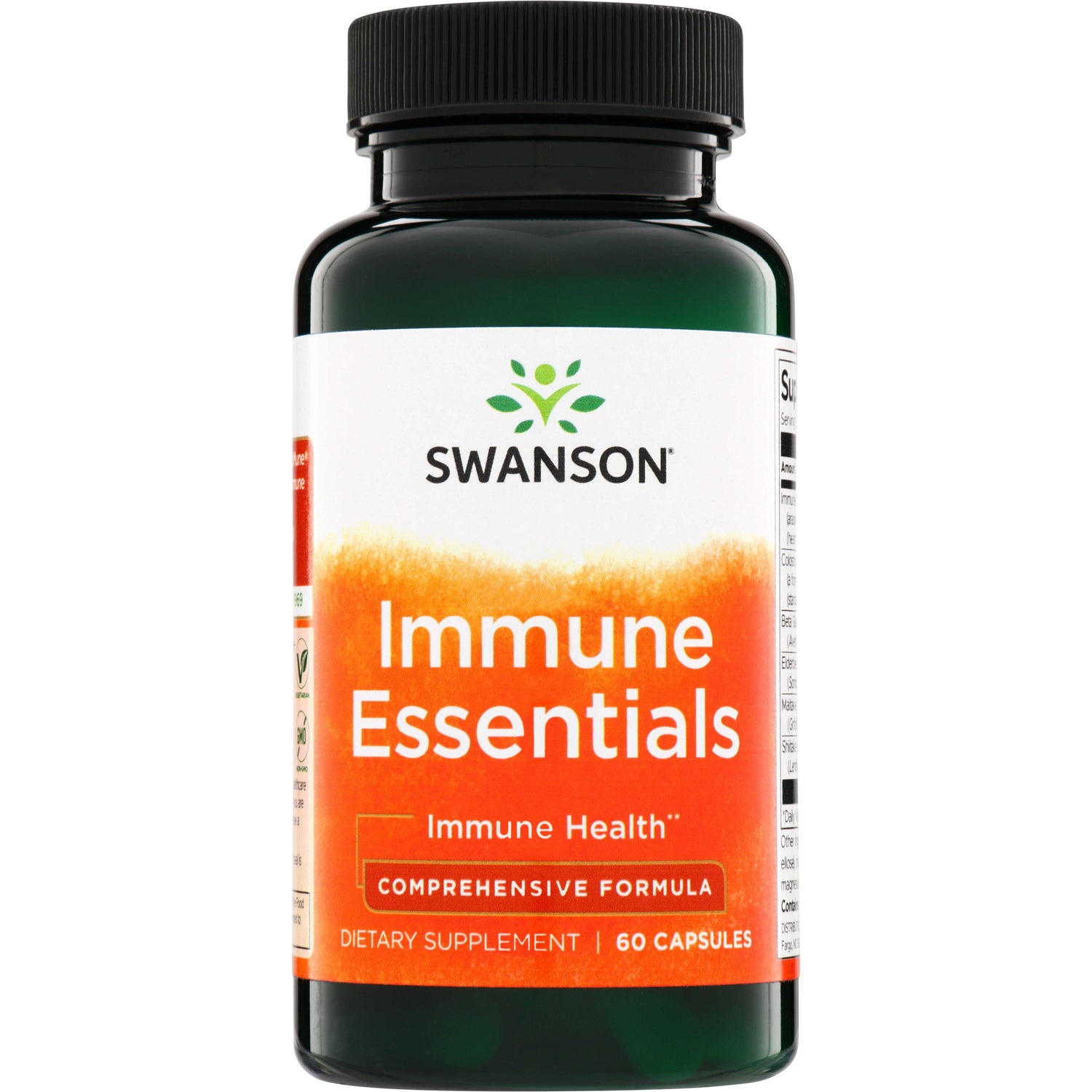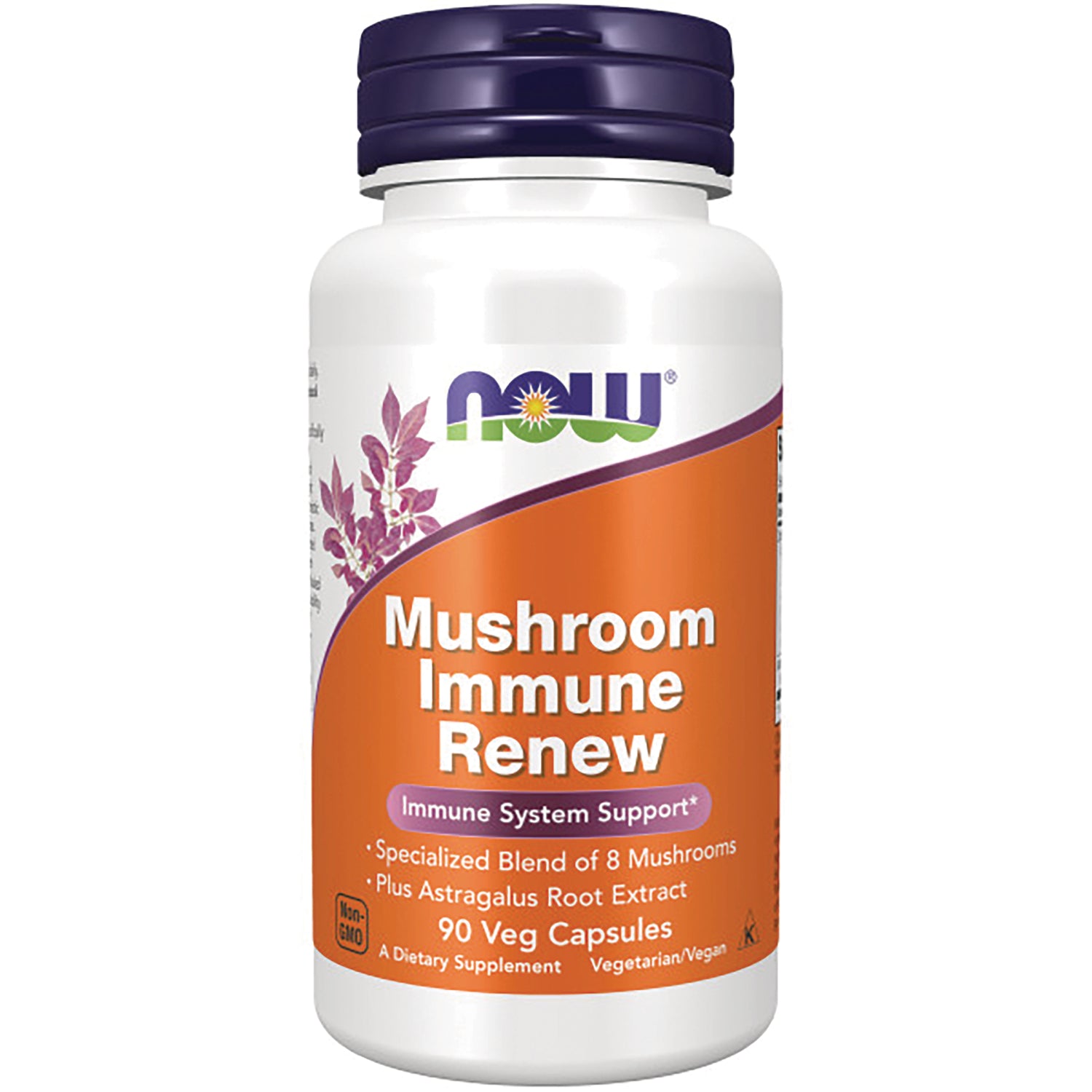
The phrase “boost your immune system” sounds appealing, but it can create the wrong expectation. The immune system is not a simple strength meter that should be pushed as high as possible. It is a complex network that identifies potential threats, coordinates responses, remembers some exposures, and then returns toward a calmer state. A response that is too weak may leave the body less prepared for infection, while an excessive or misdirected response can contribute to allergic reactions, inflammation, or autoimmune problems. For everyday health decisions, the more useful goal is immune balance: supporting normal body functions without chasing dramatic claims or extreme routines.
What immune balance actually means
Immune balance describes the ability to respond when a genuine threat appears while avoiding unnecessary or prolonged activation. This process involves immune cells, antibodies, barriers such as the skin and respiratory tract, and communication between organs and tissues. The concept does not mean that a person can measure “balance” from a single symptom, nor does it provide a diagnosis. Feeling tired, catching a cold, or having seasonal allergies can have many possible explanations, so online content should not replace an assessment by a qualified clinician. A balanced approach also recognizes that immune responses vary with age, genetics, existing conditions, medications, sleep, nutrition, and exposure to pathogens. The aim is not to force the system in one direction, but to create daily conditions that support ordinary physiology.
Why stronger is not always better
A stronger response is not automatically a better response. In allergies, the immune system reacts to substances that are usually harmless, such as pollen or dust-mite particles. In autoimmune conditions, immune activity can become directed toward the body’s own tissues. These examples do not mean that ordinary supplements or foods cause autoimmune disease, but they show why vague promises about “supercharging” immunity deserve caution. People should also be careful with marketing that presents frequent illness as proof of a weak immune system or promises instant protection from a single ingredient. Immune function is multidimensional, and no beverage, powder, or capsule can replace vaccination where recommended, medical care when needed, or sensible infection-control habits.
Daily habits that support normal function
The basics remain more practical than dramatic interventions. The Centers for Disease Control and Prevention highlights adequate sleep, nutritious eating, physical activity, avoiding tobacco, and limiting excessive alcohol as parts of a healthy routine. For many adults, sleep needs are at least seven hours per night, although individual requirements vary. Meals can include protein sources such as beans, eggs, fish, poultry, or tofu, along with vegetables, fruit, whole grains, and unsaturated fats. A busy office worker might begin with a regular bedtime, add a vegetable to lunch, and take a brisk walk rather than attempting a restrictive “immune reset.” These steps are not instant remedies; they are repeatable habits that support broader health and give the body resources for ordinary immune processes.
- Keep a reasonably consistent sleep and wake schedule.
- Build meals around varied, minimally processed foods.
- Choose physical activity that fits current ability and medical circumstances.
- Avoid smoking and discuss alcohol intake with a clinician if it is difficult to moderate.
Food and supplements: avoid the more-is-better trap
Nutrients such as vitamins A, C, D, E, zinc, and selenium have roles in normal immune function, and deficiencies can affect health. That does not mean taking large doses will make an already well-nourished person more protected. The NIH Office of Dietary Supplements notes that excessive amounts of some vitamins and minerals can cause harm, and supplements may interact with prescription or over-the-counter medicines. For example, high amounts of vitamin C can cause digestive symptoms, while excess zinc may create problems and interfere with copper status. A safer process is to review the whole diet, identify a confirmed or likely deficiency with professional guidance, and check the product label before combining multiple formulas. Pregnancy, childhood, chronic disease, surgery, and regular medication use all warrant extra caution.
How to evaluate immune-health claims
A useful claim should explain what ingredient or behavior is being discussed, what evidence supports it, who was studied, and what limits apply. “Supports normal immune function” is narrower than “prevents every infection,” and neither phrase should be interpreted as a promise of treatment. Readers can look for information from public-health agencies, medical organizations, or product labels that clearly identify amounts and warnings. Testimonials and before-and-after stories may describe personal experiences, but they cannot establish that an intervention works for everyone. Claims based on a single laboratory finding also may not translate into meaningful outcomes in daily life. When a product promises rapid results, combines many high-dose ingredients, or discourages medical care, the safest response is to pause and seek professional advice.
A balanced routine in real life
Balance is easier to apply when translated into ordinary decisions. During a demanding workweek, a person might prioritize a regular meal, a short outdoor walk, and earlier screen-free time instead of trying several new supplements at once. During travel or respiratory-illness seasons, hand hygiene, staying home when sick, ventilation, and recommended vaccinations may be more relevant than an “immune booster.” Someone with recurrent infections, unexplained weight change, persistent fever, unusual fatigue, or symptoms of allergy or autoimmunity should seek medical evaluation rather than self-diagnose. Health information is provided for general reference only; personal decisions about supplements, medication, vaccination, or persistent symptoms should be discussed with a doctor, pharmacist, or other qualified professional.
The most reliable immune-health strategy is not a race toward maximum activation. It is a steady pattern of sleep, varied nutrition, appropriate movement, tobacco avoidance, sensible alcohol choices, recommended preventive care, and timely medical attention. This perspective also makes health advice easier to judge: useful guidance respects the complexity of the immune system and avoids absolute promises. Supporting the body means giving it consistent conditions for normal function, not treating every symptom as evidence that more stimulation is needed.
The information in this article is for reference only and does not constitute professional advice. For specific decisions, please consult a relevant professional based on your personal situation.