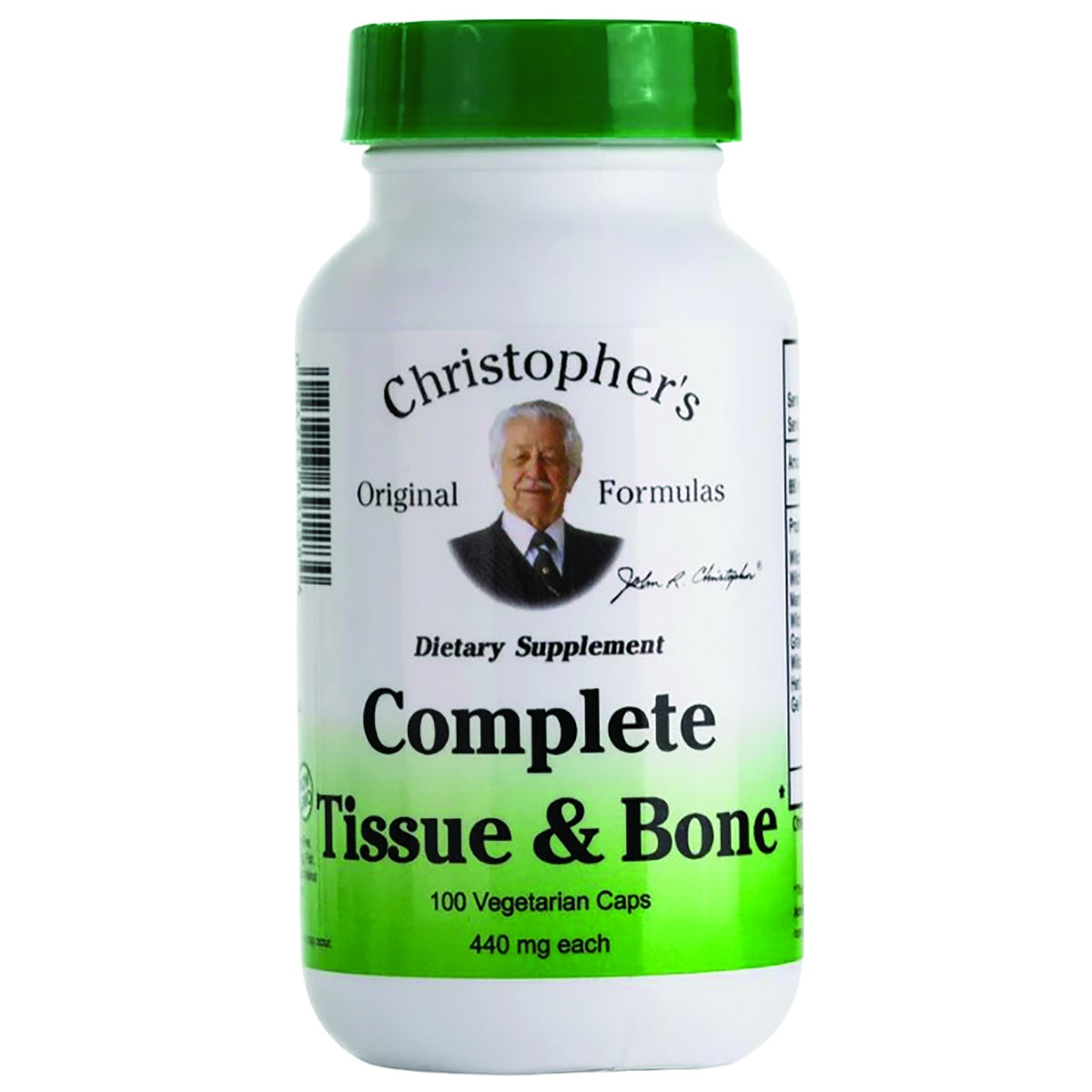
Healthy people and supplements: what the question really asks
Many people who feel fine still wonder whether supplements belong in a normal routine. The honest answer is that a healthy appearance does not always reveal diet gaps, lifestyle strain, or low nutrient intake, but it also does not automatically mean a supplement is needed. For most adults, the first place to look is the overall pattern of food, sleep, stress, activity, and any medical conditions that may affect absorption or appetite.
Supplements are best treated as a targeted tool rather than a default habit. Some people take them because a clinician identified a deficiency, others because their diet is limited, and some because life stage or dietary choice makes it harder to meet needs consistently. That distinction matters, because the value of a supplement depends on the person, the nutrient, and the reason for using it.
Food comes first, especially for otherwise healthy adults
A balanced eating pattern usually covers the majority of needs more reliably than a pill. A person who regularly eats dairy or fortified alternatives, fish, eggs, beans, vegetables, fruit, nuts, and whole grains is already building a nutrient base that many supplements cannot fully replace. Food also brings protein, fiber, and other compounds that a capsule does not provide in the same way.
This is why healthy people often do not need a multivitamin as a routine habit. In many cases, the better question is whether the diet has a repeatable weak spot, such as limited sunlight exposure, little seafood, very low animal food intake, or frequent skipped meals. When the weak spot is clear, a supplement may have a practical role; when the diet is already varied, the gain is often smaller than people expect.
Situations where supplements can make sense
Some healthy adults still have higher risk of falling short on certain nutrients. People who avoid animal foods may need to pay attention to vitamin B12, and those with little sun exposure may want to discuss vitamin D with a professional. Pregnant people, older adults, frequent travelers, shift workers, and people with very restricted diets can also have specific needs that are not obvious from how fit they look.
There are also practical situations where supplements are used as a backup, not a replacement. For example, a person with a busy work schedule may struggle to eat enough variety on weekdays, or someone training heavily may have higher needs for certain nutrients. In those cases, the goal is not to chase a trend but to fill a defined gap based on diet history, lifestyle, or lab results.
What to check before buying anything
The safest approach is to start with the basics: what is actually missing, what food pattern could cover it, and whether a blood test or clinician’s advice is needed. This step matters because more is not always better, and some nutrients can be unnecessary or excessive when taken casually. People often buy supplements after seeing social media advice, but the label on a bottle should not replace a real assessment of diet and health context.
It also helps to review medications, allergies, and health conditions before starting anything new. Even common products can interact with prescriptions or be unsuitable for certain people, and the same supplement can be reasonable for one adult and inappropriate for another. A short conversation with a pharmacist, doctor, or registered dietitian can prevent guesswork and reduce the chance of buying something that does not fit the actual need.
How to choose a reasonable product
If a supplement is justified, simplicity usually works better than chasing a crowded formula. A product with a clear nutrient list, sensible dosage, and basic quality information is easier to evaluate than a long blend with many unfamiliar ingredients. People should also check whether the amount per serving matches the intended purpose, because some formulas are built for marketing rather than practical daily use.
Another useful habit is to treat the supplement as part of a wider routine, not as the main event. If sleep is poor, meals are irregular, and exercise is inconsistent, a capsule is unlikely to change the overall picture by itself. The most realistic outcome is that a supplement fills one narrow gap while food, rest, and routine continue to do the heavier work.
A practical decision rule for everyday readers
A healthy person does not need to assume supplements are required, but it is also reasonable not to dismiss them outright. The key question is whether there is a clear reason: a measured deficiency, a restricted diet, a life stage, or a lifestyle pattern that makes certain nutrients harder to obtain consistently. Without that reason, the default answer is usually to improve the diet first and keep supplements as an optional tool.
For many readers, the most useful mindset is simple: food is the foundation, supplements are the exception. When in doubt, use them only after checking the context, reading the label carefully, and getting professional input when the situation involves health conditions, medications, or long-term use. That approach is less dramatic than trend-based advice, but it is usually more practical and easier to sustain.