Middle age is often when long hours at a desk, commuting, exercise, household work, and gradual changes in muscle mass begin to shape everyday joint comfort. Choosing a joint nutrition product therefore starts with a broader question: does the product fit the person’s diet, routine, allergies, and expectations? A supplement should not replace a varied eating pattern, appropriate movement, sleep, or medical care. General guidance commonly emphasizes balanced meals and regular exercise as part of joint-friendly living, while people with persistent swelling, severe pain, injury, or reduced mobility should seek professional assessment. This guide explains how to compare ingredients and formats, then uses three available products as practical examples without treating any of them as a medical treatment.
Start with the overall routine, not the label claim
A useful selection process begins by looking at the whole day. Meals containing vegetables, fruit, whole grains, beans, fish, eggs, dairy or suitable alternatives, and other protein sources provide a wider nutritional foundation than relying on one capsule or powder. For someone who sits for extended periods, short walking breaks and gradual strengthening may matter as much as the choice of supplement; for a recreational runner or gym user, timing, hydration, recovery meals, and training load deserve equal attention. A product is more likely to be practical when its serving schedule is easy to remember and its ingredients fit existing dietary restrictions. The NHS advises a healthy balanced diet and regular exercise for people concerned about joint pain, and low-impact activities such as walking, cycling, or swimming may suit people who find high-impact exercise uncomfortable. These habits are context for product selection, not promises of a particular result.
Compare ingredients with a cautious, specific checklist
The term “joint support” can describe very different formulas, so shoppers should read the ingredient panel rather than rely only on prominent wording. UC-II, glucosamine, collagen, hyaluronic acid, calcium, botanical extracts, and topical ingredients each represent different product categories and should not be treated as interchangeable. The amount per serving, suggested daily intake, allergen statement, dosage form, storage instructions, and whether the product is swallowed or applied to the skin are all relevant. Claims such as “natural,” “advanced,” or “high strength” do not by themselves explain whether a product fits a particular person. Dietary supplements can interact with medicines or pose risks for people with certain medical conditions or upcoming surgery, so anyone taking prescription drugs, managing a chronic condition, pregnant, breastfeeding, or preparing for a procedure should ask a doctor or qualified pharmacist before use.
Capsule example: a simple daily format for selected users
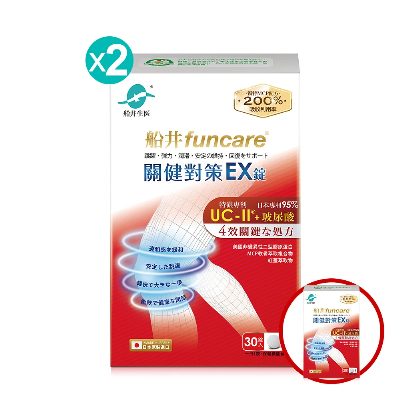
“關節保健|UC-II超越足量42mg・日本進口關健對策EX錠|限時買2送1” (daily joint-care tablets) is a capsule-style example for readers who prefer a single-tablet routine. Its listed ingredients include microcrystalline cellulose, a Streptococcus fermentation product containing sodium hyaluronate, maltitol, chicken cartilage extract, an MCP cartilage extract containing methylsulfonylmethane and salmon cartilage ingredients, red ginger extract, hydroxypropyl methylcellulose, magnesium stearate, and silicon dioxide. The product information states that it contains 42 mg of UC-II, and the suggested use is one tablet daily with a meal; the listed tablet content is 350 mg, with 30 tablets per box. It contains fish and fish-derived products, so people with relevant allergies need to check the warning carefully. The stated origin is Shizuoka, Japan, and the package should be followed for the expiry date and batch information. This format may suit older adults, endurance exercisers, gym users, or manual workers who want a compact routine, but suitability still depends on personal health circumstances and diet.
Powder example: consider protein, calcium, and allergen needs together
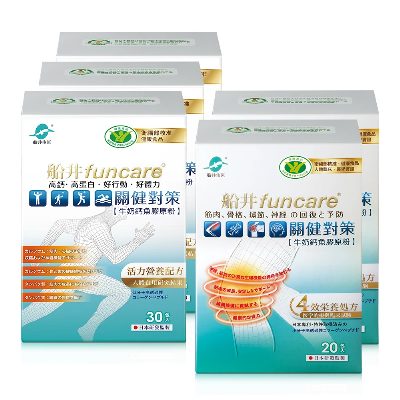
“船井®關健對策4X強健肌力穩固組/高蛋白/高鈣配方 (共)” is a powder-format option listed with fish collagen protein, milk calcium, whole milk powder, calcium lactate, creamer, vitamins B2, B6, and B1, and dried vitamin D3. The suggested serving is one sachet twice daily, after a meal and before sleep. Because the product contains milk and fish collagen, it is not suitable for people with those relevant allergies, and anyone with a medical condition should discuss use with a doctor or nutrition professional. The format may be convenient for people who dislike tablets, including desk workers, active adults, or older adults who are already organizing a post-meal and bedtime routine. It should be viewed as a nutrition supplement rather than a substitute for balanced meals; the product instructions also state that excessive intake is not beneficial and that it cannot treat or correct disease.
Topical example: a different category from oral nutrition
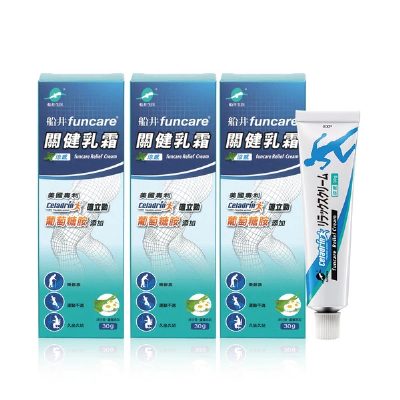
“船井®celadrin適立勁關健乳霜30g(涼感)團購組/擦的葡萄糖胺” is a topical cream, not an oral nutrition product, so it should be compared according to application needs rather than capsule or powder criteria. Its listed ingredients include Celadrin, glucosamine hydrochloride, water-soluble collagen, vitamin E, chamomile, aloe, and a cooling ingredient identified as Menthyl Lactate in the ingredient list. The product description positions it for use after exercise, prolonged standing, or everyday care by older adults, with light application and massage to the area of interest. People should follow the package directions, avoid applying it to unsuitable skin, and stop if irritation occurs. The product information says it does not contain steroids or methyl salicylate, but that fact does not turn it into a treatment for an underlying condition. Users who have persistent warmth, swelling, injury, or severe discomfort should seek clinical advice rather than relying on topical care alone.
Common buying mistakes and a better decision process
One common mistake is choosing a product because a large number or a familiar ingredient appears on the front label, without checking the serving size or the full formula. Another is combining several products that contain overlapping nutrients, particularly when a person already uses a multivitamin, fortified drink, or prescribed medicine. A more careful process is to identify the main need, select one format that fits the routine, read allergens and directions, record the start date, and review the package after several weeks without making medical claims about the outcome. For the tablet example, the key checks are fish content, one-tablet daily directions, and meal timing. For the powder, milk and fish collagen allergens plus twice-daily use are central. For the cream, the focus is skin compatibility, application instructions, and whether the issue calls for professional evaluation rather than self-care.
Match the choice to real-life situations
A middle-aged office worker who wants minimal preparation may prefer the single-tablet format, provided the fish allergen and personal medication profile are acceptable. An adult who wants a powder routine and is comfortable with milk and fish ingredients may consider the high-protein, high-calcium format, while someone who prefers external application after standing or exercise may look at the topical cream instead. These are usage scenarios, not universal recommendations, and budget is only one part of the decision. Dietary pattern, swallowing preference, schedule, allergies, skin sensitivity, and advice from a healthcare professional can matter more than packaging language. Any new or worsening joint symptom, unexplained swelling, marked stiffness, weakness, fever, or pain after an injury warrants medical assessment. Health information is for reference and does not replace individualized diagnosis or treatment advice.
A practical checklist before purchase
Before selecting a product, readers can write down current supplements and medicines, note fish, milk, or other allergies, and decide whether a tablet, powder, or topical format is realistically sustainable. The package should be checked for serving instructions, ingredients, storage conditions, expiry date, and warnings. “More” is not automatically better: the tablet directions specify one per day, the powder directions specify one sachet twice daily, and the cream requires topical use according to its instructions. Maintaining regular meals, adequate protein, suitable activity, and professional follow-up when symptoms persist creates a more responsible foundation than expecting one product to cover every aspect of joint care. When uncertainty remains, a pharmacist, doctor, or registered dietitian can help compare the label with the person’s health history and current routine.
The information in this article is for reference only and does not constitute professional advice. For specific decisions, please consult a relevant professional based on your personal situation.