Daily mobility is shaped by more than age or a single product. Standing from a chair, climbing stairs, carrying groceries, and walking outdoors all rely on a combination of muscle strength, balance, joint comfort, confidence, and regular practice. For older adults, a sensible care plan starts with movement habits and then considers whether a supplement, topical product, or electrical stimulation device fits a particular routine. The most useful buying decision is not the product with the longest claim list; it is the option that matches the person’s health status, daily schedule, ability to use it correctly, and willingness to continue using it.
Start with movement, strength, and balance
A mobility-support routine should include more than occasional walking. Older adults can consider a mix of steady aerobic activity, resistance exercises, balance practice, and functional movements such as sit-to-stand drills or controlled step-ups. International activity guidance commonly places emphasis on regular aerobic activity, muscle-strengthening work, and multicomponent sessions that include balance and functional training, while also encouraging people to replace long periods of sitting with light movement when possible. The right starting point depends on current fitness, pain, previous falls, medication use, and medical conditions.
A practical weekly pattern might include short walks, two strength sessions using a chair or resistance band, and several brief balance sessions near a stable support. Progress should be gradual rather than driven by discomfort or competition. Supportive shoes, clear floors, adequate lighting, and a handrail can make practice more manageable at home. If walking ability changes suddenly, a fall occurs, or exercise causes persistent or unusual symptoms, a healthcare professional should assess the situation before the routine is expanded.
How to assess supplements and topical care
Joint-care products are best viewed as part of a broader daily plan, not as replacements for movement, sleep, nutrition, or professional care. Before choosing a supplement, readers should check the ingredient list, serving instructions, allergens, storage guidance, and whether the product fits current medicines or health conditions. Older adults often take several medicines, so a pharmacist or clinician can review possible interactions and advise whether a product is appropriate. Packaging directions should take priority over informal online recommendations.
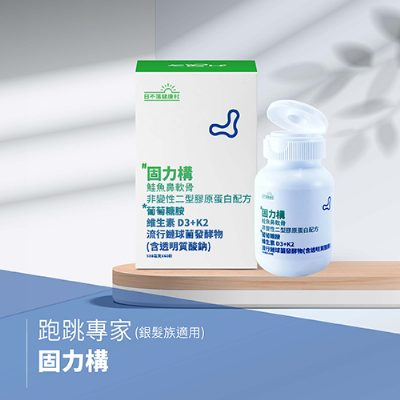
For readers seeking a product designed around a senior routine, 固力構-固力專家 (銀髮族適用) contains salmon nasal cartilage, undenatured type II collagen, hyaluronic acid, and glucosamine. The bottle contains 60 capsules at 500 milligrams each, and the stated intake is one to three capsules daily. Its positioning is daily joint-care support for older adults, so it may be considered by someone who prefers a capsule format and wants a multi-ingredient formula. The label and personal health circumstances should guide final use decisions.
Choosing based on routine rather than marketing language
The best comparison begins with the user’s situation. Someone who dislikes swallowing capsules may prefer to explore a topical format, while a person who wants a simple daily habit may prefer a clearly labelled oral product. Someone active outdoors may focus on portability and ease of use, whereas a family caregiver may prioritize straightforward instructions, storage, and whether the older adult can manage the product independently. Claims such as “natural,” “imported,” or “advanced” should never replace checking the full label and intended use.
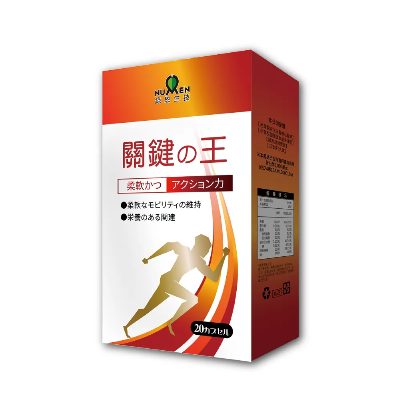
綠恩倍股立 is described for older adults and people with high activity demands, including athletes or workers who regularly handle heavy loads. The listed ingredients include passionflower extract, lemon verbena extract, cat’s claw extract, pearl powder, L-phenylalanine, glucosamine NAG, inositol, and vitamin C; the listed format is 500 milligrams per capsule, with 20 capsules per box. The stated directions describe once-daily use of two capsules, with three capsules as an increased amount, and use before or after meals. Because the formula includes multiple ingredients, label review and professional advice are especially sensible for people with allergies, chronic conditions, or regular medication use.
When a topical product may fit better
Topical care can suit people who prefer applying a product to a specific area after activity or a long period of standing. It also allows the user to build the application into an existing routine, such as after a walk, household chores, or work. The product should be applied only as directed, and sensitive skin should be monitored for redness, itching, or irritation. A topical product should not be treated as a substitute for assessment when discomfort is severe, persistent, or accompanied by swelling, weakness, or a significant change in walking ability.
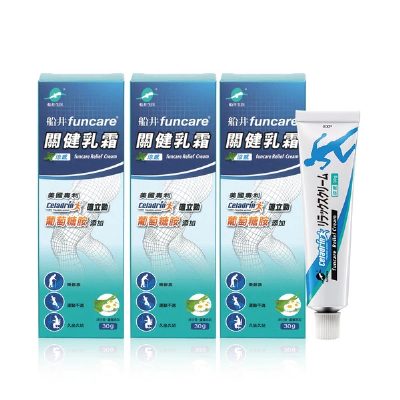
船井®celadrin適立勁關健乳霜30g(涼感)團購組/擦的葡萄糖胺 is a topical cream described for older adults, people who exercise, and those who stand for long periods. Its listed ingredients include Celadrin, glucosamine hydrochloride, water-soluble collagen, vitamin E, chamomile, and aloe; the product description also states that it does not contain steroids or methyl salicylate. It can be applied to an area that needs daily care with gentle massage, while users should follow the packaging directions and stop if the skin reacts unexpectedly.
Understanding tablets and electrical stimulation devices
A tablet format may be convenient when the user wants a fixed routine with a clearly stated daily serving. 關節保健|UC-II超越足量42mg・日本進口關健對策EX錠|限時買2送1 is listed as 關節保健|UC-II超越足量42mg・日本進口關健對策EX錠|限時買2送1, with a suggested intake of one tablet daily with a meal and a stated content of 350 milligrams per tablet. The listed ingredients include chicken cartilage extract, salmon cartilage ingredients, hyaluronic acid sodium, methylsulfonylmethane, red ginger extract, and other formulation ingredients. The label notes that it contains fish and fish products, so people with relevant allergies should pay close attention before use.
船井®關健低周波治療器按摩強健舒緩雙效明星組 is a device combining TENS and EMS functions, with a 15-minute automatic cycle, eight intensity levels, and high-elastic silicone pads according to its product description. It is positioned for adults over 40, older adults over 65, and people who enjoy outdoor activities, but safe use depends on reading the manual and checking personal suitability. NHS guidance warns against TENS use with a pacemaker and advises against placing pads on irritated, broken, infected, numb, or sensitive skin; pregnancy and epilepsy also require professional guidance or avoidance depending on circumstances. The product’s own restrictions are extensive, including acute illness, pregnancy, certain skin conditions, implanted cardiac devices, abnormal sensation, high blood pressure, fever, and recent injuries, so a clinician should be consulted when any doubt exists.
A simple decision framework for different needs
For a person who wants a capsule with several listed joint-care ingredients, 固力構-固力專家 (銀髮族適用) provides a clear senior-oriented format and a stated daily range. For someone who prefers a topical routine after walking or prolonged standing, 船井®celadrin適立勁關健乳霜30g(涼感)團購組/擦的葡萄糖胺 may be easier to integrate into a targeted application habit. 綠恩倍股立 may appeal to readers comparing a multi-ingredient capsule for older adults or people with demanding activity patterns, while the tablet option may suit someone who prefers a single daily serving and needs to check fish-related allergen information.
Device selection requires an even more cautious approach. 船井®關健低周波治療器按摩強健舒緩雙效明星組 should not be chosen solely because it offers multiple modes; the user must be able to follow electrode placement, intensity, cleaning, and safety instructions. A family member or professional may need to assist an older adult with reduced sensation, memory difficulties, or limited hand strength. If the main concern is a new or worsening mobility change, product shopping should follow—not replace—medical assessment.
Final checklist before making a choice
A sustainable mobility plan usually combines regular movement, strength and balance practice, suitable footwear, sensible nutrition, and products selected for a specific routine. Before buying, readers can write down the person’s main need, preferred format, allergies, medicines, skin sensitivity, and ability to follow directions. The next step is to compare the label with that checklist rather than relying on a dramatic promise or a familiar brand name. Product information can change, so the current package should always be checked for serving instructions, ingredients, warnings, and storage details.
Joint-care supplements and devices are intended for daily support, not for diagnosing or managing an unknown medical problem. Persistent pain, repeated falls, sudden weakness, marked swelling, numbness, or a rapid decline in walking ability warrants professional attention. Health information in this guide is for general reference only; a doctor, pharmacist, physiotherapist, or other qualified professional can provide advice suited to the individual’s conditions and medicines.
The information in this article is for reference only and does not constitute professional advice. For specific decisions, please consult a relevant professional based on your personal situation.