Maintaining a healthy liver is closely linked to energy levels, concentration, and how refreshed people feel when they wake up. In East Asian wellness traditions, schisandra berries have long been used as one of the classic ingredients for liver-related support, often mentioned alongside ginseng and other tonic herbs. Modern consumers frequently encounter schisandra in capsules, powdered drinks, or herbal teas and wonder what role it may play in daily liver care. This article looks at how schisandra has been described in traditional texts, what recent research suggests, and how it can be sensibly integrated with sleep, diet, and lifestyle. All information is for general education only and is not a substitute for professional medical advice; anyone with liver disease should consult a physician or pharmacist before using herbal products.
What is schisandra and why is it linked to the liver?
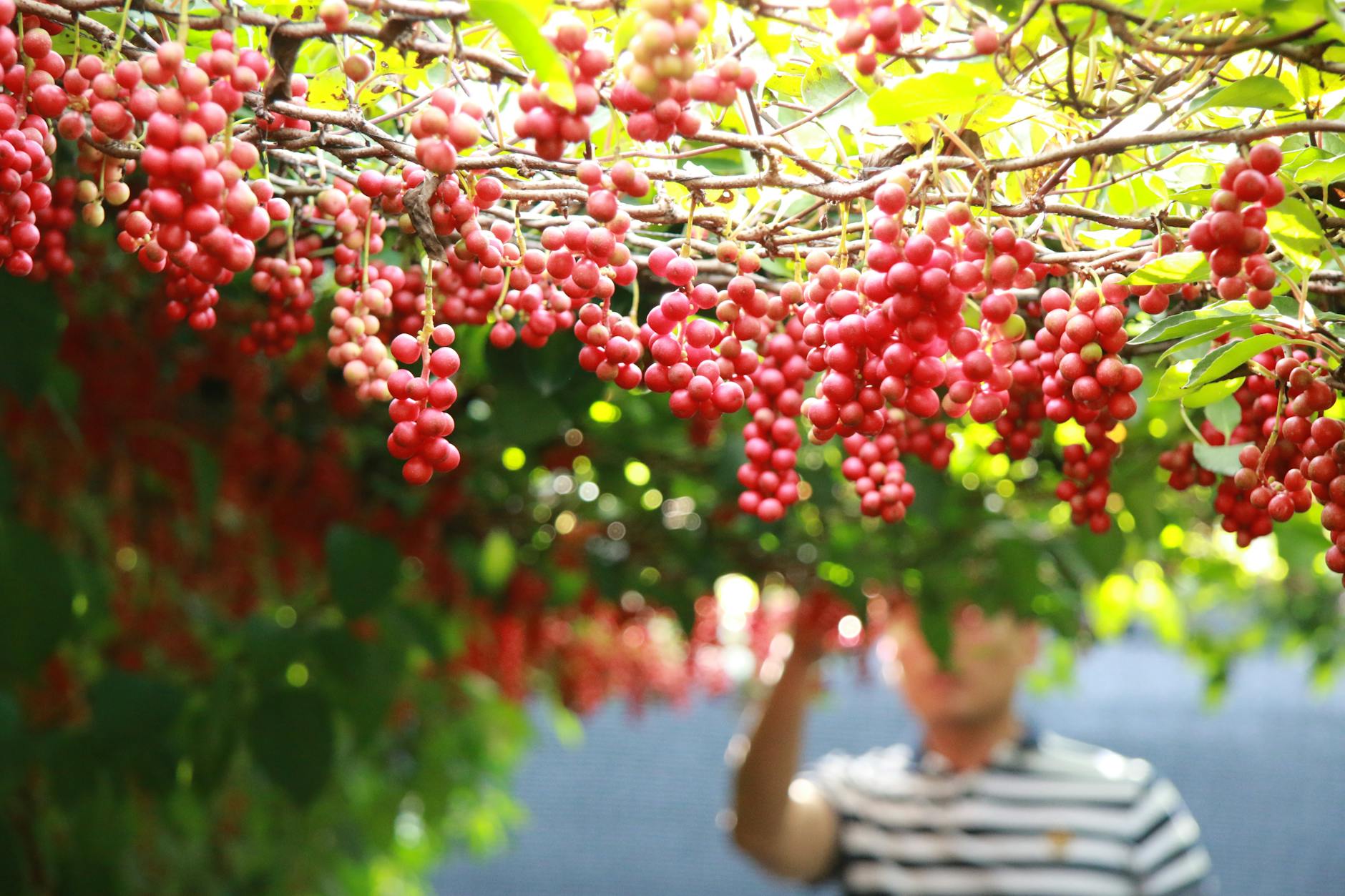
Schisandra (Schisandra chinensis) is a climbing plant whose red berries are known in Chinese as “five‑flavor fruit” because they are described as containing sour, sweet, salty, bitter, and pungent tastes. In traditional Chinese medicine, it has been classified as a high-grade tonic material and is often said to “nourish the liver and kidney,” calm the mind, and support resilience under stress. Korean and Japanese folk practices also feature schisandra teas and wines as everyday tonics for hardworking adults. From a modern nutritional perspective, the berries contain lignans, organic acids, and polyphenols that have attracted interest for their antioxidant properties. Many people first encounter schisandra because of its reputation in formulas marketed for liver health, but its traditional use extends to breathing comfort, mental focus, and general vitality.
Active compounds and research related to liver function
Contemporary laboratory and animal studies have focused on schisandra lignans, sometimes referred to as schisandrin and related compounds, and their interaction with liver cells. In experimental settings, these constituents have been observed to influence antioxidant enzymes and detoxification pathways in the liver, which has led researchers to explore their potential role in handling everyday exposure to pollutants or medication byproducts. Some studies have reported changes in commonly used liver enzyme markers in animals, though human data remain more limited and often involve small sample sizes. Because of these limitations, experts generally emphasize that schisandra should be viewed as a complementary element within a broader lifestyle approach, not as a stand‑alone solution for liver disease. Readers are encouraged to discuss any supplements with healthcare professionals, especially if they already take prescription drugs or have abnormal liver tests.
Traditional wellness views on schisandra and liver balance
Within traditional Chinese medicine theory, the sour flavor of schisandra is associated with the liver system, and classical texts describe it as a substance that “gathers and preserves” inner resources. Practitioners sometimes include schisandra in formulas for people who feel easily fatigued, experience disturbed sleep, or have long‑term stress, all of which are believed to influence liver balance in this framework. Unlike modern medicine, this approach does not focus on a single organ or lab value, but on patterns such as irritability, dry eyes, or tightness in the chest. Schisandra is rarely used alone in professional practice; instead, it is combined with other herbs and adjusted to each person’s constitution. This personalized aspect is one reason why over‑the‑counter products cannot simply replicate clinic formulas, and why consultation with a qualified practitioner is often recommended for those interested in a more structured traditional program.
Everyday lifestyle habits that matter more than any herb
For most people, everyday lifestyle choices have a stronger impact on the liver than any single ingredient. Regular late nights, frequent drinking sessions, smoking, and a heavily processed diet place continuous workload on the liver’s metabolism. Many nutritionists highlight sleep between roughly 11 p.m. and 3 a.m. as particularly important for overnight bodily recovery, including processes involving liver glycogen and blood storage. Simple behaviors such as going to bed earlier on weekdays, scheduling alcohol‑free days, and avoiding unnecessary self‑medication can greatly reduce strain. Balanced meals that prioritize vegetables, fruits, whole grains, and adequate protein from fish, eggs, or legumes are also emphasized. Within this context, schisandra is sometimes used as one small component in a wider routine that includes better sleep, gentler social drinking, and conscious stress management through movement or relaxation practices.
How people commonly use schisandra in daily liver‑friendly routines
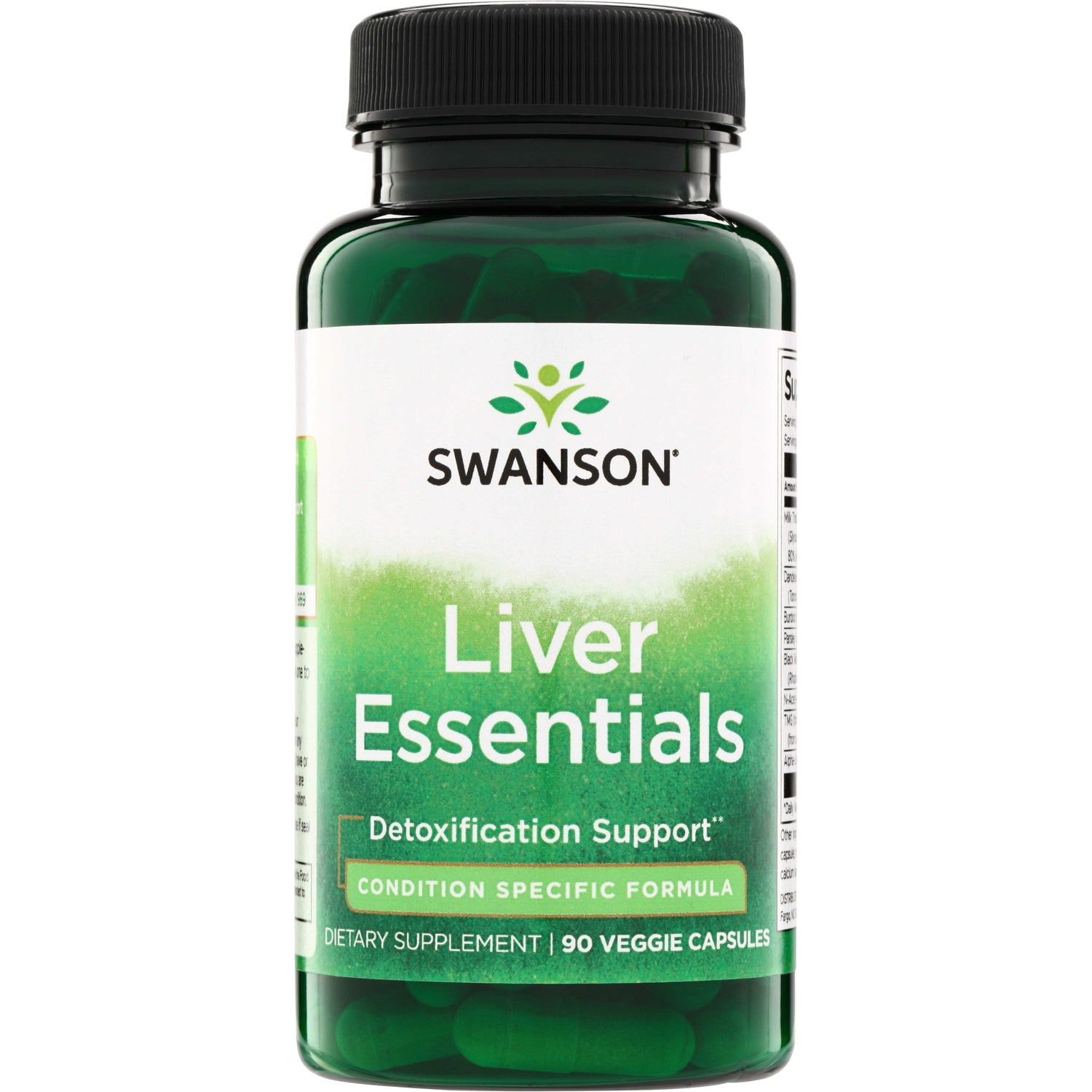
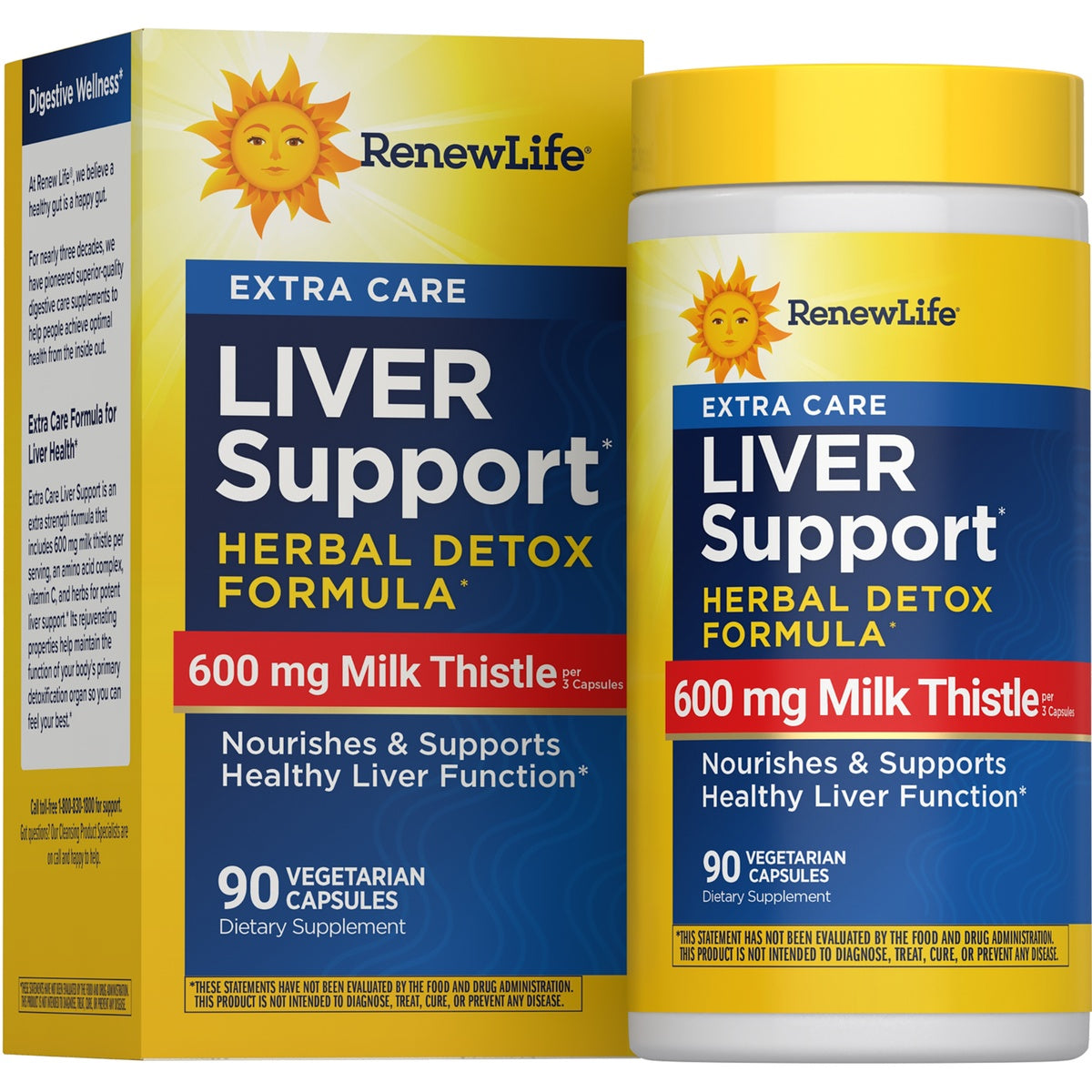
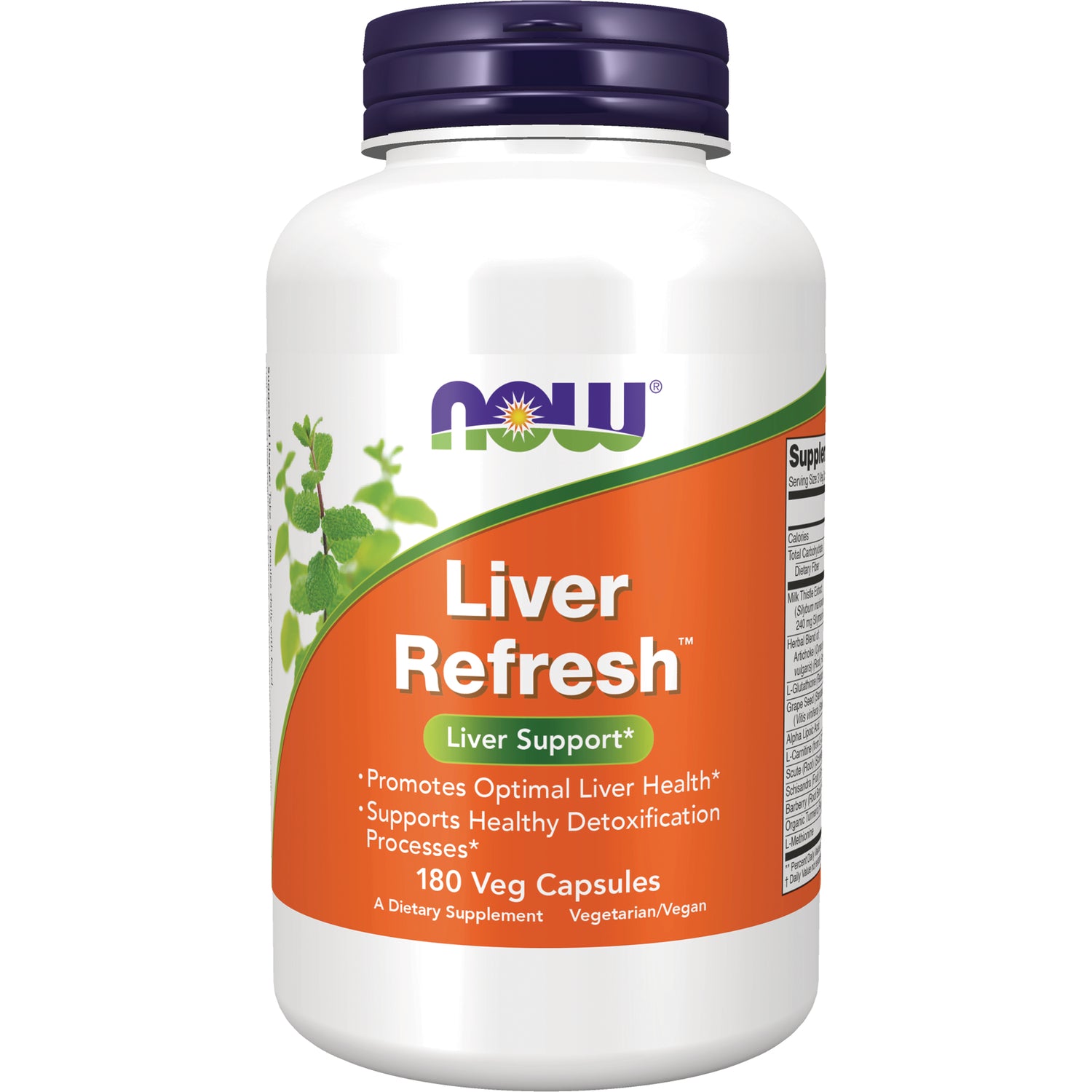
In daily life, schisandra appears in several convenient formats that fit different habits. Some people enjoy schisandra tea, simmering dried berries with water and sometimes combining them with green tea, goji berries, or jujube to create a tart, aromatic drink. Others choose ready‑made supplements that standardize certain lignan contents, often taken with meals according to label instructions. There are also traditional liqueurs or infused wines in some cultures, though these are alcoholic and may not be suitable for those with liver concerns. When integrating schisandra, moderation is important; starting with a low intake, observing how the body responds, and avoiding long unbroken periods of use without checking in with a professional is a cautious strategy. People who are pregnant, breastfeeding, or taking medications such as anticoagulants or seizure medicines should obtain medical advice before experimenting with new herbal products.
Office workers, nightlife, and modern liver strain
Modern urban lifestyles create particular patterns of liver load that differ from those in the past. Office workers often sit for long hours, rely on convenience foods, and unwind with late‑night screen time, while others in sales, hospitality, or entertainment may attend frequent social events with alcohol. These habits can be associated with feelings of constant tiredness, poor concentration, and a sense of being “drained,” prompting interest in schisandra and similar tonics. Some people schedule a warm schisandra drink after heavy meals or late nights as a symbolic reset, pairing it with lighter food the next day. While such rituals can encourage more mindful choices, they do not cancel out long‑term overconsumption of alcohol or chronic sleep deprivation. Health educators repeatedly stress that medical checkups, including liver enzyme tests when appropriate, and honest reflection on daily routines offer far more reliable insight than relying on any single herb as a shortcut.
Safety, limitations, and when to seek professional help
As with many botanicals, schisandra is generally considered acceptable for short‑term use in healthy adults when taken in customary amounts, but this does not mean it is risk‑free. Possible concerns include digestive discomfort, interactions with drugs processed by liver enzymes, and inappropriate use by individuals with existing liver conditions. Anyone experiencing symptoms such as jaundice, dark urine, severe fatigue, or right‑upper abdominal pain should seek prompt medical evaluation rather than self‑treating with herbs or supplements. It is also important to remember that impressive‑sounding claims online may be based on preclinical experiments that do not directly translate to humans. For readers looking to care for their liver over the long term, schisandra can be viewed as a traditional food‑based option that may complement, but never replace, medical guidance, balanced nutrition, physical activity, and responsible alcohol use. All content in this article is for educational purposes only and should be used as a reference when discussing choices with qualified healthcare professionals.