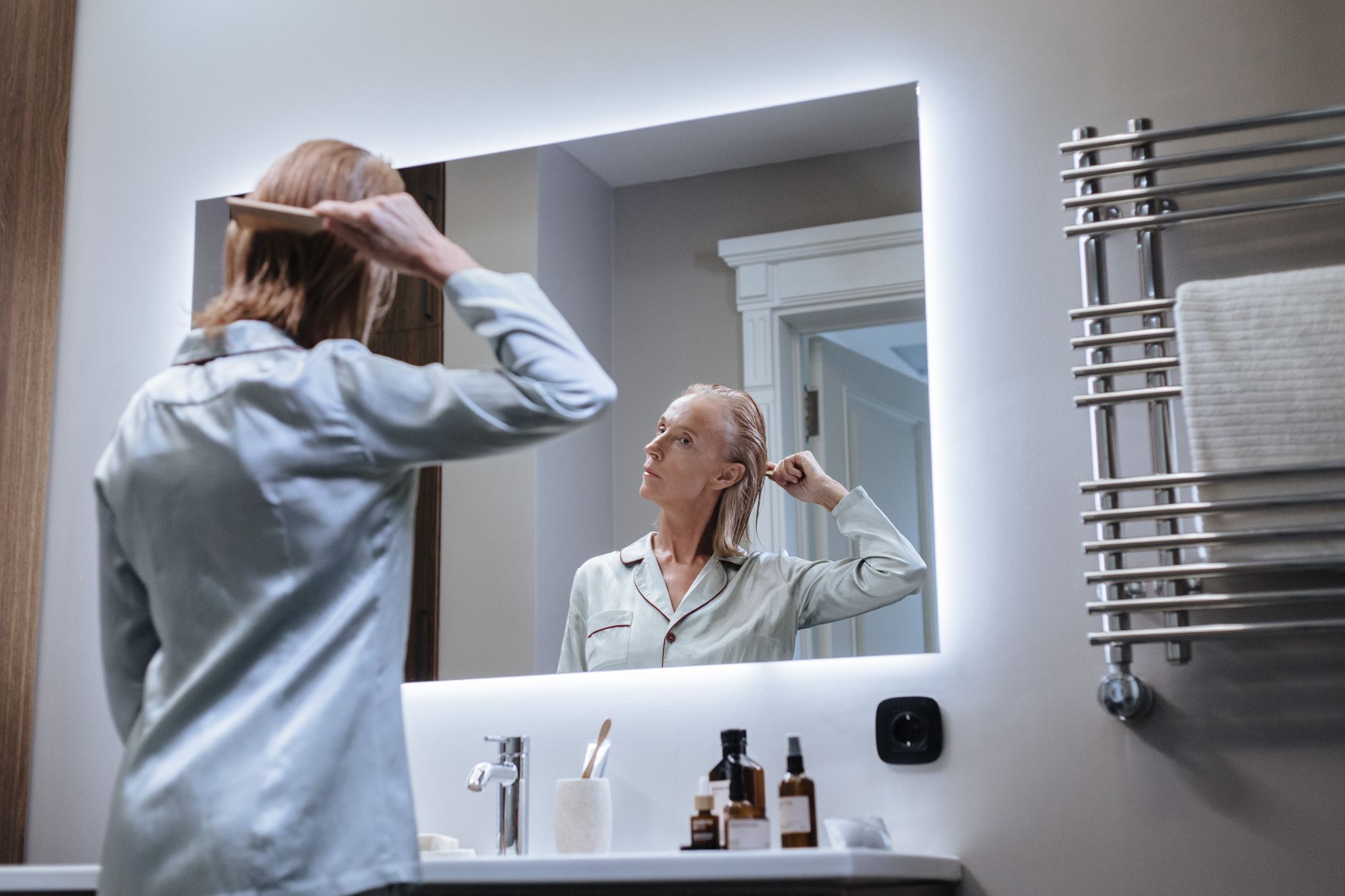
Female hair loss can feel unsettling, especially when shedding seems to appear suddenly around the shower drain or hairbrush. Many women in their twenties to forties notice shifts in hair volume during busy career stages, postpartum recovery or perimenopause, and often wonder whether nutrition or scalp care plays a role. This guide looks at hair from a holistic angle, connecting diet, hormones, stress and everyday haircare habits. It does not promise medical outcomes, but offers practical ideas that readers can discuss with healthcare professionals when building a personalized plan.
Understanding common patterns of female hair loss
Female hair loss shows up in different ways, such as overall thinning over the crown, a widening part line or more loose strands after washing. Some patterns are linked with genetic predisposition, while others are associated with life events like childbirth, major illness or significant emotional stress. Short-term shedding may follow a high fever or surgery, as the body prioritizes vital organs over hair. In other cases, gradual thinning may reflect long-running influences such as nutrient gaps, tight hairstyles or harsh chemical treatments. Recognizing personal patterns is a first step toward meaningful conversations with dermatologists or trichologists, who can help rule out underlying conditions.
The role of hormones and the menstrual cycle
Hormonal shifts influence hair growth cycles, and many women notice changes around periods of fluctuating estrogen and progesterone. During pregnancy, fuller hair sometimes appears because more strands stay in the growth phase, while postpartum shedding can occur when those hairs shift into a resting and shedding phase at the same time. Around perimenopause, changing estrogen levels may coincide with slower hair growth or increased sensitivity to androgens, leading to visible thinning in some individuals. The monthly menstrual cycle can also affect how women perceive their hair, with some reporting that hair feels drier or flatter at certain phases. Since hormones interact with many body systems, questions about persistent or severe hair changes are best reviewed with medical professionals.
Nutrition fundamentals for hair-friendly eating
Hair is built from protein, and each strand reflects months of nutritional history, so everyday meals matter more than occasional treatments. A balanced plate that includes complex carbohydrates, lean protein sources, healthy fats and a variety of colorful vegetables supports overall wellness, which in turn helps create a favorable environment for hair growth. Consistent eating patterns are important, because repeated crash diets or very low-calorie regimens may coincide with temporary shedding. Many women find it useful to plan meals around whole foods rather than supplements alone, focusing on what can realistically fit into office lunches, family dinners or plant-based lifestyles. When dietary restrictions exist, such as vegan eating or food allergies, tailored advice from a registered dietitian can help cover potential nutrient gaps.
Iron, protein and key micronutrients
Iron and protein are frequently discussed in relation to female hair loss, especially among women with heavy periods or low meat intake. Iron from food sources like lean red meat, poultry thighs, lentils, chickpeas and spinach contributes to oxygen transport in the body, and insufficient levels may be associated with increased shedding in some cases. Protein-rich options such as eggs, Greek yogurt, tofu, tempeh and nuts provide building blocks for hair structure, and spreading intake across meals can be more practical than relying on one large serving. Other micronutrients, including zinc, vitamin A, vitamin D and B-group vitamins, also participate in processes related to skin and hair health. Because excessive doses of certain vitamins may carry risks, blood tests and professional guidance are recommended before using high-dose supplements.
Scalp care habits and cleansing routines
The scalp is living skin, and its condition can influence how hair looks and feels day to day. Regular but gentle cleansing helps remove excess sebum, sweat and styling product residues that may weigh down hair or leave it looking flat. Many women find that a frequency of washing every one to three days suits their lifestyle, adjusting for workouts, humid climates or dry office environments. Choosing a shampoo that matches scalp type, whether oil-prone, dry or sensitive, can make cleansing more comfortable. Simple habits like massaging the scalp with fingertips rather than nails, rinsing thoroughly and finishing with lukewarm rather than very hot water support a more balanced scalp environment. When persistent itching, flaking or pain occurs, professional assessment is important rather than simply switching products.
Styling, stress and daily lifestyle factors
Everyday styling choices can quietly influence hair density over time, especially when tension or heat is involved. Tight ponytails, sleek buns, braids with heavy extensions and frequent high-heat tools may contribute to breakage or traction on follicles, particularly along the hairline. Alternating styles, loosening hair bands and giving hair regular "rest days" without heavy styling helps reduce mechanical strain. Stress is another significant lifestyle factor, as intense work pressure, caregiving responsibilities or major life changes may coincide with shedding episodes. Techniques such as moderate exercise, structured sleep routines, mindful breathing and time boundaries around digital devices can support general wellbeing. Readers who notice that their hair loss seems closely tied to periods of intense stress may find it valuable to explore coping strategies together with mental health professionals.
When to seek professional advice and how to prepare
While small changes in shedding are common, certain signs suggest that professional input should not be delayed. Sudden patches of missing hair, rapidly increasing shedding over a short period, or accompanying symptoms like scalp pain, burning or rashes warrant prompt medical review. Preparing for an appointment by noting when hair changes started, taking photos over several weeks and listing recent life events, new medications or diet changes can help clinicians identify patterns. Bringing questions about nutrition, scalp care and styling allows the discussion to go beyond prescriptions and consider daily routines. It is also helpful to remember that information in this article is intended as general education and does not replace a diagnosis or personalized treatment plan. For any health-related decisions, consultation with qualified healthcare professionals is recommended.
Practical takeaways for everyday routines
Managing female hair loss often involves small, sustainable adjustments rather than dramatic overnight changes. Readers can start by observing their current habits: how often hair is washed, which styles are worn most, what a week of meals looks like and how stress shows up in daily life. From there, incremental steps such as adding an iron-rich snack, choosing a gentler shampoo, loosening hairstyles or setting a consistent bedtime can become part of a broader wellness routine. Curiosity and patience are useful mindsets, because hair responds slowly to lifestyle shifts and results may vary between individuals. Above all, women experiencing hair loss are not alone; it is a common concern that deserves empathetic conversation and professional support. Any adjustments described here should be reviewed with healthcare providers to ensure they align with individual health needs.