Period discomfort is often more than cramps
Period discomfort can show up as lower abdominal tightness, bloating, fatigue, mood swings, or a heavy feeling in the pelvis. For many readers, the hardest part is not one single symptom but the way several symptoms overlap and affect work, school, sleep, and appetite at the same time. A practical routine usually starts with simple care: warmth, rest, hydration, and food choices that feel gentle on the stomach.
Warm care often comes first
Heat is one of the most familiar comfort strategies during menstruation. A heating pad, warm towel, or hot-water bottle placed on the lower abdomen or lower back is commonly used when the body feels tense or crampy. Some people also prefer a warm shower, loose clothing, and a slower schedule on the first day or two of the cycle. These habits do not replace medical care, but they can make the day feel more manageable.
Foods people often choose during their period
Many readers look for meals that feel light, warm, and easy to digest. Common choices include tofu, eggs, leafy greens, salmon, soup, oats, bananas, yogurt, nuts, and warm ginger tea. These foods appear often in period-focused meal plans because they fit a comfort-oriented routine and are easy to combine into breakfast, lunch, or an evening snack. A balanced plate with protein, carbohydrates, and vegetables is usually easier to sustain than a highly restricted menu.
Nutrients that are often discussed
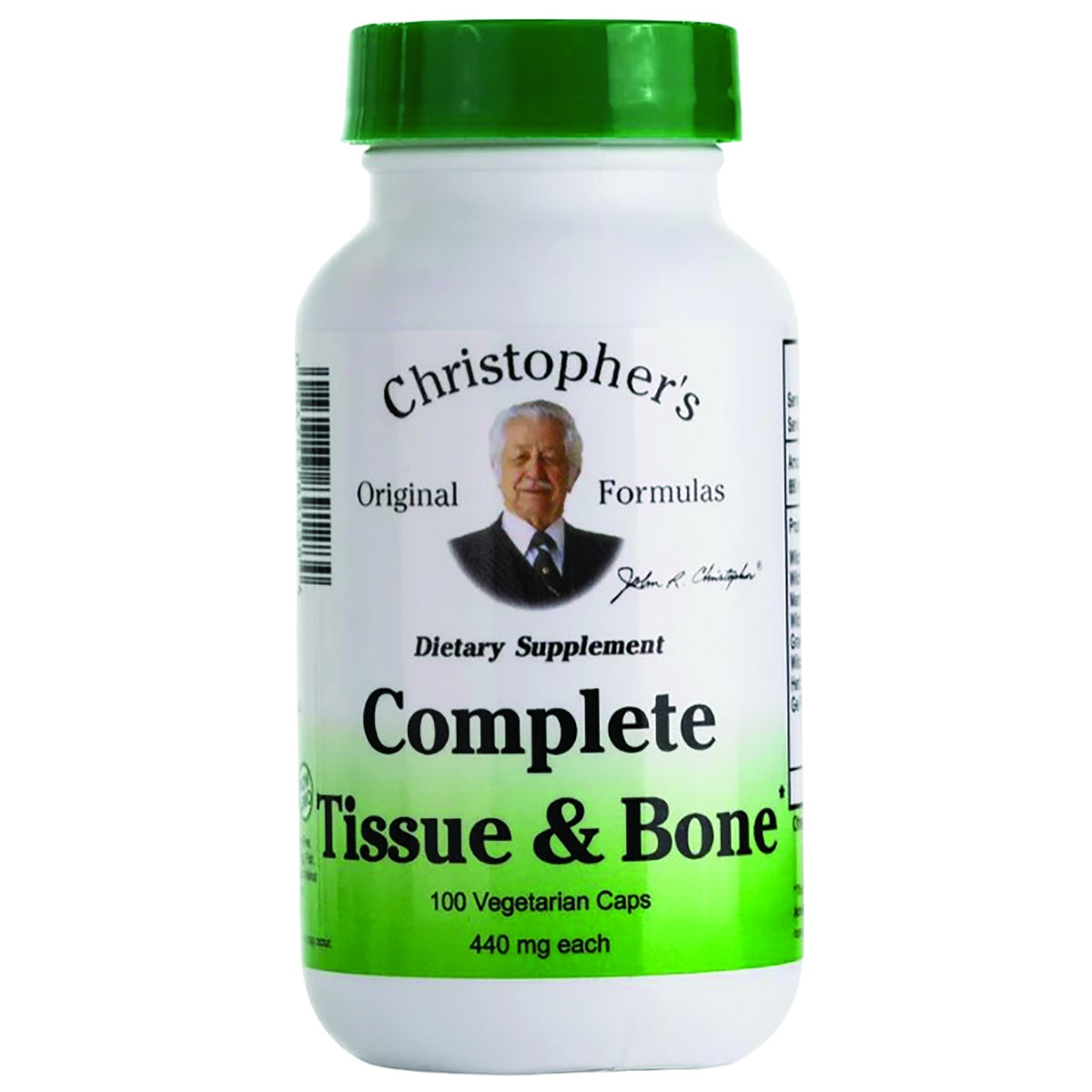
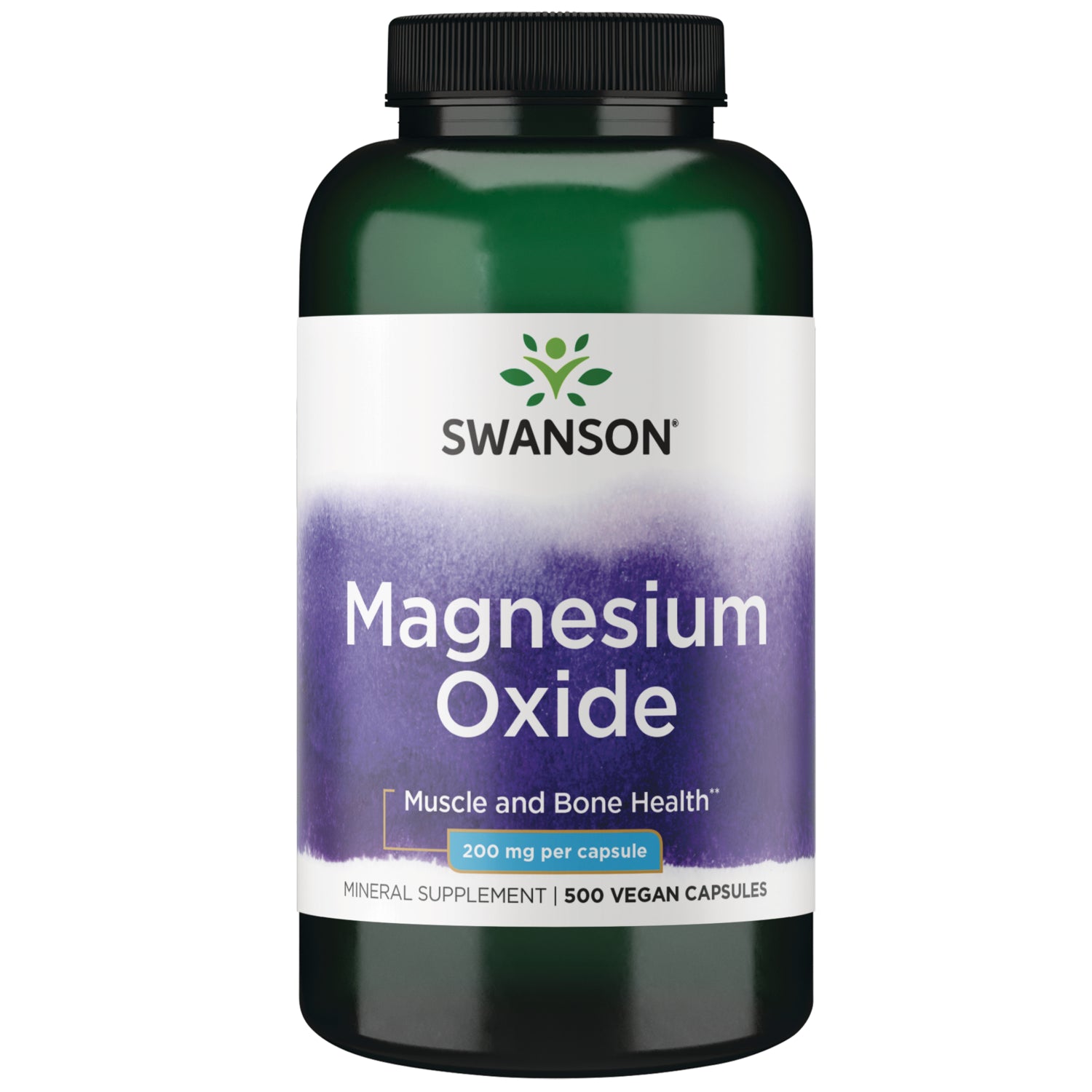
During menstruation, nutrition discussions often center on iron, calcium, magnesium, B vitamins, and omega-3 fatty acids. Iron-rich foods such as lean meat, seafood, beans, and dark leafy greens are commonly mentioned in meals for people who feel drained during their cycle. Calcium and magnesium are often associated with general muscle comfort, while B vitamins are discussed in relation to everyday energy use. These nutrients are best understood as part of an overall eating pattern, not as a single-item fix.
Foods and habits people may limit
Some people notice that very cold drinks, heavy fried foods, excess caffeine, alcohol, or very spicy meals feel harder to tolerate during their period. Others find that salty snacks or highly processed foods make bloating or sluggishness more noticeable. The most useful approach is often personal observation: keeping track of which foods feel comfortable on the first day, which foods feel better later in the cycle, and which habits fit a busy schedule without adding stress.
When symptoms deserve professional advice
Severe pain, unusual bleeding, fainting, fever, or pain that repeatedly disrupts normal life should be discussed with a medical professional. Period discomfort can have different causes, and nutrition alone is not meant to replace diagnosis or treatment. For readers building a self-care routine, the most realistic plan is often a combination of heat, rest, hydration, gentle meals, and a clear record of what happens across several cycles.