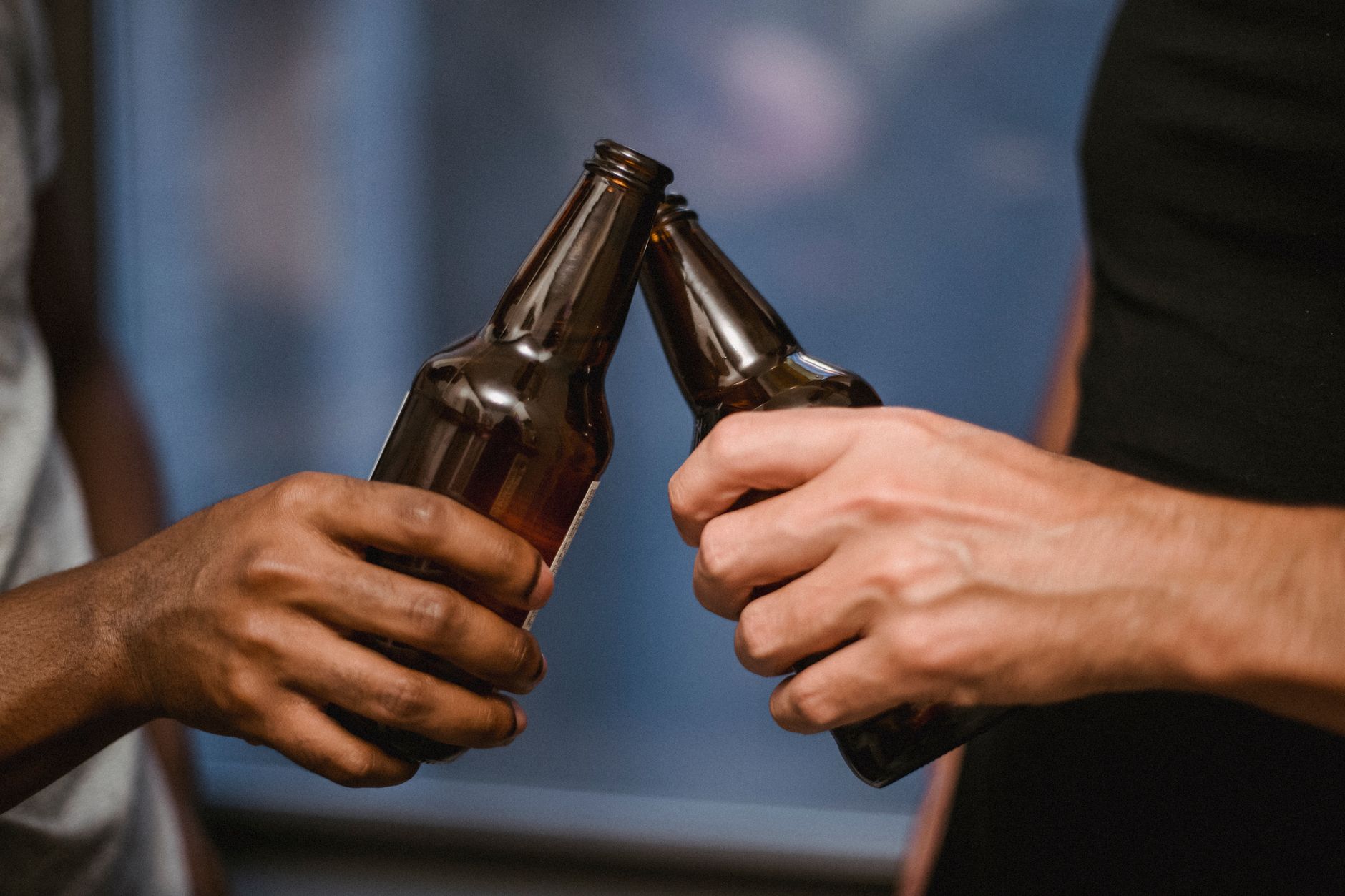
Many adults enjoy social occasions with alcohol, but the way they eat and drink around those events often decides how they feel that night and the next morning. Instead of looking for a magic “anti-hangover” product, more people focus on practical nutrition strategies before and after drinking. A thoughtful plan can support energy, digestion, and overall comfort, although it does not erase the impact of heavy drinking. This article looks at realistic, everyday choices around meals, fluids, and supplements that can fit into real life, whether it is a casual drink after work or a late party with friends.
Why food and hydration matter when drinking
Alcohol is absorbed mainly through the stomach and small intestine, and the speed of absorption is strongly influenced by what is already in the digestive tract. A large amount of alcohol on an empty stomach usually enters the bloodstream faster, which is why people often feel unwell more quickly when they drink without eating. At the same time, alcohol has a diuretic effect, so the body tends to lose more fluid and electrolytes through urine. This combination of fast absorption and fluid loss is one reason why some people experience headaches, fatigue, or lightheadedness after a night out. Planning meals and hydration around drinking is therefore less about “being able to drink more” and more about staying aware of comfort and safety.
What to eat before drinking
A pre-drinking meal that includes complex carbohydrates, protein, and healthy fats can slow the entry of alcohol into the bloodstream. Whole grains, brown rice bowls, or a sandwich made with whole-wheat bread provide longer-lasting energy compared with refined snacks. Adding protein such as eggs, tofu, fish, or chicken helps the meal stay in the stomach for a longer time, which may moderate the pace of alcohol absorption. Healthy fats from avocado, nuts, seeds, or olive oil also tend to linger in the digestive tract, adding another layer of protection. Many nutrition professionals suggest avoiding going to a bar completely empty-stomached; even a simple combination like yogurt with granola, or rice balls with some protein, can make a difference in how the evening feels.
Helpful drink choices before and during alcohol
Hydration starts before the first alcoholic drink. Drinking water throughout the day and having a full glass of water with the pre-drinking meal prepare the body for the dehydrating nature of alcohol. Some people like to include a small glass of fruit juice such as orange or grapefruit juice, which provides vitamin C and natural sugars that support general energy needs, as long as they are comfortable with the acidity. Lightly fermented drinks like kombucha or other probiotic beverages are popular in some cities because they bring friendly bacteria and organic acids that may be gentle on the gut for certain individuals. During the event, alternating each serving of alcohol with a glass of water or sparkling water is a simple habit that can moderate total intake and support fluid balance.
Vitamin B, vitamin C, and other supplements
Many discussions about drinking nutrition mention vitamin B complex because alcohol use is known to consume B vitamins, especially thiamine (B1), riboflavin (B2), and folate. Some clinicians recommend making sure regular meals and, if needed, supplements cover these nutrients so that the body does not run low over time. Separate sources have also suggested that taking vitamin C as part of daily intake may support general liver and metabolic function, particularly for individuals who consume alcohol frequently. However, research indicates that these nutrients do not instantly “clear” alcohol from the blood. They are better understood as background support for normal metabolism, not quick-fix antidotes. Anyone considering higher-dose supplements or long-term use is advised to discuss plans with a physician or dietitian, especially if there is a history of liver disease, mental health conditions, or long-term heavy drinking.
Smarter snack choices while drinking
The food offered with drinks can have a big influence on how a night unfolds. Deep-fried snacks and very salty chips are convenient but may leave people feeling even thirstier and more sluggish. Choosing protein-rich and fiber-rich snacks can be a more balanced approach. Examples include edamame, grilled chicken skewers, tofu dishes, mixed nuts in moderate amounts, hummus with vegetables, or cheese with whole-grain crackers. These options provide protein, fiber, and minerals such as magnesium and potassium. Many people also feel better when they limit very sugary cocktails and sweet mixers, which may cause rapid swings in blood sugar. Replacing at least some sugary drinks with simple highball–style mixes, soda water, or non-sweetened options can help those who are sensitive to fluctuations in energy levels.
Post-drinking care: morning-after nutrition
The morning after drinking, many people experience a combination of thirst, fatigue, and reduced appetite. Gentle rehydration is often the first priority. Plain water, herbal tea, soup broth, or drinks with added electrolytes can be more comfortable than coffee for some, especially if the stomach feels delicate. Foods rich in potassium, such as bananas and certain fruits, are frequently chosen to support electrolyte balance. Once appetite returns, a balanced meal that includes carbohydrates, lean protein, vegetables, and a source of healthy fats can help the body return to usual routines. Some people reach for a smoothie made with fruit, yogurt, and oats, which is easier to tolerate when chewing feels like a chore. It is also reasonable to plan for extra rest and a lighter schedule on days after heavier drinking.
Long-term habits and safety considerations
No pre- or post-drinking routine can completely offset the effects of chronic heavy alcohol intake. Over months and years, excessive alcohol use is linked with a wide range of health concerns, including liver disease, cardiovascular problems, and mental health challenges. Nutrition can support general resilience, but it does not erase those risks. People who notice that they frequently drink to cope with stress, have trouble stopping once they start, or often forget parts of the evening may benefit from speaking with a healthcare professional or counselor. For those who choose to drink, setting personal limits, planning a safe way home, and respecting local guidelines on low-risk drinking remain fundamental. The information in this article is for general education and does not replace personalized advice from a doctor or registered dietitian.
Practical tips to put these ideas into action
Turning these guidelines into real behavior can be easier with a simple checklist. Before going out, many people find it useful to schedule a proper meal at least one to two hours in advance, prepare a bottle of water to bring along, and decide in advance how many drinks they plan to have. During the event, alternating alcoholic drinks with water, choosing snacks with some protein and fiber, and pacing drinks slowly can make a noticeable difference. After returning home, having a glass of water by the bed and planning a calm morning with a light but balanced breakfast can support recovery. These steps are not rigid rules but starting points that individuals can adapt based on culture, preferences, and health status. For specific medical conditions or questions about alcohol use, consultation with a qualified professional is strongly recommended, and all information here should be viewed as general guidance only.