Prostate nutrition is best understood as part of an overall eating pattern rather than a list of miracle foods. For men who want to support long-term health, the practical focus is a varied diet built around vegetables, fruit, whole grains, beans, fish, nuts, and unsaturated fats, while highly processed meats, excess saturated fat, and frequent alcohol intake remain occasional choices. Current evidence does not show that any single food can prevent or treat benign prostatic hyperplasia, prostate cancer, or urinary symptoms. Nutrition can still be relevant to body weight, cardiovascular health, bowel regularity, and daily habits that may influence how a person feels. This guide explains realistic food choices, the limits of supplements, and situations that require medical assessment rather than self-care alone.
Build meals around plants and whole foods
A plant-forward plate gives men a simple framework without requiring strict dieting. Half the plate can come from vegetables and fruit, one quarter from whole grains such as oats, brown rice, barley, or whole-wheat pasta, and the remaining quarter from beans, lentils, tofu, eggs, fish, poultry, or another suitable protein. This pattern supplies fiber, vitamins, minerals, and naturally occurring plant compounds while making highly refined snacks and oversized portions less central. For example, a weekday dinner might include roasted broccoli, lentil-and-tomato sauce, whole-grain pasta, and a small serving of grilled fish. At breakfast, oats with berries and plain yogurt can replace a pastry-based meal. These changes are not a prostate treatment, but they create a sustainable foundation for general male health and a more balanced calorie intake.
- Choose several colors of vegetables and fruit across the week.
- Replace refined grains with oats, barley, brown rice, or whole-wheat options when practical.
- Use beans, lentils, tofu, fish, and unsalted nuts as regular protein choices.
- Read labels on packaged foods, especially for sodium, added sugar, and saturated fat.
Tomatoes and lycopene: useful food, limited promises
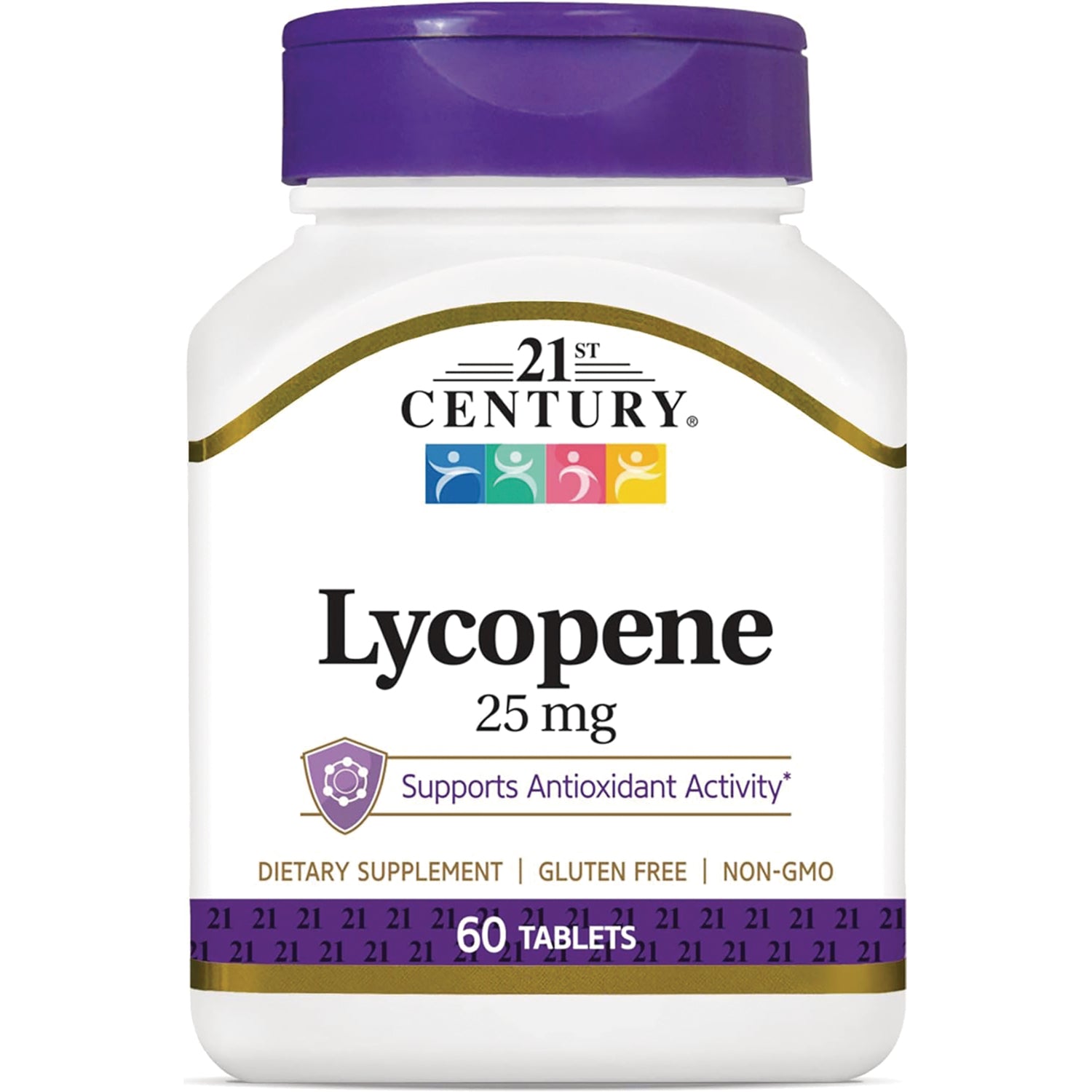
Tomatoes, watermelon, pink grapefruit, and some other red or orange produce contain lycopene, a carotenoid that has attracted attention in prostate research. Observational studies have reported associations between higher tomato or lycopene intake and prostate outcomes, but findings are not consistent enough to treat lycopene as a guaranteed protective nutrient. Randomized evidence has also remained insufficient to establish that lycopene prevents prostate cancer or changes urinary symptoms. The most sensible approach is to include tomatoes as part of ordinary meals rather than taking high-dose products in the hope of a specific medical result. Cooked tomato products, such as tomato sauce or soup, can be convenient, but the overall meal still matters: a sauce high in salt, sugar, or processed meat is not equivalent to a balanced tomato-based dish.
A practical serving could be chopped tomatoes in a bean salad, low-sodium tomato sauce with vegetables, or roasted tomatoes with whole-grain toast. People taking medicines or managing a medical condition should review concentrated supplements with a clinician or pharmacist, because “natural” does not automatically mean risk-free.
Choose fats and proteins with care
The quality and frequency of fat and protein choices can shape the broader dietary pattern. Fish, olive oil, avocado, walnuts, and seeds provide predominantly unsaturated fats, while fatty processed meats, bacon, sausage, and heavily fried foods can add substantial saturated fat, sodium, and calories. Nutrition guidance from cancer-care organizations commonly emphasizes more plant foods, limited red meat, and avoidance of processed meat, but it does not support promising that these choices alone prevent prostate disease. Men who eat meat can select smaller portions of lean poultry or fish and use beans or lentils in several meals each week. A chili made with black beans, vegetables, and a modest amount of lean turkey is one example of a familiar, affordable meal that shifts the balance toward plant protein without requiring a complete dietary overhaul.
Portion awareness is particularly useful when meals are eaten at restaurants or during long workdays. Grilled fish with vegetables and a whole-grain side is generally easier to fit into a balanced pattern than a meal centered on processed meat, fries, and a sugary drink. The goal is consistency across weeks, not perfection at every meal.
Hydration, caffeine, and evening habits
Urinary frequency and nighttime trips to the bathroom are not determined by nutrition alone, and diet has not been shown to cause or prevent benign prostatic hyperplasia. However, fluid timing and beverage choices may affect how disruptive urinary symptoms feel during particular parts of the day. A person who wakes repeatedly at night may find it useful to avoid large drinks close to bedtime and to observe whether caffeine or alcohol is linked with more urgency or frequency. This is a symptom-management strategy, not a cure, and fluid restriction should not create dehydration. People working outdoors, exercising, or taking medicines that affect fluid balance may need individualized advice.
A simple record for several days can connect beverage timing with symptoms. It can include the time and approximate amount of water, coffee, tea, alcohol, and other drinks, as well as nighttime urination and urgency. Such notes can help a healthcare professional understand patterns more clearly than memory alone. Sudden changes, pain, fever, or blood in the urine should not be managed only by adjusting beverages.
Supplements require skepticism and professional review
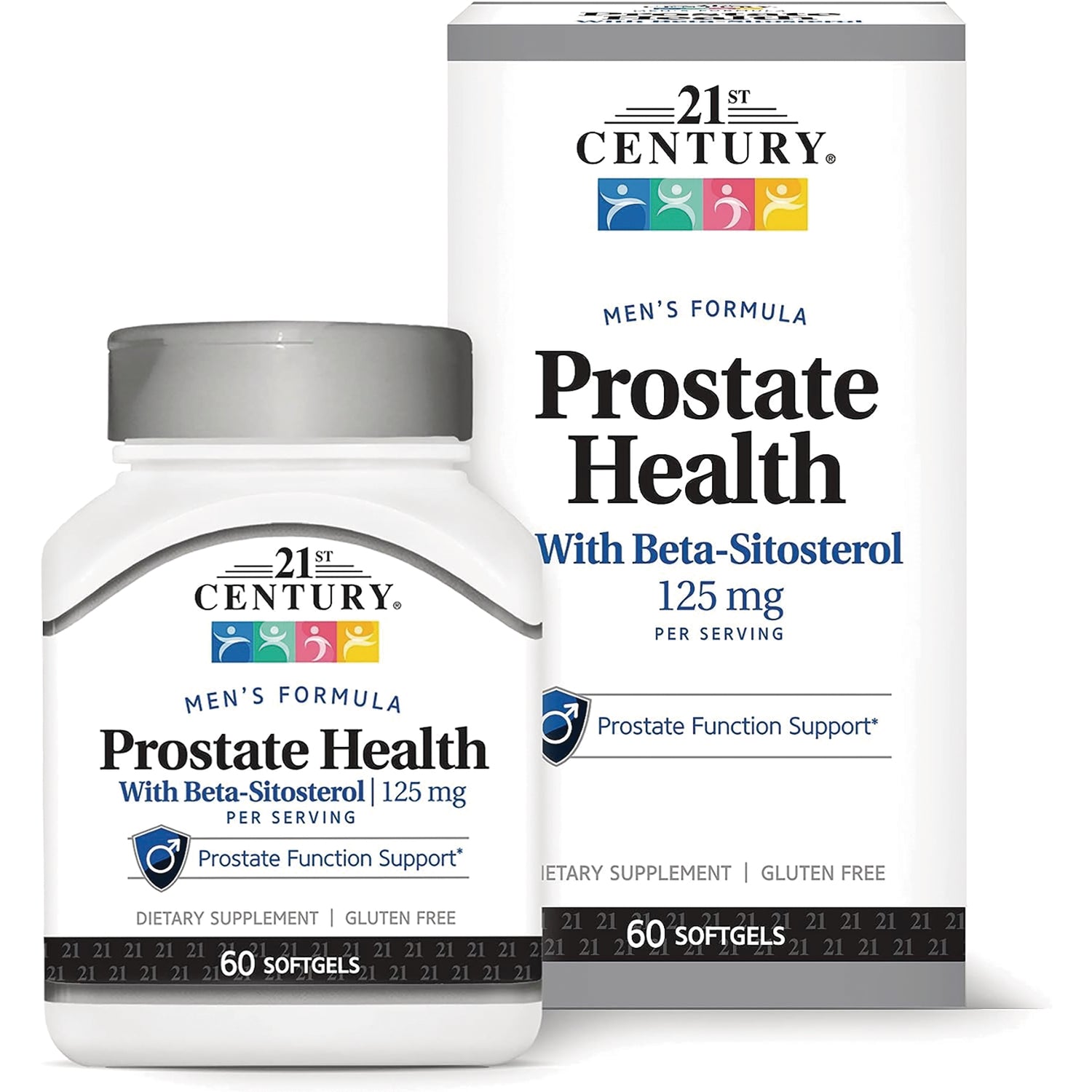
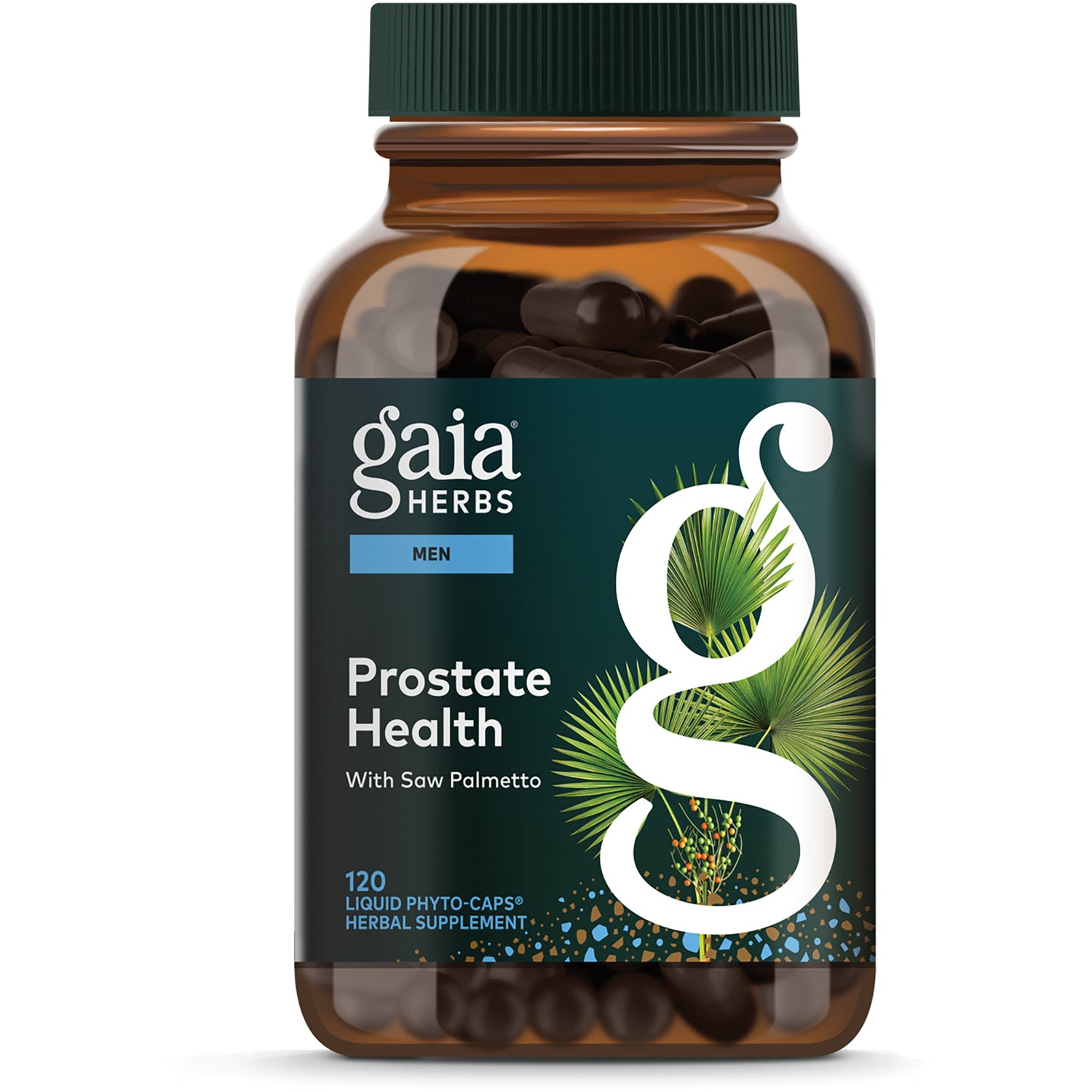
Prostate supplements often combine lycopene, saw palmetto, zinc, selenium, vitamin E, or herbal blends. Marketing language can make these products appear more certain than the research allows, while ingredient amounts and product quality may vary. Evidence has not established that supplements can prevent or treat prostate disease, and large studies have not shown a general benefit from vitamin E or selenium supplementation for prostate cancer prevention. Excess intake can also be harmful, and supplements may interact with prescription medicines or complicate medical testing. Food-first choices are usually easier to evaluate because they provide a wider nutrient package and fit into a recognizable meal pattern.
Before starting a supplement, men should check the full ingredient list, avoid combining multiple products with overlapping nutrients, and discuss use with a doctor or pharmacist if they have prostate symptoms, cancer treatment, kidney disease, bleeding concerns, or regular prescriptions. A supplement should never replace evaluation of persistent urinary changes or a clinician’s treatment plan.
Recognize symptoms that need medical attention
Nutrition advice is not a substitute for diagnosis. Common prostate-related concerns can include difficulty starting urination, a weak or interrupted stream, dribbling, urgency, frequent urination, nighttime urination, or pain during urination. These symptoms can have several causes, including prostate enlargement, infection, bladder conditions, medication effects, or other health problems, so self-identifying the cause is unreliable. A clinician may review symptoms, medicines, medical history, and appropriate tests before recommending management. Men with a family history of prostate cancer or questions about screening should discuss timing with a qualified healthcare professional based on age, risk factors, and personal preferences.
Urgent assessment is needed if a person cannot urinate, has painful frequent urination with fever or chills, sees blood in the urine, or experiences severe lower-abdominal or urinary-tract pain. These warning signs require medical attention rather than a dietary experiment. For general wellness, the most defensible plan is a varied, plant-forward eating pattern, regular physical activity suited to the individual, sensible beverage timing, and professional review of ongoing or worsening symptoms. This health information is for general reference only and should not replace personalized medical advice.