Exam preparation often turns meals into an afterthought, yet students need regular nourishment while reading, solving problems, and managing long study sessions. A practical approach is not to search for one “focus food,” but to build meals around carbohydrates, protein, vegetables or fruit, and fluids. This pattern gives students more predictable eating routines than relying on sugary drinks, oversized snacks, or unfamiliar supplements on the night before a test. The World Health Organization recommends varied diets that include vegetables, fruit, legumes, nuts, and whole grains; for people aged 10 and above, its guidance includes at least 400 grams of fruit and vegetables daily. These are general dietary principles, not a promise of a particular mental outcome, and individual needs vary by age, activity, health status, and school schedule.
Build an exam-day plate that is easy to repeat
A dependable exam meal should be familiar, moderate in size, and easy to digest. A simple plate can combine brown rice, oats, whole-grain toast, or noodles with eggs, tofu, fish, chicken, beans, or yogurt, then add vegetables or fruit. Carbohydrate-containing foods are useful during a busy school day because they are common sources of dietary energy, while protein-rich foods can make a meal more substantial. For example, a student might choose oatmeal with milk and a banana at breakfast, a rice bowl with vegetables and tofu at lunch, and a tuna sandwich with fruit before an afternoon review session. The best choice is usually the one the student has already eaten comfortably, rather than a new product introduced immediately before an important examination.
- Pair a carbohydrate food with a protein food instead of eating sweets alone.
- Add a colorful fruit or vegetable when the meal allows it.
- Keep portions comfortable; feeling overly full can make desk study unpleasant.
Breakfast planning for early school starts
Breakfast does not need to be elaborate, but skipping it can make the morning routine harder for students who later become very hungry. A quick option can include whole-grain bread with an egg, plain yogurt with oats and fruit, or a warm bowl of rice porridge with lean protein and vegetables. Families with limited time can prepare boiled eggs, washed fruit, or overnight oats the evening before. Students who are not hungry immediately after waking can divide the meal into two smaller parts, such as milk and a banana at home followed by a sandwich during the first break, if school rules permit. The central goal is a predictable routine that fits the student’s appetite and timetable, not a special menu associated with exam success.
Snacks for long study sessions
Study snacks work best when they are convenient, portioned, and less dependent on added sugar. Unsalted nuts, fruit, yogurt, roasted beans, cheese, or a small whole-grain sandwich can be easier to manage than eating directly from a large bag. A student studying at a cram school might pack an apple and a small container of nuts; another might choose soy milk and a rice ball after sports practice. Sweetened beverages, candy, and pastries can still appear occasionally, but making them the main source of energy may create an uneven eating pattern and displace more varied foods. Water should remain available, particularly in warm classrooms or during commuting, while thirst, urine color, and personal comfort can guide ordinary hydration habits.
Caffeine: read the label and avoid last-minute experiments
Coffee, tea, cola, chocolate drinks, and energy drinks can all contribute caffeine, and the amount differs substantially by product and serving size. Taiwan’s food-labeling rules require packaged caffeinated beverages to display caffeine information under specified conditions, so students and parents should check the label rather than assume that a familiar brand has a predictable amount. Caffeine late in the day can interfere with sleep for some people, and sleep is part of effective exam preparation. Adolescents, students who are sensitive to caffeine, and anyone taking medication should be especially cautious with energy drinks or concentrated products and should ask a pharmacist or doctor when uncertain. Increasing caffeine suddenly on exam day is a poor substitute for a stable sleep-and-meal routine.
Supplements, health foods, and legal claims
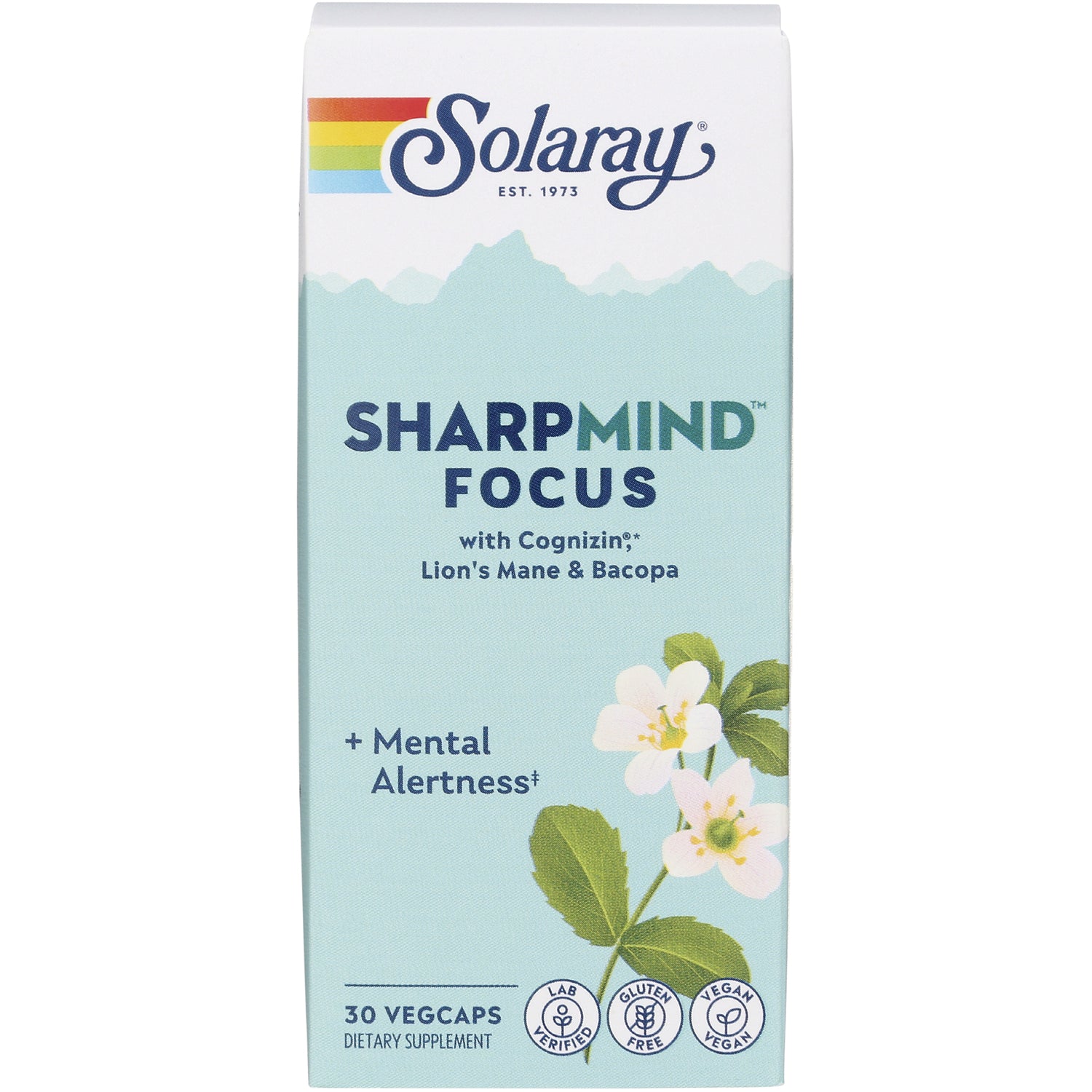
“Health food” has a specific legal meaning in Taiwan: the product must have a permit from the Ministry of Health and Welfare and display the approved certification mark before it can make recognized health-care claims within the permitted scope. Ordinary foods and general supplements are not automatically health foods, and their advertising cannot imply medical effects or make exaggerated promises. A product marketed for concentration, memory, or exam performance should therefore be checked for its product category, ingredient list, serving directions, warnings, and any official permit information. Students should not treat capsules, powders, or herbal drinks as replacements for meals, sleep, or professional advice. Those with allergies, chronic conditions, pregnancy, or regular medication use should consult a qualified healthcare professional before adding a supplement.
A realistic routine for the final week
The final week is better used for consistency than dramatic dietary changes. Students can set regular meal times, prepare two portable snacks, keep water nearby, and test any breakfast plan several days before the examination. A sample schedule might include oats and fruit in the morning, a balanced school lunch, yogurt or nuts during the afternoon, and rice, vegetables, and protein at dinner. The evening before the test, familiar food in a moderate portion is generally more practical than heavy fried meals or multiple caffeinated products. Families can also account for allergies, vegetarian preferences, budget, and access to refrigeration, because a plan that cannot be followed will not support a stable study routine.
Turn nutrition advice into a flexible checklist
Students do not need to meet every nutrition target perfectly at every meal. A useful checklist asks whether the day includes several food groups, a source of protein at main meals, fruit or vegetables, enough fluids for personal comfort, and a caffeine pattern that does not disrupt sleep. If appetite, fatigue, weight changes, gastrointestinal symptoms, or concentration concerns persist, the issue may require individual assessment rather than another advertised product. Registered dietitians, physicians, and pharmacists can help adapt food choices for diabetes, food allergies, eating disorders, medication interactions, or other health needs. Balanced eating is therefore a practical foundation for exam preparation, while academic performance remains influenced by sleep, study strategy, stress, environment, and individual circumstances.
This article is for general wellness reference only. Claims about foods or supplements should be verified against the approvals issued by your local health authority. Consult a doctor or pharmacist if you have a medical condition or special dietary needs. It does not constitute medical advice and is not a substitute for professional diagnosis.