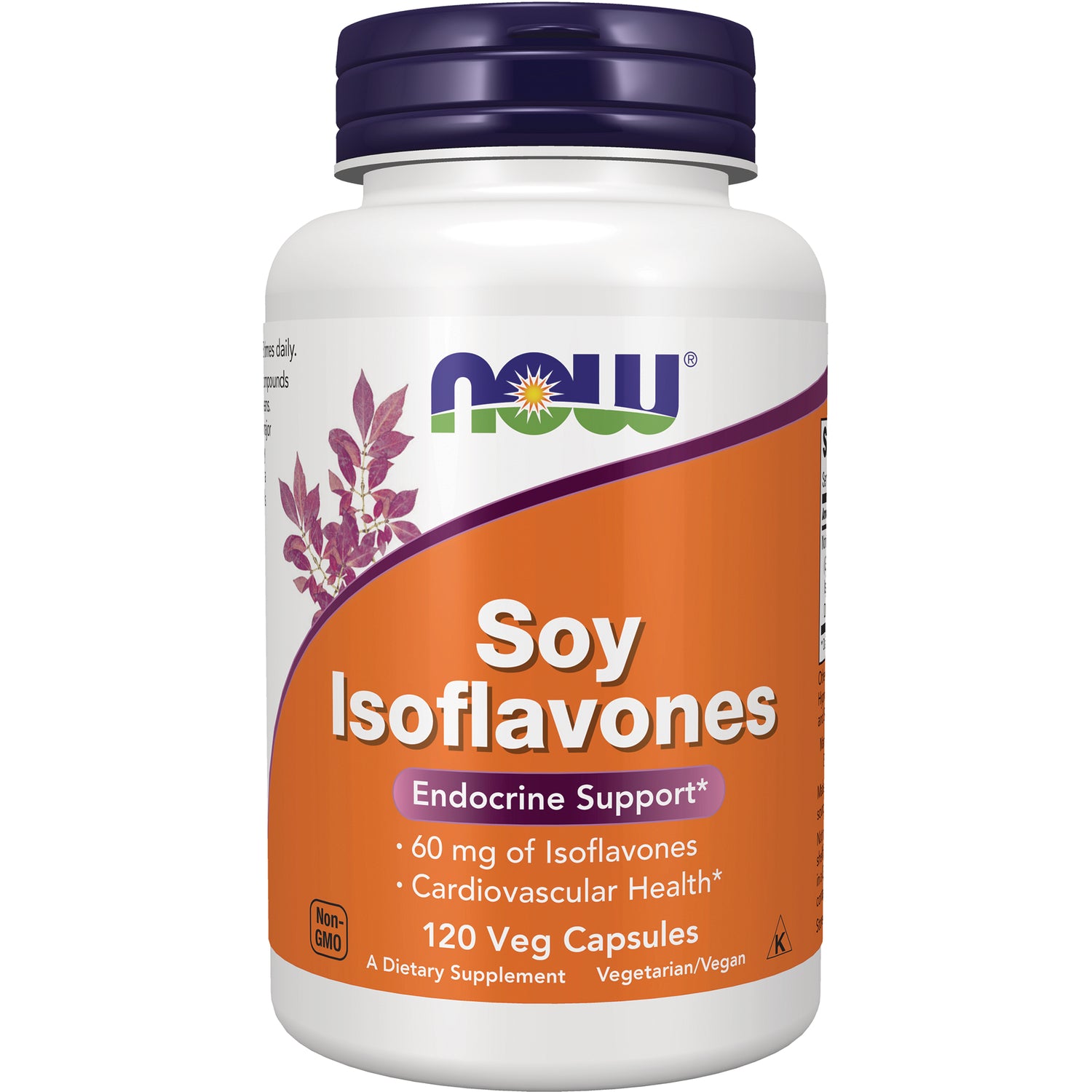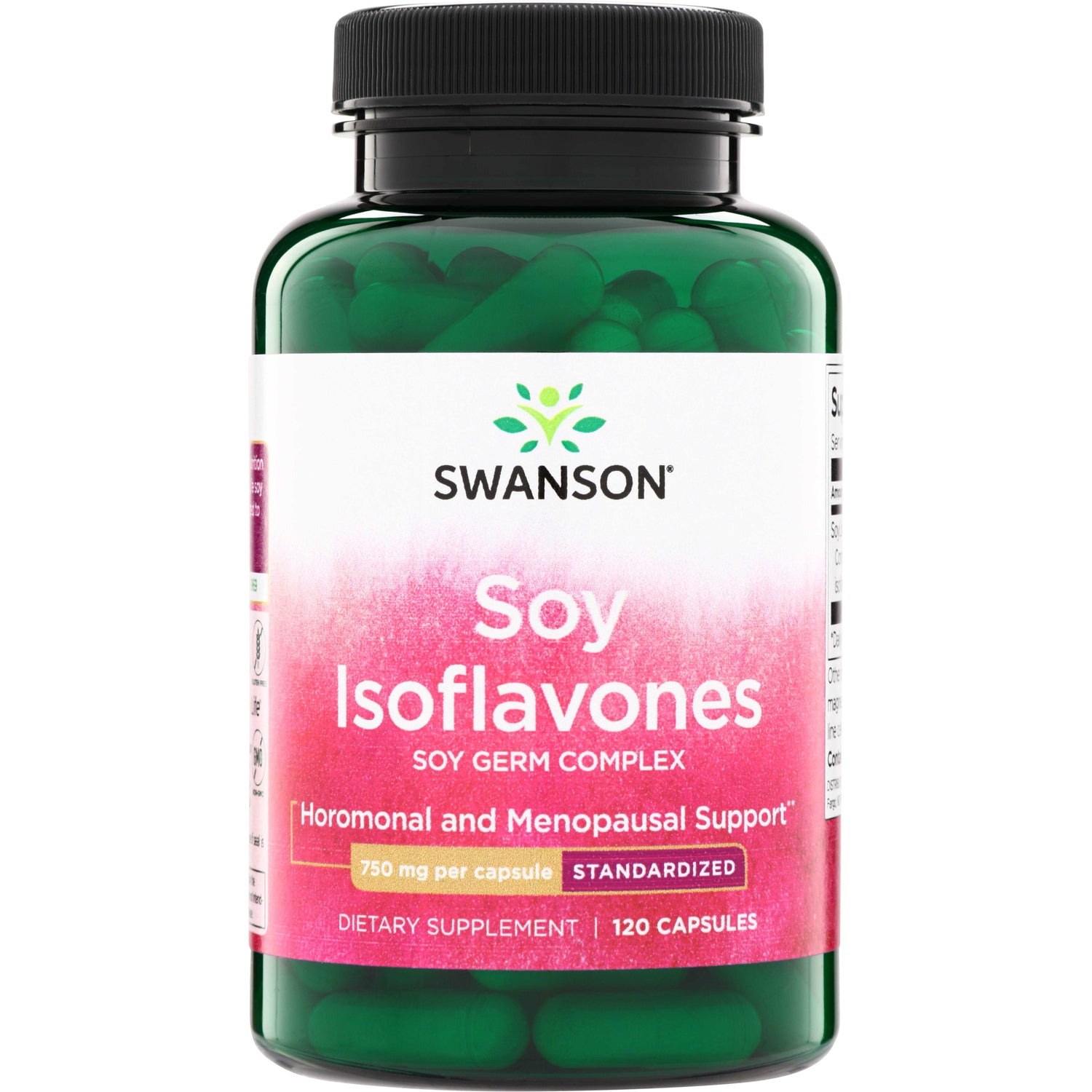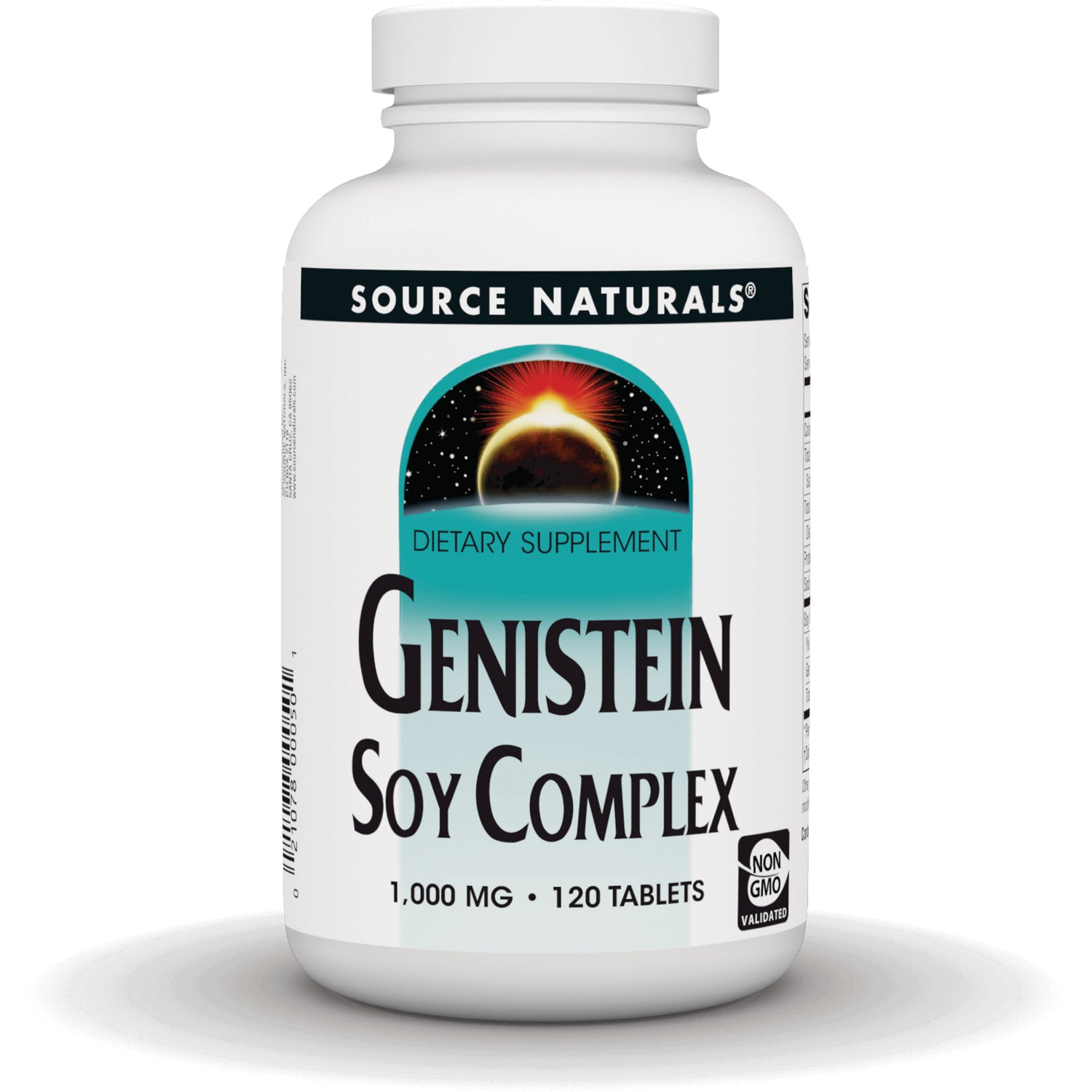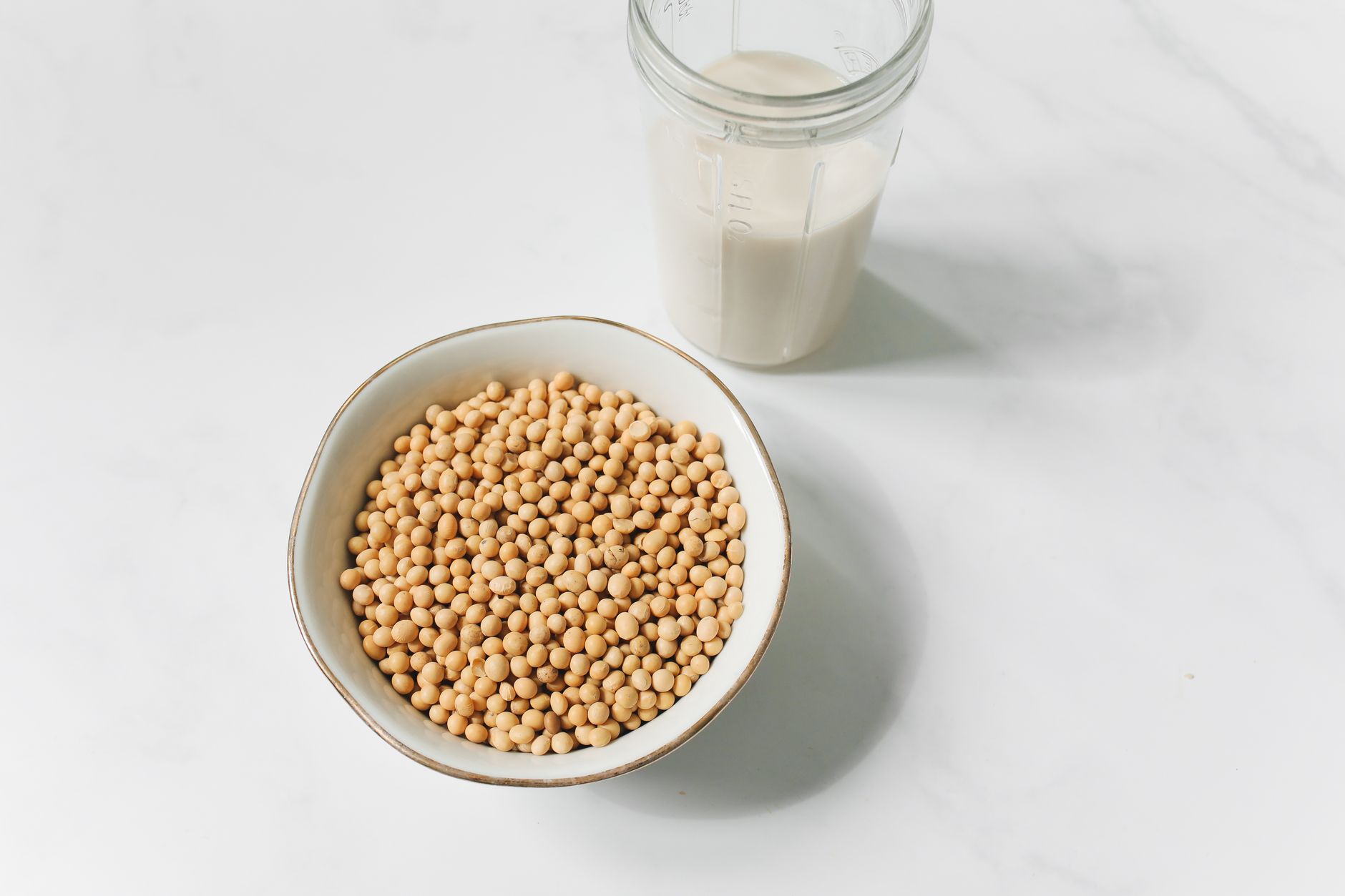
Soy milk and soy isoflavone supplements often appear side by side on supermarket shelves, so it is natural that many people ask whether a glass of soy milk can fully replace a capsule of isoflavones. The two are related, because soy milk is made from whole soybeans and naturally contains isoflavones, but they are not identical in form, dose, or typical usage. Understanding how food sources differ from concentrated extracts helps readers make more informed choices instead of relying on slogans or hearsay. This article looks at practical questions such as usual drinking amounts, absorption, and lifestyle fit, and it also reminds readers to treat health information as reference and to seek professional advice for personal conditions.
What are soy isoflavones and how do they relate to soy milk?
Soy isoflavones are a group of plant compounds found naturally in soybeans and categorized as phytoestrogens because their structure can weakly mimic some actions of human estrogen. In soy milk, these compounds remain present after soaking, grinding, and cooking the beans, though their exact amount depends on factors such as the variety of beans, preparation method, and how much the drink is diluted. A traditional, thicker soy milk made from whole beans tends to contain more of these native compounds than a highly filtered product, but product labels rarely state the precise amount. In contrast, supplements are designed to provide a specified dose per capsule or tablet, usually standardized based on laboratory measurement. This difference in standardization is one of the main reasons food and supplements are discussed separately when people talk about soy isoflavones.
Typical isoflavone intake from soy milk in daily life
When people talk about using soy milk as a source of isoflavones, it helps to look at approximate ranges instead of exact numbers. General nutrition references often estimate that a serving of soy-based food such as a cup of soy milk provides a moderate amount of isoflavones, but values can vary widely across brands and home recipes. A home-brewed soy milk that keeps more of the bean solids is likely to contain more isoflavones than a commercial drink that focuses on a light, smooth mouthfeel. Someone who drinks soy milk once in a while will obtain only occasional intake, while a person who includes one or two cups daily as part of breakfast or snacks builds a more consistent pattern. Even then, daily intake from soy milk is still limited by how much a person can comfortably drink as a beverage, whereas supplements are formulated precisely around target doses. These differences explain why soy milk can contribute to intake but may not match certain supplemental regimens.
Food versus supplements: how they are used in real life
In everyday life, soy milk plays several roles besides providing isoflavones. It serves as a source of plant protein, can replace dairy for people who avoid lactose, and fits naturally into breakfast routines such as pairing with whole-grain toast or cereal. Because it is a food, it also brings fluid, a sense of fullness, and enjoyment, which are important but rarely quantified in studies. Soy isoflavone supplements, on the other hand, are usually taken as capsules or tablets with water, and their usage follows the idea of a fixed daily dose. Some people appreciate this convenience and predictability, especially when they are following advice from a healthcare professional. Others prefer to obtain most nutrients from food because it feels more sustainable or aligns with their personal philosophy. Neither approach is inherently right or wrong; instead, the context of an individual's health status, preferences, and guidance from professionals shapes the best combination.
Considerations for people around menopause
Many discussions about soy milk and soy isoflavones arise among people approaching or going through menopause, because they hear that soy-related compounds are often mentioned in this context. In these life stages, sleep, mood, and body comfort can change, and people naturally look for dietary patterns that feel supportive. Including soy foods such as tofu, natto, or soy milk within a balanced diet can be one way to diversify protein sources and introduce more plant-based options. At the same time, concentrated supplements are sometimes used under professional supervision, which may involve monitoring overall health, medications, and individual risk factors. Since responses can differ from person to person and may be influenced by factors such as gut microbiota and genetics, general articles cannot replace personalized assessment. Readers are encouraged to treat soy foods as part of broader eating habits and to ask doctors or dietitians before adding or changing supplements.
Can soy milk realistically replace soy isoflavone supplements?
From a practical standpoint, soy milk can be an important contributor to soy isoflavone intake, especially for those who drink it regularly and choose products made from whole soybeans. For many people, this food-based pattern is already sufficient for their goals, such as increasing plant protein or enjoying more variety in breakfast choices, without focusing on exact milligram counts. However, when supplements are prescribed or recommended to reach specific standardized amounts, it may be difficult to match those doses simply by drinking soy milk unless one consumes large quantities every day. There is also the question of consistency, because everyday schedules, travel, and taste preferences can affect how often soy milk appears in the diet. For these reasons, soy milk is better viewed as a supportive food within a balanced diet, while decisions about supplement use are best made with guidance from healthcare professionals.
Practical tips for choosing and using soy milk
For readers interested in making soy milk a regular part of their routine, a few practical points can help. Checking ingredient lists is one simple step: drinks made mainly from water, soybeans, and minimal additives tend to be closer to traditional soy milk. Some versions add sugar, flavorings, or other ingredients, so people who watch overall calorie or sugar intake may prefer unsweetened varieties. Preparing soy milk at home allows more control over bean quality and thickness, though it requires soaking, cooking, and proper food safety habits. In terms of timing, many people choose soy milk for breakfast or as a snack between meals, and it can also be blended with fruits or oats. Whatever the pattern, it is useful to look at the whole day’s diet, including vegetables, fruits, other protein sources, and grains, rather than focusing only on one drink.
Including soy milk and thinking about soy isoflavones can be part of learning more about plant-based eating, especially as people adjust their habits in different stages of life. Readers who are curious can start by observing how they feel when they include soy-based foods regularly and discuss these observations during medical or nutrition consultations. It is worth remembering that individual health status, current medications, and personal history all influence what is suitable. Therefore, any information here is offered as general reference and cannot replace assessment or advice from doctors, dietitians, or other qualified professionals.