Sleep quality is shaped by more than a single bedtime product. A practical approach considers the full sleep system: a consistent schedule, evening habits, bedroom conditions, daytime routines, and the way any supplement fits with a person’s health needs. For adults comparing sleep-support capsules, the most useful starting point is not a dramatic promise but a careful review of ingredients, serving directions, labeling, storage, and safety notes.
A supplement can be considered as part of everyday nutritional planning, but it should not replace professional assessment when sleep difficulties persist, repeatedly disrupt daytime function, or occur alongside other health concerns. The American Academy of Sleep Medicine recommends evidence-based behavioral approaches for chronic insomnia rather than relying on sleep hygiene alone. This guide explains how to evaluate options in a measured way and uses three available products as practical examples without treating any product as a medical treatment.
Start with the whole sleep routine
Before comparing capsules, readers should examine the habits that surround bedtime. A regular wake time, a predictable wind-down period, reduced exposure to stimulating content, and a bedroom that feels quiet, dark, and comfortable create a clearer foundation for evaluating any nutritional supplement. Caffeine timing, late meals, alcohol, irregular work shifts, travel, and evening screen use can also shape the sleep experience, so a product comparison that ignores these factors is incomplete.
A simple evening plan may include preparing the next day earlier, dimming lights, choosing a calm activity, and keeping the bed associated with sleep rather than work or scrolling. If someone remains awake for long periods night after night, or feels exhausted and unfocused during the day, the next step should be professional guidance rather than endlessly adding products. Sleep hygiene is useful context, but persistent insomnia may require a structured behavioral program or evaluation for contributing conditions.
How to compare a sleep-support capsule
Ingredient lists should be read as a complete formula rather than judged by one prominent ingredient. Useful comparison points include the named nutrients or extracts, the serving size, the recommended timing, capsule material, storage instructions, expiration information, origin details when provided, and any cautions for people who take medication. A clear label makes it easier to avoid overlapping products and to discuss the choice with a healthcare professional.
Serving directions also matter. One product may specify a daily amount one hour before bed, while another may use a different number of capsules or a different timing window. Taking more than the label instructs is not a sensible shortcut; “natural” does not automatically mean risk-free, and dietary supplements can interact with prescription or over-the-counter medicines. People who are pregnant, breastfeeding, managing a medical condition, taking medication, or preparing for surgery should seek individualized advice before use.
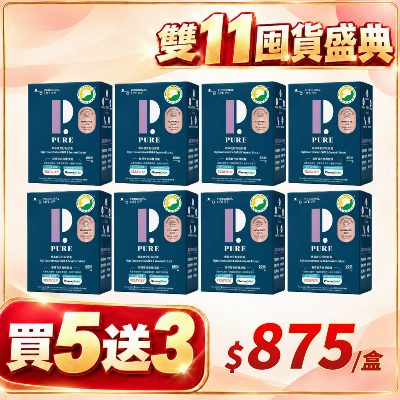
A closer look at 眠萃晚安好眠膠囊 (60顆/盒)
眠萃晚安好眠膠囊 (60顆/盒) can suit adults looking for a clearly defined daily nutritional routine and a formula that combines several named ingredients. Its listed contents include L-tryptophan, a fermented glutamic-acid ingredient containing GABA, a sea-water concentrate containing magnesium, seaweed calcium, sesamin, passionflower extract, jujube seed extract, lily extract, Gastrodia extract, white peony extract, black plum extract, vitamins B6 and B12, and other capsule and processing ingredients. The product description also identifies a 20% high-concentration GABA ingredient, 15 mg of sesamin, six traditional herbal extracts, and certification from the American Vegetarian Association.
The stated use is four capsules daily with warm water, preferably one hour before bedtime, and no more than four capsules per day. The product contains 60 capsules, is made in Taiwan, has a 30-month shelf life, and should be consumed promptly after opening to limit moisture and oxidation concerns. The label also advises people taking medication or feeling unwell to consult a healthcare professional before use. These details make it especially relevant for readers who prioritize a defined bedtime schedule, a multi-ingredient formula, and clear handling instructions.
Two additional formulas for different preferences
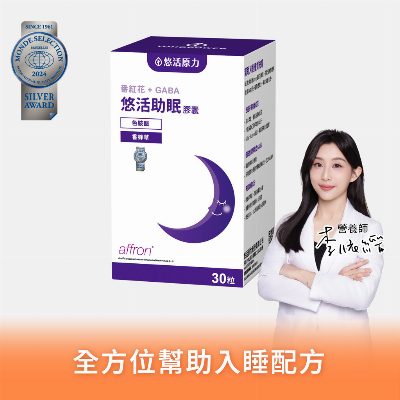
悠活助眠膠囊(30粒) provides a smaller serving format with one capsule listed as 512 milligrams and 30 servings per package. Its ingredients include L-tryptophan, fermented glutamic acid containing 20% GABA, red algae powder, magnesium oxide, calcium phosphate, magnesium glycinate complex, saffron extract, lemon balm extract, magnesium stearate, and vitamins B6 and B12. The stated directions are two capsules with warm water before bed, with storage in a cool, dry place away from direct sunlight and prompt consumption after opening.
TERRA 睡神晚安酵素膠囊 is described as a 30-capsule plant-based capsule product, with two capsules as a serving taken one hour before bedtime. Its listed formula includes mixed amino acids, sesamin extract, GABA, marine magnesium, and a polyphenol blend containing green mint and green tea extracts. The product information states that it is manufactured in Taiwan and has a three-year shelf life. Because the directions and formulas differ, readers should compare the actual label with their own routine rather than assuming that products can be combined or substituted casually.
Common myths about sleep supplements
One common myth is that a supplement can compensate for an inconsistent sleep schedule. A capsule cannot remove the effects of rotating bedtimes, late-night stimulation, or an unsuitable sleep environment, and relying on a product alone can distract from patterns that deserve attention. Another myth is that a longer ingredient list automatically represents a better choice. More ingredients may make the formula more difficult to compare with other products and may increase the importance of checking possible interactions.
A third myth is that changing the serving amount is a harmless experiment. The safer approach is to follow the product label and ask a pharmacist or clinician when medication, chronic illness, pregnancy, breastfeeding, or unusual symptoms are involved. Readers should also avoid treating product descriptions as proof of medical outcomes. A responsible selection process focuses on transparent labeling, realistic expectations, consistent routines, and a plan for reassessment.
Choose by situation, not only by budget
For someone who values a broad formula and a clearly stated four-capsule bedtime routine, 眠萃晚安好眠膠囊 (60顆/盒) offers a detailed ingredient profile and specific usage information. Someone who prefers a smaller package and a formula featuring saffron and lemon balm may instead examine 悠活助眠膠囊(30粒), while checking that its two-capsule direction fits the person’s schedule. Readers interested in plant-based capsules and a formula built around amino acids, sesamin extract, GABA, marine magnesium, and a polyphenol blend may review TERRA 睡神晚安酵素膠囊.
The choice should also account for practical details: whether the person can follow the stated timing, whether storage conditions are convenient, whether the ingredient list overlaps with another supplement, and whether a healthcare professional needs to review the plan. Keeping a short sleep diary can make the evaluation more useful by recording bedtime, wake time, nighttime awakenings, caffeine, alcohol, medications, and next-day alertness without turning the process into a judgment about any single night.
A safer decision checklist
A sound selection process begins with the person’s sleep pattern and health context, then moves to the label. Check the serving size, timing, ingredients, capsule type, storage, shelf life, and cautions. Avoid stacking multiple products with similar ingredients unless a qualified professional has reviewed the combination. Stop and seek medical advice if a new product causes concerning effects or if sleep problems continue despite consistent routine changes.
For persistent or severe sleep disruption, professional evaluation is more appropriate than repeated self-experimentation. Behavioral treatment for chronic insomnia may involve more than basic sleep-hygiene advice, and symptoms such as loud snoring, witnessed breathing pauses, unusual nighttime movements, severe daytime sleepiness, or mood changes deserve attention. Sleep-support capsules may be one part of a personal wellness plan, but the foundation remains regular habits, accurate labeling, and decisions that respect individual safety.
The information in this article is for reference only and does not constitute professional advice. For specific decisions, please consult a relevant professional based on your personal situation.