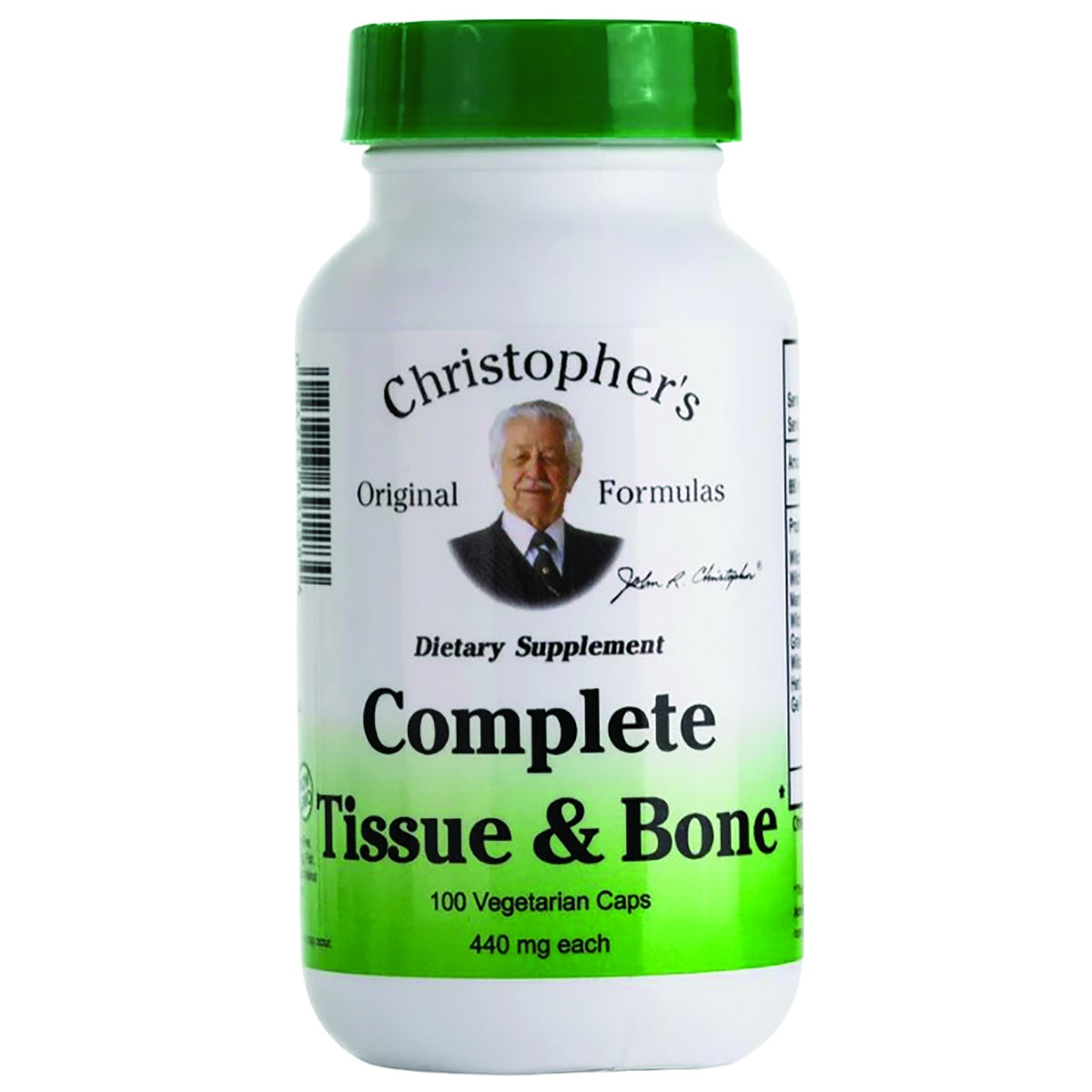
Smoking exposes the body to thousands of chemicals and a large amount of free radicals, making oxidative stress higher than in non-smokers. In simple terms, the body needs more "internal firefighters" to handle this extra oxidative load, and those firefighters are mainly antioxidant nutrients. Many health agencies and dietitians emphasize that nutrition cannot cancel out the harm of cigarettes, but a thoughtful diet may support overall health for people who are still smoking or have just quit. This article focuses on key antioxidant nutrients that smokers should pay attention to, how to obtain them mainly from food, and what to note about supplement safety. All information is for general education and cannot replace individual medical advice.
Why smokers face higher oxidative stress
When tobacco burns, it generates a large number of free radicals and reactive compounds that enter the lungs and circulation. These molecules attack lipids, proteins and DNA, gradually affecting blood vessels, skin, and many organs. Antioxidant systems in the body, such as vitamin C, vitamin E and various enzymes, are consumed more quickly when oxidative stress is high. Research summaries and educational materials for the public often mention that smokers have lower average vitamin C status than non-smokers, and some estimates suggest that each cigarette can significantly increase vitamin C consumption over baseline needs. While specific numbers may vary by study, the consensus is that smokers generally require higher antioxidant intake to maintain similar blood levels. Again, this is not to justify continued smoking, but to explain why diet quality matters even more in this group.
Vitamin C: the frontline water-soluble antioxidant
Among antioxidant nutrients, vitamin C is one of the most discussed for smokers. It is a water-soluble antioxidant widely present in blood and tissues, and it also helps regenerate oxidized vitamin E back to its active form. Observational studies have found that smokers usually have lower blood vitamin C concentrations, even when their food intake appears similar to non-smokers. Some nutrition guidelines therefore recommend a higher daily intake for smokers compared with the general population, often suggesting an additional few tens of milligrams per day. For practical purposes, most dietitians encourage smokers to include vitamin-C-rich foods at multiple meals: citrus fruits, kiwifruit, berries, guava, bell peppers, broccoli and leafy greens are common examples. Focusing on food first also brings fiber and other beneficial compounds that single-nutrient supplements cannot provide.
Vitamin E and fat-soluble antioxidants: food first, dose matters
Vitamin E is a key fat-soluble antioxidant located in cell membranes and blood lipids, where it interacts with lipid radicals. For smokers, oxidative pressure on blood lipids is higher, so maintaining adequate vitamin E from food is important. However, large cohort studies have raised concerns about long-term high-dose vitamin E supplements in current smokers. Some research following tens of thousands of adults reported that smokers taking high-dose vitamin E supplements over time showed an increased risk of lung cancer compared with non-users, especially at intakes well above typical dietary levels. Because of these findings, many experts now recommend that smokers avoid high-dose vitamin E supplements for disease prevention. Instead, they suggest obtaining vitamin E mainly from foods such as nuts, seeds, vegetable oils, avocados and whole grains, where the nutrient comes in a natural matrix along with other beneficial components.
Phytonutrients and colorful plant foods
Beyond vitamins C and E, phytonutrients—such as flavonoids, carotenoids and polyphenols—are often highlighted when discussing smokers and antioxidant intake. Large observational analyses have found that higher fruit and vegetable consumption is associated with a lower lung cancer risk among current and former smokers, even after adjusting for other lifestyle factors. For example, pooled data have shown that each additional 100 grams of fruits or vegetables per day is linked with a modest reduction in lung cancer risk in smokers. These studies cannot prove causation, but they support the idea that a plant-rich eating pattern is beneficial. Rather than focusing on a single "superfood", nutrition professionals frequently suggest aiming for a rainbow of colors across the day: deep green leafy vegetables, orange and red vegetables, berries, citrus, tomatoes, onions, and cruciferous vegetables, each providing a different mix of antioxidants and plant compounds.
Caution with beta-carotene and some high-dose supplements
The story of beta-carotene is a reminder that more is not always better for smokers. Several large randomized trials in the 1990s and later found that high-dose beta-carotene supplements in smokers and asbestos-exposed workers were associated with an increased incidence of lung cancer, rather than a reduction. Follow-up evaluations by regulatory bodies, such as the European Food Safety Authority, concluded that long-term intake of high-dose beta-carotene supplements is not advisable for heavy smokers, and proposed conservative upper levels. Similar caution has been raised regarding long-term high-dose vitamin A (retinol), vitamin B6 and vitamin B12 supplements in current smokers, where some cohort studies observed higher lung cancer risks in heavy supplement users. These findings have led many researchers to advise smokers not to rely on high-dose single-nutrient supplements for lung protection, but to prioritize diversified foods as the main source of antioxidants.
Practical eating strategies for smokers and recent quitters
Translating science into daily habits is often the hardest step. For smokers or those who have recently quit, dietitians commonly suggest starting with simple, sustainable changes rather than complicated regimens. One practical rule is to include at least one fruit or vegetable rich in vitamin C at every main meal, such as citrus at breakfast, bell pepper in a sandwich at lunch, and a generous portion of green vegetables at dinner. Another strategy is to swap some processed snacks for a handful of unsalted nuts and seeds, which supply vitamin E and healthy fats. Drinking water or unsweetened tea instead of sugary drinks can also support general health. For individuals with limited appetite due to long-term smoking, smoothies made with fruits, vegetables and yogurt can be an easier way to increase antioxidant and protein intake without feeling overly full.
When to consider supplements and the role of professionals
Supplements may still have a role in certain situations, for example when a person has clinically diagnosed deficiencies, restricted diets, or difficulty meeting needs due to illness. In such cases, standard-dose multivitamins or specific nutrients may be considered under the guidance of a healthcare professional. For smokers in particular, given the mixed evidence on high-dose supplements, seeking advice from a physician or registered dietitian before starting any long-term regimen is especially important. They can review medical history, medications and lab results, and help choose appropriate types and dosages if needed. Readers should also remember that no nutrient can offset all the risks associated with cigarette smoke. From a public health perspective, quitting smoking remains the most impactful step for health, while a balanced, antioxidant-rich diet plays a supportive role. All information in this article is for general reference only and cannot replace personalized assessment by medical or nutrition professionals.