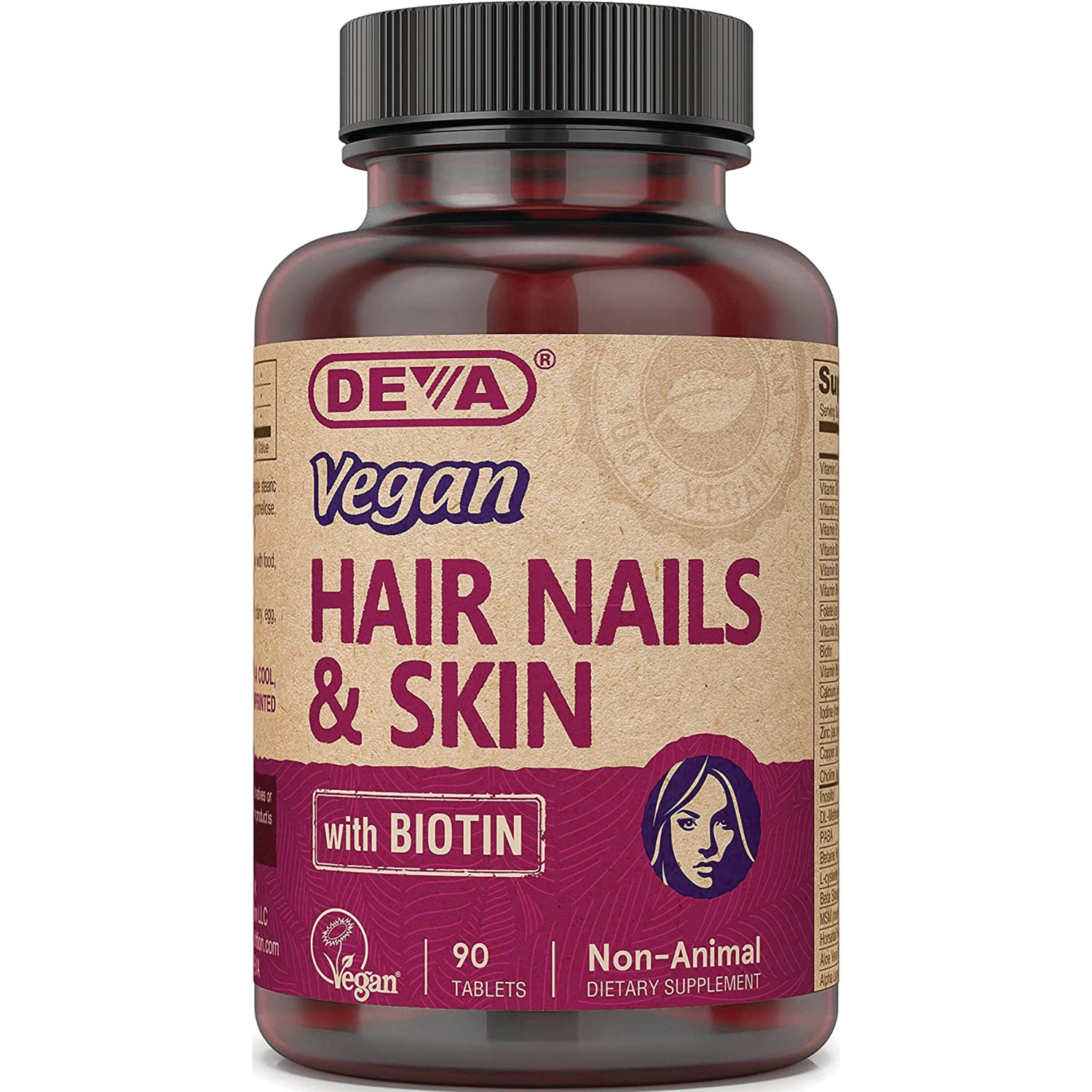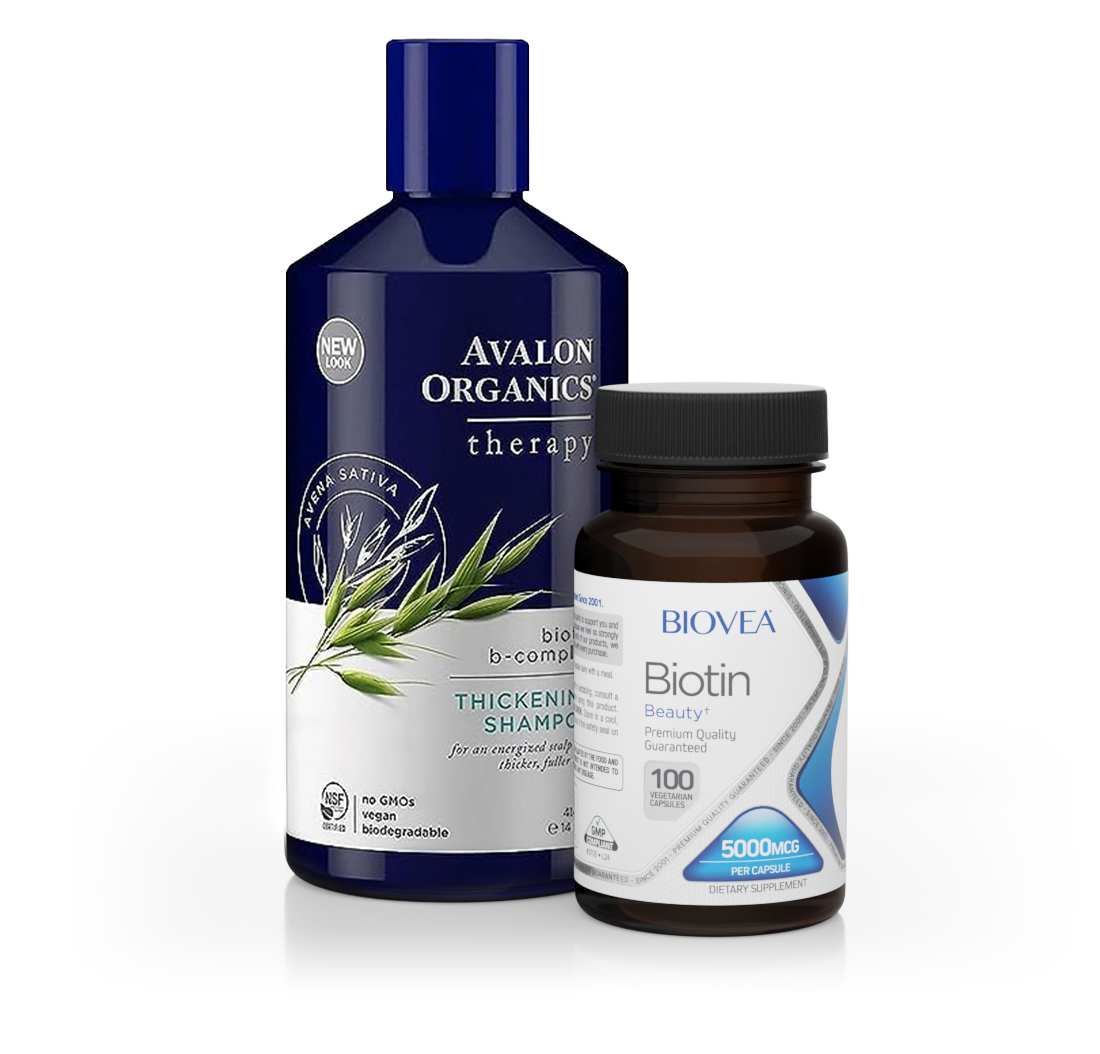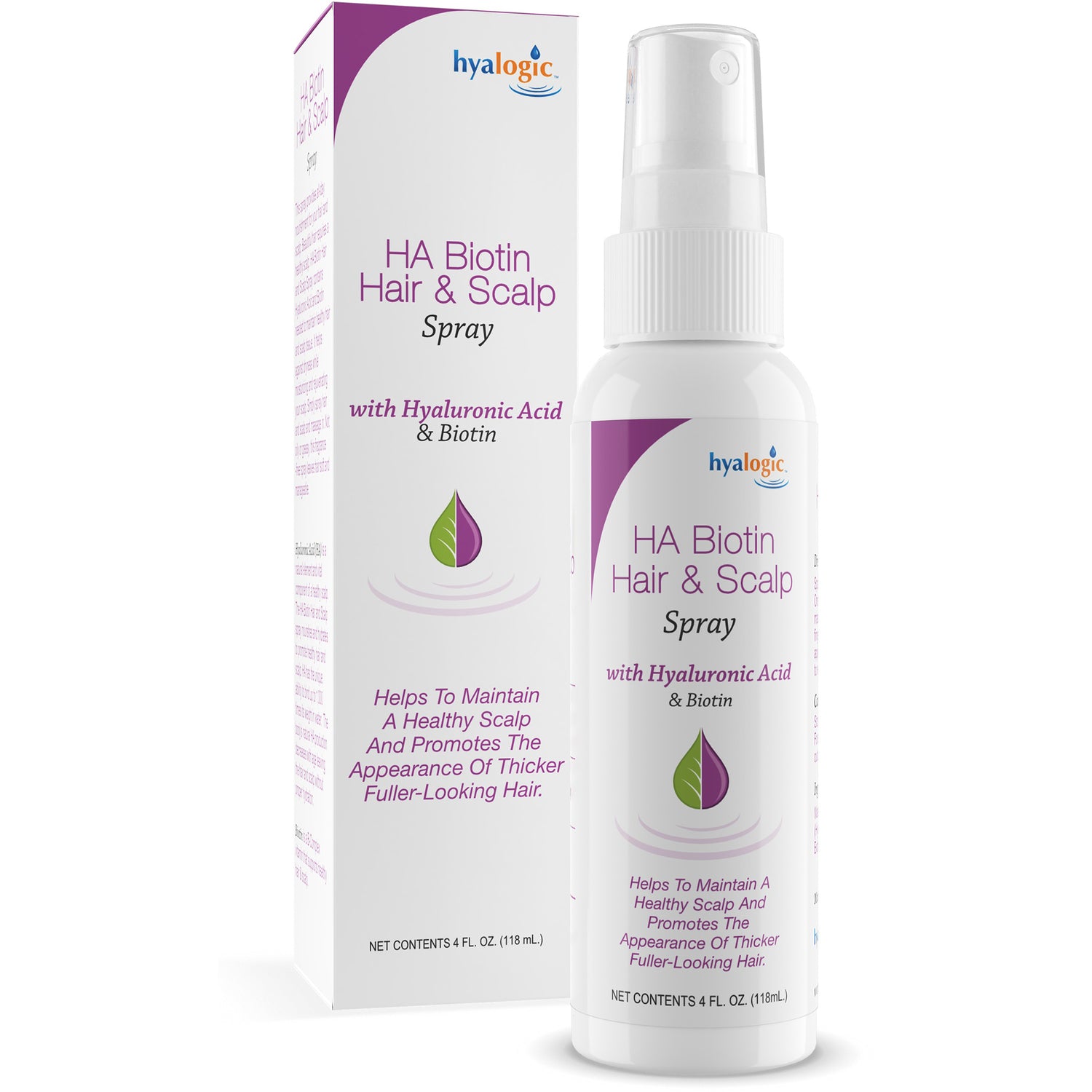
Many people looking for shinier, thicker hair quickly encounter biotin supplements on store shelves. Biotin, also known as vitamin B7, is often marketed as a “hair vitamin” and added to gummies, shampoos, and multivitamins. However, scientific research paints a more nuanced picture. Biotin is essential for the body, but that does not mean taking high doses will automatically transform hair. Understanding what biotin actually does, and in which situations it might be useful, helps readers spend their money more wisely and manage expectations more realistically.
What is biotin and what does it do in the body?
Biotin is a water‑soluble B vitamin that acts as a coenzyme in several key metabolic reactions. It participates in the metabolism of carbohydrates, fats, and proteins, helping cells use nutrients from food for energy and growth. Because of this role, biotin is involved in tissues that renew quickly, such as skin, hair, and nails. It also supports normal function of the nervous system and digestive tract. In everyday life, most people obtain enough biotin from a varied diet and from small amounts produced by gut bacteria. True biotin deficiency is uncommon in healthy adults, but when it occurs, hair and skin changes can be among the visible signs.
How is biotin linked to hair structure?
Hair shafts are largely made of keratin, a structural protein that gives hair its strength and resilience. Biotin helps enzymes that are involved in protein and fatty acid metabolism, which indirectly influences keratin production. When biotin is severely lacking, hair may become thinner, more brittle, or fall out more easily. In those cases, correcting the deficiency can gradually bring hair closer to its usual condition. However, this does not mean biotin acts like a switch that turns on new hair growth for everyone. In people who already have adequate levels, extra biotin appears to have limited impact on keratin formation, so changes in hair thickness or speed of growth are often subtle or not noticeable.
What does research say about biotin and hair growth?
Clinical research on biotin and hair is more limited than marketing claims suggest. Case reports and small studies show that people with confirmed biotin deficiency, or certain rare hair and nail disorders, may notice improved hair quality after supplementation. On the other hand, for generally healthy individuals with typical diets, larger controlled trials have not clearly demonstrated that high‑dose biotin alone leads to dramatic hair regrowth. Many commercial products also combine biotin with other nutrients, making it difficult to separate the effect of biotin from ingredients such as zinc, iron, or amino acids. Overall, current evidence supports a cautious view: biotin is important for normal hair biology, but it is not a universal solution for pattern baldness, hormonal hair loss, or all thinning hair situations.
Who might benefit most from biotin for hair?
Biotin supplementation tends to be more relevant in situations where intake or absorption is reduced. Examples include long‑term consumption of large amounts of raw egg whites, which contain avidin, a protein that binds biotin in the gut. Certain medications, such as some anti‑seizure drugs, and conditions that affect nutrient absorption may also be associated with lower biotin status. People with very restrictive diets, heavy alcohol use, or rare inherited metabolic conditions can be at higher risk. In these groups, a healthcare professional may consider checking for deficiency and, if needed, recommending biotin within appropriate ranges. For others, focusing on overall nutrition, iron and vitamin D status, stress management, and scalp care often has equal or greater importance than biotin alone.
Food sources of biotin and realistic intake levels
For many readers, improving food choices is a practical first step. Biotin is found in a variety of common foods, which makes it relatively straightforward to reach usual intake levels through meals. Egg yolks, liver, and other organ meats contain higher amounts, while salmon, tuna, and other fish also contribute. Plant sources include nuts, seeds, sweet potatoes, spinach, and whole grains, offering options for different dietary patterns. Because biotin is water‑soluble, cooking methods such as boiling may reduce the content slightly, whereas steaming or baking can preserve more. Combining animal and plant sources across the week generally covers daily needs without the need for high‑dose pills in most healthy adults.
Safety, side notes, and lab test interference
In commonly used doses, biotin is considered to have a wide safety margin, and excess amounts are usually excreted in urine. However, very high doses can interfere with certain laboratory tests, especially some hormone and cardiac marker assays that rely on biotin‑based technology. This issue has led medical organizations to remind patients to inform their doctors about any biotin supplements before blood tests. Some users also report skin changes such as breakouts when suddenly starting large doses, although individual experiences vary and other factors may be involved. Anyone who is pregnant, has chronic conditions, or takes multiple medications should discuss supplement plans with a healthcare professional rather than relying solely on online recommendations or social media trends.
Biotin and other causes of hair loss
It is important to remember that hair thinning has many potential causes beyond micronutrient intake. Genetics, hormones, aging, autoimmune conditions, scalp diseases, major illness, rapid weight change, and psychological stress can all influence hair density. In such situations, addressing only biotin might not lead to meaningful improvement, even if the supplement is otherwise safe. Dermatologists and trichologists can help identify patterns such as androgenetic alopecia or telogen effluvium and suggest targeted strategies. These may include prescription treatments, lifestyle adjustments, or management of underlying medical conditions. Biotin can be one part of a broader conversation about hair health, but it should not delay appropriate medical evaluation when hair loss is sudden, severe, or accompanied by other symptoms.
Practical takeaways and when to seek advice
For readers wondering whether to buy a biotin product for better hair, a balanced approach works best. Ensuring a varied diet with regular sources of biotin and other key nutrients is a sound foundation. Supplements may be considered if there is a suspected deficiency, restricted eating pattern, or professional recommendation, but expectations should stay modest rather than focusing on dramatic transformations. Because this topic touches on health decisions, the information in this article is for general education and does not replace personalized medical advice. Those experiencing persistent or distressing hair loss are encouraged to consult a doctor or qualified specialist to explore possible causes and discuss suitable options, including whether biotin has a role in their specific situation.