Many people see vitamin B5 or panthenol on skin and hair product labels without really knowing what it does. Pantothenic acid, also known as vitamin B5, is a water‑soluble B‑complex vitamin that plays a central role in energy metabolism and is present in every cell. It is naturally found in foods like eggs, whole grains, legumes and meat, and in cosmetics it often appears as panthenol, a provitamin that can be converted to B5 in the skin. This article explores how vitamin B5 relates to skin and hair health, how it is used in skincare and haircare products, and what to keep in mind when thinking about diet or supplements. All information is for general education and does not replace advice from healthcare professionals.
What is pantothenic acid (vitamin B5)?
Pantothenic acid belongs to the B‑complex family and is known for its role in producing coenzyme A, a key molecule in the metabolism of carbohydrates, fats and proteins. Because it is water‑soluble and found in many different foods, outright deficiency is considered relatively uncommon in people who eat a varied diet. In skincare and haircare discussions, B5 often appears in two forms: pantothenic acid itself in oral products, and panthenol in topical products. Panthenol is more stable in cosmetic formulas and can be converted to pantothenic acid in the skin, which is why it is popular in moisturizers, serums, shampoos and conditioners. Understanding these forms helps consumers read ingredient lists more confidently and choose products that match their routine and preferences.
How vitamin B5 relates to skin barrier and moisture
When people talk about vitamin B5 for skin, they are usually referring to its role as a moisturizing and conditioning ingredient rather than as a dramatic active. Panthenol is considered a humectant, meaning it attracts and holds water in the outer skin layers, which can make the skin feel softer and more supple. It is frequently used in products designed for dry, tight or wind‑exposed skin, especially during colder seasons or in air‑conditioned environments. Some laboratory and clinical research suggests that panthenol may support the skin barrier by influencing lipid synthesis in the outermost layer, which can be relevant for skin that feels rough or easily irritated. These effects are generally described as supportive rather than transformative, and results vary depending on product formulation and individual skin condition.
Comfort for sensitive or stressed skin
Panthenol is popular in products marketed for sensitive or stressed skin because it is usually well tolerated and has a low risk of irritation compared with many stronger actives. It is often combined with ingredients like glycerin, ceramides and mild surfactants in cleansers, toners and creams aimed at people who experience occasional redness, tightness or flakiness. After procedures such as laser treatments or cosmetic peels, some professionals recommend products containing panthenol as part of a gentle routine; this is based on its hydrating and conditioning properties, not on any claim to treat medical conditions. Individual reactions can still occur, so patch testing new products on a small area is a reasonable step, especially for those with very reactive or allergy‑prone skin. Anyone with chronic skin diseases should consult a dermatologist before relying on cosmetic products alone.
Vitamin B5 and hair: shine, feel and manageability
In haircare, panthenol is widely used in shampoos, conditioners and leave‑in treatments for its ability to coat the hair shaft and improve the feel and appearance of strands. Because it is water‑attracting, it can help hair feel smoother and more conditioned, which many users describe as less frizz and easier detangling. Panthenol is often highlighted in formulas aimed at dry, chemically treated or heat‑styled hair that tends to look dull or brittle. It may also appear in scalp‑care products, where its soothing and moisturizing qualities are valued for people who experience dryness or tightness after washing. While marketing sometimes links B5 with stronger or thicker hair, current evidence mainly supports cosmetic benefits such as shine and softness rather than structural changes deep within the hair follicle.
Dietary sources of vitamin B5
For most healthy adults, vitamin B5 intake comes primarily from everyday foods, not from topical products. Common sources include whole grains, eggs, milk, legumes, nuts, poultry, fish and a variety of vegetables, especially some leafy greens and mushrooms. Because pantothenic acid is widely distributed in both plant and animal foods, a balanced eating pattern tends to provide adequate amounts for general metabolic needs. Food preparation methods can influence B5 levels, as the vitamin is water‑soluble and some can be lost in cooking water or through excessive processing. People who rely heavily on highly refined foods and rarely eat whole grains, beans or fresh produce may have lower intakes overall. However, concerns about deficiency or specialized dietary needs should be discussed with a registered dietitian or physician rather than managed only through self‑diagnosis.
Supplements and topical products: what to consider
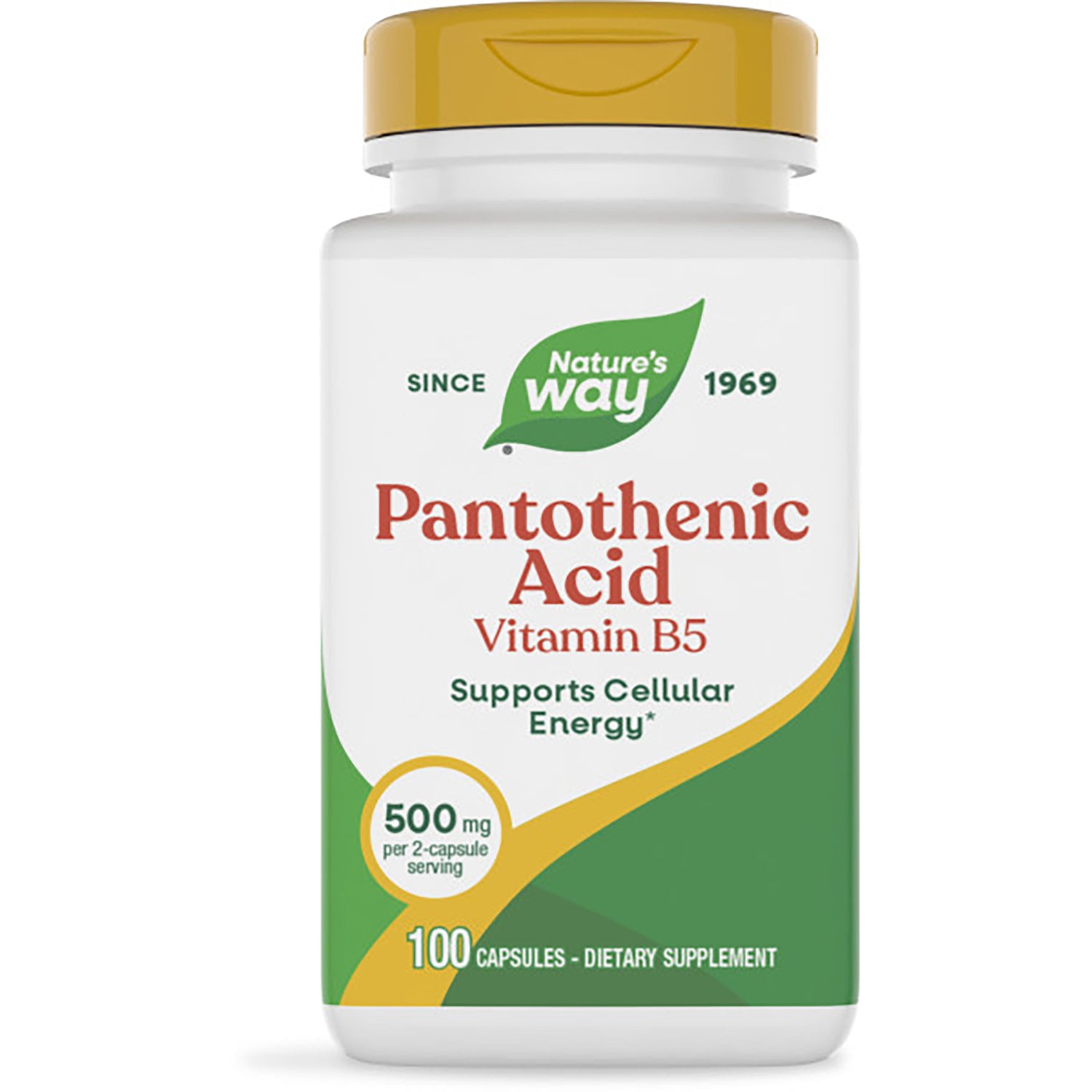
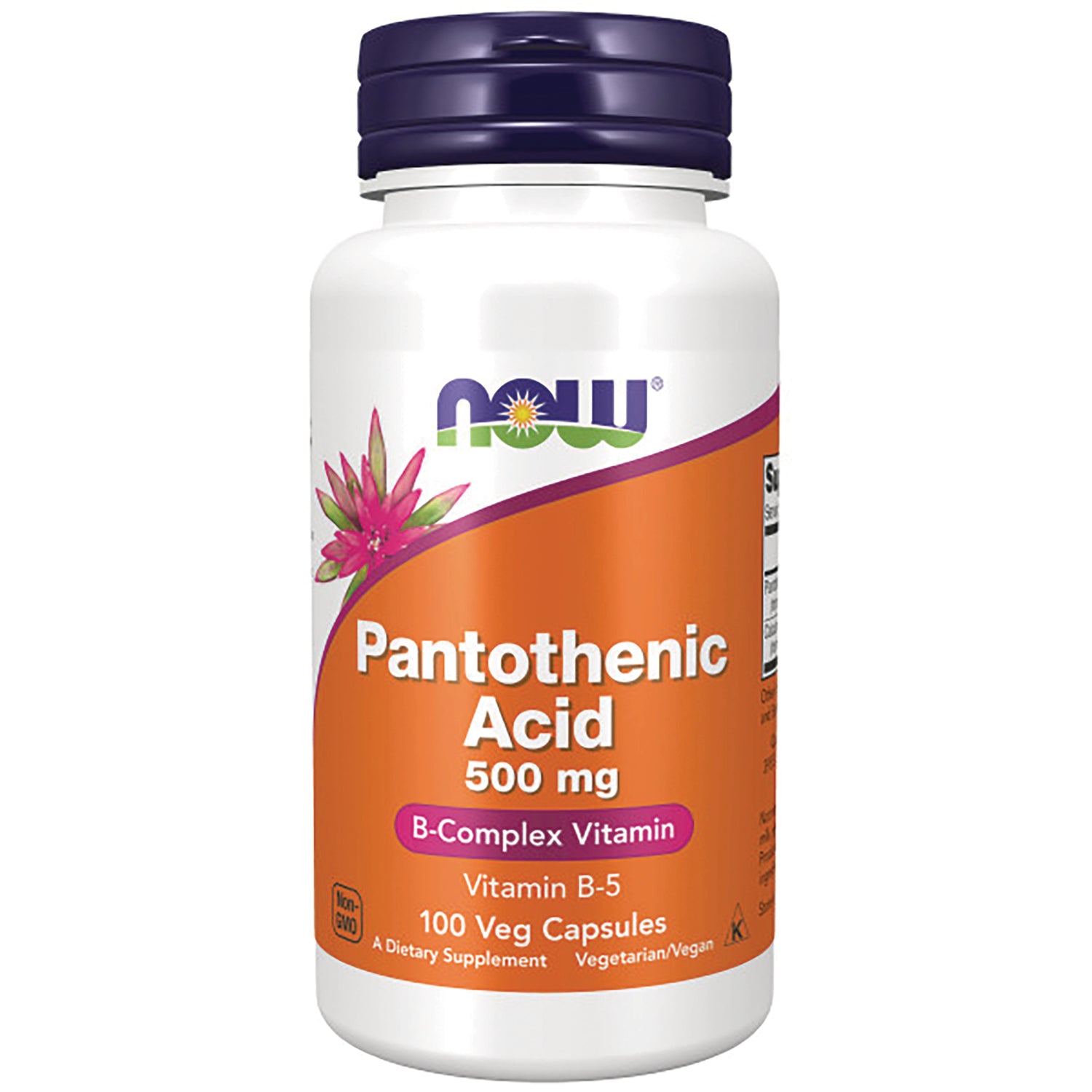
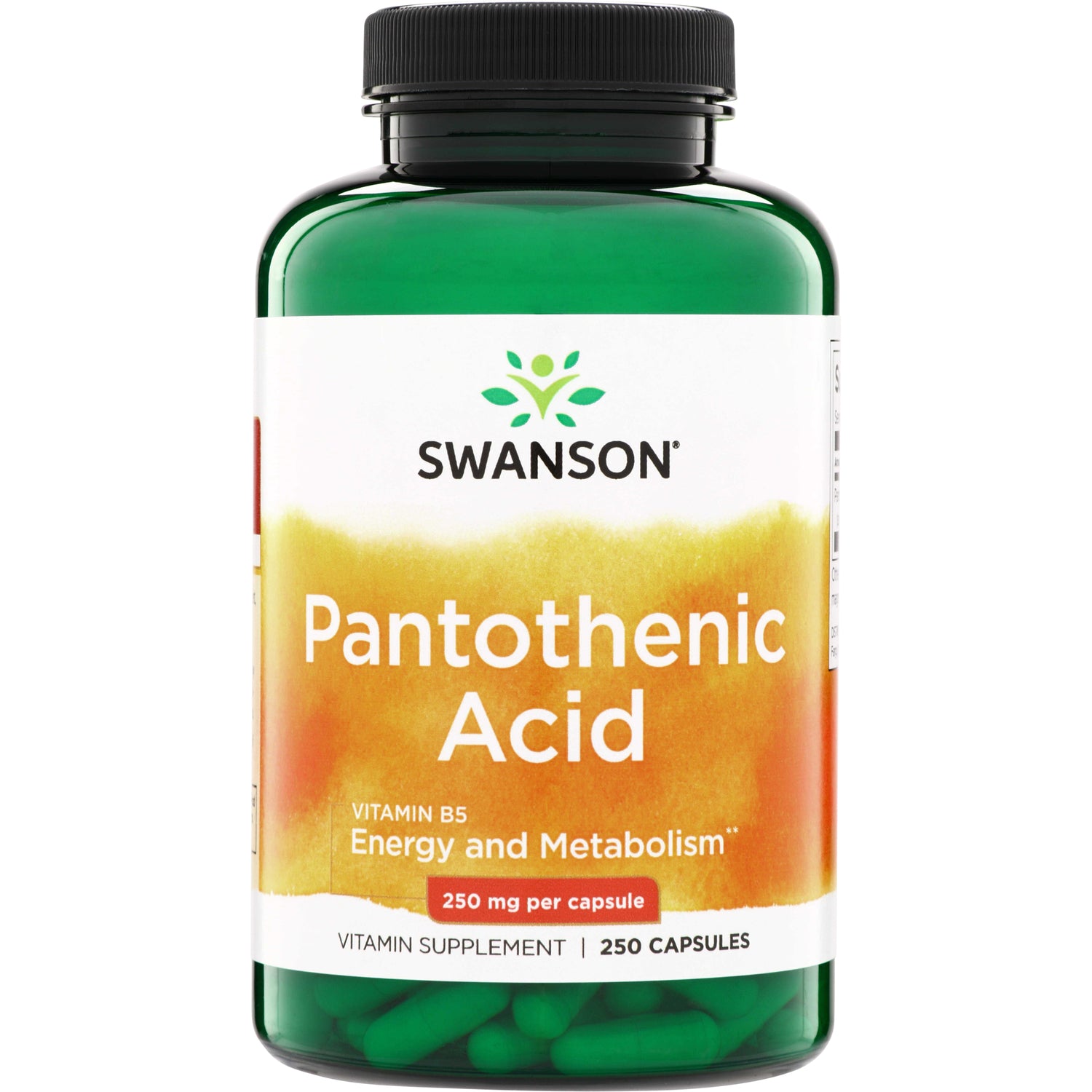
Vitamin B5 is available both as a standalone supplement and as part of B‑complex formulas, and panthenol is found in a broad range of cosmetic products. For supplements, quality standards, dosage and potential interactions with other nutrients or medications need to be evaluated with a healthcare professional, particularly for pregnant or breastfeeding individuals, older adults or those with chronic conditions. People interested mainly in skin or hair cosmetic benefits often start with topical panthenol products because they act directly on the surface where the effect is desired. Texture preferences also matter: some choose light lotions or serums for daily use, while others prefer richer creams or hair masks for occasional intensive care. Since responses differ by individual, tracking how the skin or scalp feels over several weeks is more informative than expecting immediate visible change.
Practical tips and important caveats
Anyone curious about vitamin B5 for skin and hair can start by checking ingredient lists for “panthenol” in moisturizers, after‑sun lotions, shampoos or leave‑in treatments they already own. In a daily routine, panthenol‑containing products are commonly used after cleansing, before sunscreen in the morning or as part of a simple night routine paired with bland moisturizers. People with very oily or acne‑prone skin may prefer light, non‑comedogenic formulas to avoid a heavy feel, whereas those with dry or mature skin often enjoy richer textures. It is also worth remembering that overall skin and hair condition is influenced by sleep, stress, environment and general nutrition, not by a single vitamin alone. All content in this article is intended for informational purposes only and should not be taken as medical advice; individuals with specific health concerns are encouraged to seek guidance from qualified healthcare providers.