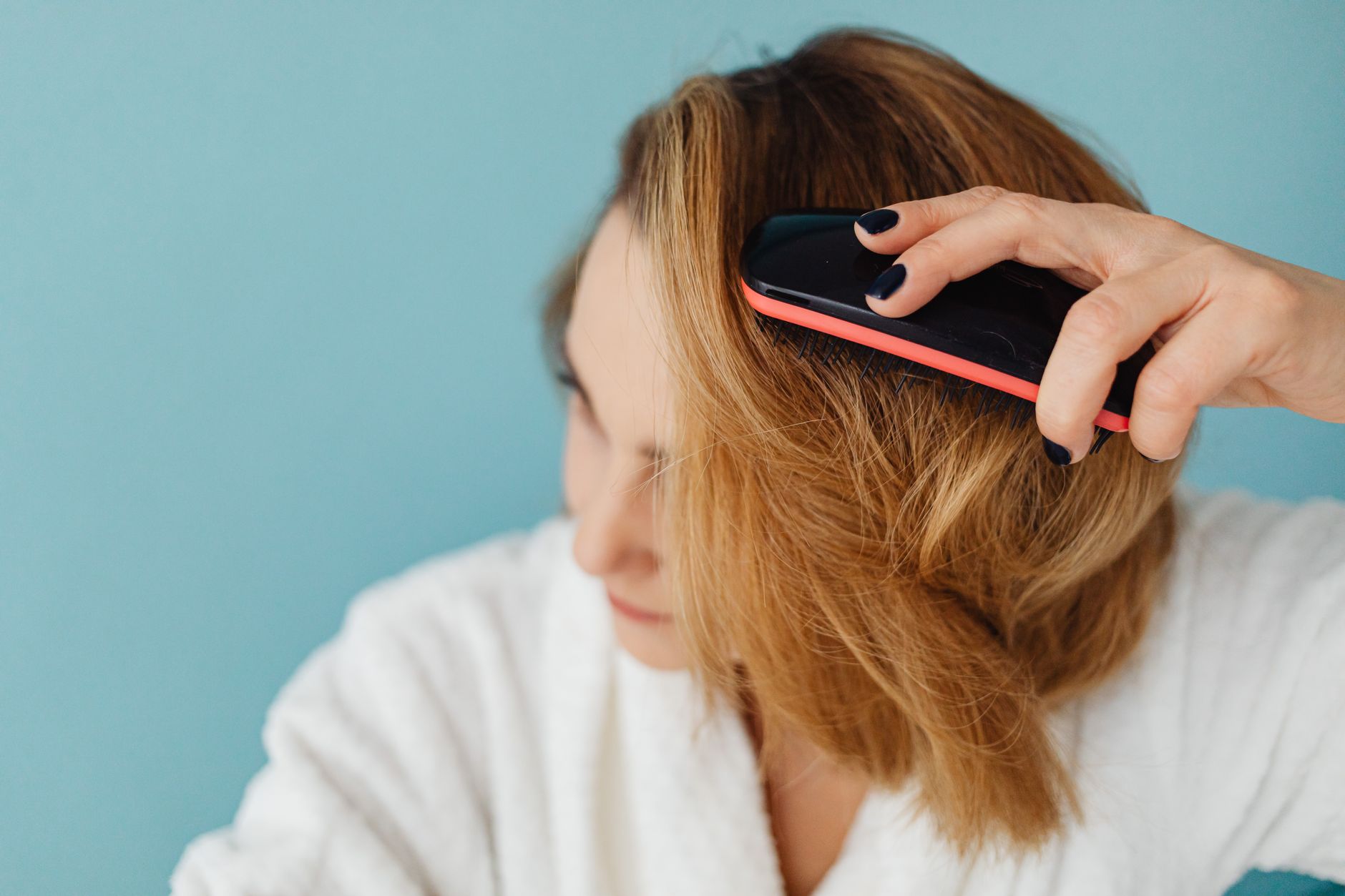
Postpartum hair shedding can feel alarming, especially when more strands appear on a pillow, in the shower, or around a baby’s changing mat. In many cases, shedding begins around three months after childbirth because the hair-growth cycle is shifting after pregnancy, and it may continue for several months. Nutrition is one part of postnatal care, but no supplement can be used as a promise of a particular hair result. A practical approach is to review diet, sleep, breastfeeding needs, medical history, and product labels together rather than choosing a capsule based only on a hair-related marketing phrase.
Understand what postpartum shedding may mean
Postpartum shedding is often diffuse, meaning hair appears thinner across the scalp rather than forming one sharply defined bald patch. Cleveland Clinic describes it as commonly appearing about three months after delivery and often lasting up to six months, while Johns Hopkins notes that some people notice changes for six to twelve months after giving birth. These time ranges are not a personal diagnosis, and continued heavy shedding, patchy loss, scalp changes, fatigue, or other symptoms deserve professional assessment. Iron status and thyroid function may be among the points a clinician considers when hair loss does not follow an expected pattern.
The first selection principle is therefore do not treat shedding alone as proof of a nutrient shortage. Pregnancy, delivery, sleep disruption, dietary restriction, blood loss, breastfeeding, and existing health conditions can overlap. A balanced eating pattern with adequate protein, iron-containing foods, vegetables, fruit, and fluids provides a foundation, while blood tests and professional advice can clarify whether supplementation is appropriate. This distinction also prevents a common mistake: taking several overlapping products at once without checking the total intake of iron, folate, or B vitamins.
Choose by nutritional context, not hair claims
A useful supplement checklist begins with the person’s actual routine. Someone recovering from a demanding delivery may need to review iron intake with a clinician, while a breastfeeding parent may already be using a prenatal or postnatal multivitamin. The label should be read for active ingredients, serving directions, allergens or ingredients of personal concern, storage instructions, and the possibility of duplicated nutrients. “More” is not automatically more suitable, and a supplement should not replace meals or a medical evaluation when symptoms are persistent.
It is also important to distinguish Taiwan’s legal term health food from the everyday phrase “health supplement.” In Taiwan, the formal term refers to products with an approved health-food permit, and approved claims must remain within the registered scope. Ordinary foods and supplements should not be presented as products that diagnose, prevent, or address disease. For postpartum readers, careful wording matters: a product may be described as a source of selected nutrients or as an option for daily nutritional planning, but it should not be framed as a guaranteed answer to hair shedding.
How to assess 每日鐵複方錠
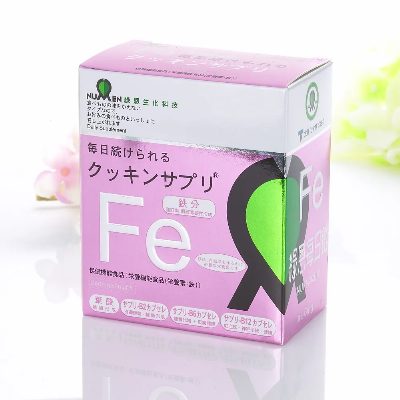
每日鐵複方錠 (daily iron complex tablets) combines iron pyrophosphate, folic acid, vitamin B2, vitamin B6, and vitamin B12, along with microcrystalline cellulose, lactose, maltodextrin, magnesium stearate, and sodium aluminosilicate. The container includes 90 tablets, with a stated shelf life of 36 months. These details make the product relevant to readers comparing an iron-and-B-vitamin formula, but they do not establish that it is suitable for every postpartum person or that it will change an individual hair cycle.
The stated intake is one to two tablets daily, with a separate direction for preschool children of one tablet daily; total daily intake should not exceed seven tablets. Because postpartum routines can involve breastfeeding, prenatal products, prescribed iron, digestive sensitivity, or conditions that affect iron use, the package directions should be read alongside advice from a physician or pharmacist. The product should be stored in a cool, dry place away from direct sunlight. For anyone considering it after delivery, the practical questions are whether iron is already present in another product, whether a clinician has identified a reason to use additional iron, and whether the label fits the person’s dietary plan.
Common myths about postpartum hair supplements
One frequent myth is that a supplement designed around hair language will automatically address postpartum shedding. Hair changes after childbirth are closely related to the hair-growth cycle, so a nutrient product cannot be treated as a shortcut or a substitute for assessment. Another myth is that breastfeeding itself proves a person needs a high-dose formula. Breastfeeding can change nutritional demands and daily routines, but the right choice still depends on diet, existing supplements, health history, and professional guidance.
A third misconception is that taking several products with similar ingredients creates a stronger plan. Combining a prenatal multivitamin, an iron product, a beauty supplement, and fortified drinks may create unnecessary overlap. Readers can write down every supplement, compare ingredient panels, and ask a pharmacist about timing or duplication. If shedding lasts beyond the expected period, becomes patchy, or appears with scalp inflammation or systemic symptoms, the priority should shift from shopping to clinical evaluation.
Match the choice to everyday needs
For a person who wants a clearly listed iron-and-B-vitamin formula and has reviewed iron use with a professional, 每日鐵複方錠 offers a straightforward option to compare against the label criteria above. It may also suit someone who prefers a 90-tablet format and can follow the stated daily directions. That does not make it appropriate for every postpartum reader: people with prescribed supplementation, known intolerance to listed ingredients such as lactose, or questions about breastfeeding should seek individualized advice before use.
For someone already taking a prenatal product, the main need may be ingredient comparison rather than adding another formula. For someone with a highly restricted diet, irregular meals, or a history of low iron, a clinician may recommend checking nutrition status instead of relying on appearance or online testimonials. For someone whose shedding is mild and within the usual postpartum window, regular meals and observation may be more sensible than immediately stacking products. In every situation, the decision should be based on nutritional context, label clarity, and safety considerations rather than a promise of rapid hair regrowth.
A practical postnatal routine
A manageable routine begins with meals that include protein sources, iron-containing foods, vegetables, fruit, and suitable carbohydrates, adjusted for personal preferences and cultural eating patterns. The next step is an inventory of current products, including prenatal vitamins, fortified beverages, and any formula recommended after delivery. The inventory can be taken to a pharmacist or clinician, especially when breastfeeding, taking medication, managing anemia, or considering an additional iron product.
During the following months, readers can note when shedding began, whether it is diffuse or patchy, and whether other symptoms appear. Avoiding tight hairstyles and harsh chemical processing may reduce mechanical stress on fragile hair, but these habits do not replace nutrition or medical assessment. If hair loss continues substantially beyond the expected recovery window, or if there are bald patches, scalp discomfort, marked fatigue, or other concerns, professional evaluation is the appropriate next step rather than escalating supplement intake independently.
Postpartum hair loss is best approached as a broader recovery question, not a single-product problem. The most reliable selection process checks the hair-loss pattern, overall diet, existing supplements, breastfeeding or medication context, and the exact label directions. 每日鐵複方錠 can be considered when its listed nutrients and usage instructions fit an individual plan, but the final decision should remain grounded in personal health information and qualified advice.
This article is for general wellness reference only. Claims about foods or supplements should be verified against the approvals issued by your local health authority. Consult a doctor or pharmacist if you have a medical condition or special dietary needs. It does not constitute medical advice and is not a substitute for professional diagnosis.