Edible bird’s nest has long been viewed as a luxurious delicacy in East and Southeast Asia, often associated with beauty, vitality, and refined hospitality. In recent years, ready‑to‑drink bird’s nest and snack products have made it more accessible to younger consumers who may be curious about what they are really paying for. This article focuses on what modern nutrition research can say about bird’s nest nutrition, how it compares with everyday foods, and where popular beauty and wellness myths may go beyond current evidence. The goal is not to praise or dismiss bird’s nest, but to help readers make informed choices based on realistic expectations.
What exactly is edible bird’s nest?
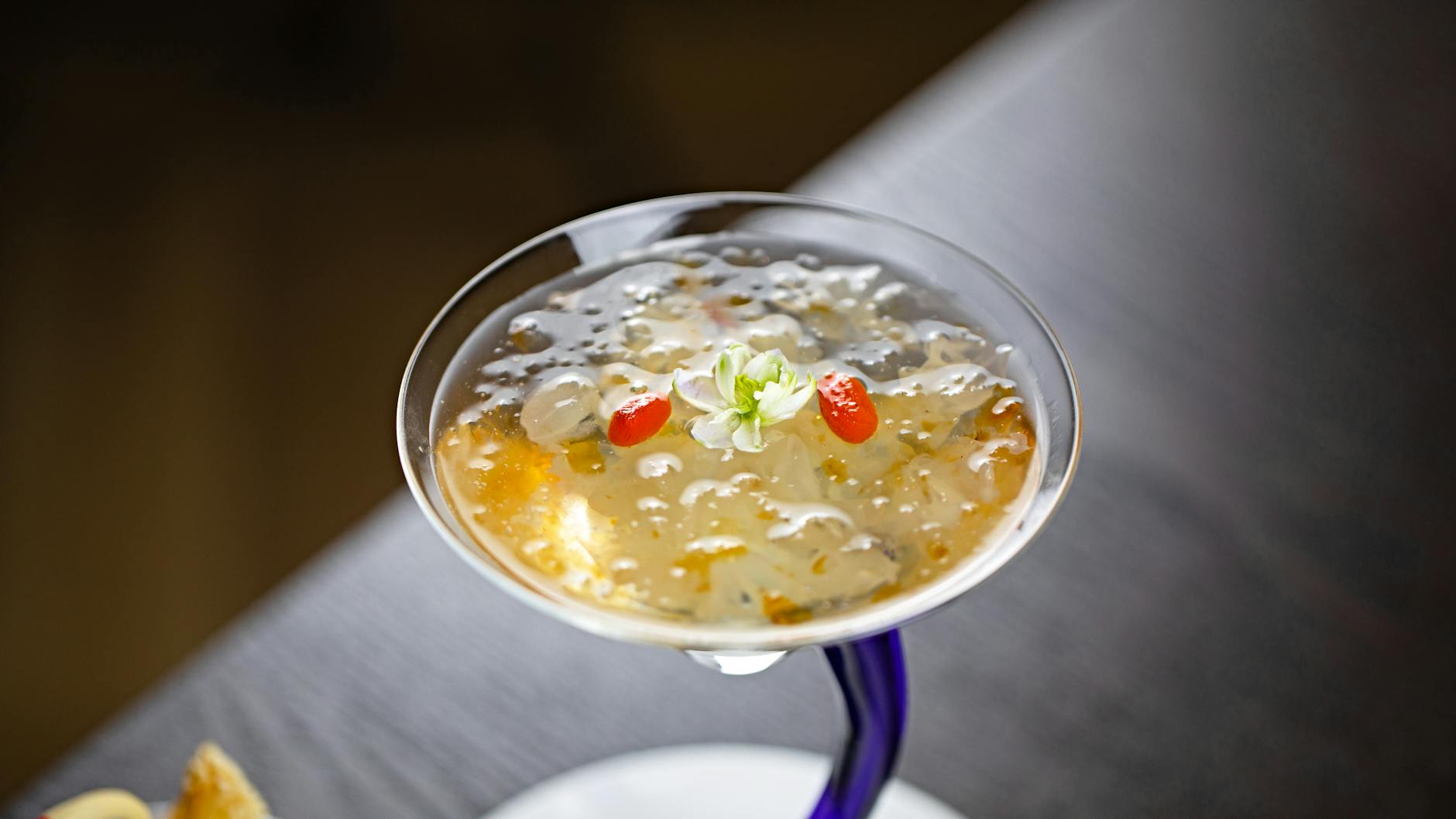
Edible bird’s nest is made primarily by swiftlets, which build their nests from salivary secretions mixed with a small amount of feathers or plant fibers. After harvesting, nests are cleaned to remove impurities and usually stewed with rock sugar to make a mildly sweet dessert. From a cultural perspective, bird’s nest has been considered a premium traditional tonic food for centuries, served at banquets, during confinement, or as a respectful gift for elders. However, modern nutrition discussions focus less on its prestige and more on what nutrients it provides per serving, how often it is eaten, and whether there is evidence for its claimed beauty or wellness benefits.
Key nutrients in bird’s nest: protein, carbs and minerals
Dry bird’s nest is mainly composed of protein and carbohydrates, with smaller amounts of minerals and trace vitamins. Analyses from Asia commonly report around half of the dry weight as protein and roughly one‑quarter to one‑third as carbohydrates, plus minerals such as calcium, iron, phosphorus, sodium, potassium, and trace iodine. These figures can vary with species, origin, and cleaning methods, so they should be seen as ranges rather than fixed values. Once soaked and cooked in water, the texture becomes gelatinous and the overall nutrient density per 100 grams of dessert is much lower than the dry nest because of dilution, which is important when comparing it with everyday foods like eggs or tofu.
Sialic acid: the most talked‑about component
One of the most discussed components of bird’s nest is sialic acid, sometimes marketed as “bird’s nest acid”. In dry nest, sialic acid is estimated at close to a tenth of the total protein fraction, making bird’s nest one of the richer food sources of this compound. Sialic acid also occurs naturally in human breast milk, cow’s milk, eggs, and cheese, and has been studied for its role in cell communication and brain development. Some marketing materials imply that sialic acid from bird’s nest has special or unique properties, yet human bodies can synthesize sialic acid from other nutrients as well. Current research is still exploring how much dietary sialic acid from different foods matters for adults in everyday intake levels.
Growth factors and peptides: how solid is the evidence?
Bird’s nest is sometimes promoted as containing epidermal growth factor (EGF), nerve growth factor (NGF), or special bioactive peptides that are linked to skin repair or brain function. Laboratory studies have suggested that certain extracts from bird’s nest can influence cell behavior in controlled settings. However, translating these findings to real‑life eating habits is complicated. When bird’s nest is digested, proteins and peptides are broken down into smaller fragments and amino acids, so it is unclear how much of these laboratory effects remain after normal cooking and digestion. At present, these growth‑factor claims are better viewed as an area of ongoing research rather than guaranteed outcomes for beauty or cognition.
Comparing bird’s nest with common protein foods
When people hear that bird’s nest is “rich in protein”, they may imagine it is comparable to meat, eggs, or milk on a per‑portion basis. In dry form, bird’s nest is indeed high in protein by percentage, but daily portions are usually very small, often just a few grams of dry nest simmered into a bowl of dessert. Because of this modest serving size and the water added during cooking, the absolute protein intake from one bowl is typically less than from a single egg or a portion of tofu. Nutrition professionals therefore tend to see bird’s nest as a supplementary protein source, rather than a main provider of essential amino acids in the diet. For most people, basic protein needs are more efficiently covered by affordable foods such as eggs, dairy, legumes, fish, and lean meats.
Beauty and skincare myths: what can bird’s nest realistically offer?
Bird’s nest is widely associated with beauty care myths, especially claims related to glowing skin, firmness, and anti‑aging. These beliefs often arise from its texture, its traditional status as a tonic, and the presence of sialic acid and amino acids. From a scientific perspective, skin health is influenced by many factors: overall diet quality, sun exposure, sleep, stress, and skincare routines. Bird’s nest can contribute small amounts of protein and certain nutrients, which may be part of a generally balanced diet that supports skin structure. However, it should not be expected to replace sunscreen, moisturizers, or medically proven treatments, and individual experiences such as “brighter skin after drinking bird’s nest” are subjective and may also reflect lifestyle changes, hydration, or placebo effects.
Bird’s nest in pregnancy and family traditions
In many Chinese families, bird’s nest is offered to pregnant women or new mothers as a symbol of care and status. Some small studies and reviews have explored possible roles of sialic acid and certain amino acids in fetal development, especially by comparing breast‑fed and formula‑fed infants, but those findings are not specific to bird’s nest. When considering bird’s nest during pregnancy, the main practical points are food safety, budget, and whether the mother has any history of food allergies. Obstetricians and dietitians often prioritize overall energy intake, iron, folate, calcium, and other well‑established nutrients. Bird’s nest may be included as an occasional delicacy if the family enjoys it, yet it should not replace prenatal supplements or balanced meals. For personalized guidance, pregnant readers are advised to discuss any traditional tonics with their healthcare professional.
Allergy risks and who should be cautious
Despite its refined image, bird’s nest is not risk‑free. Clinical reports from parts of Asia describe bird’s nest as a potential allergen, especially among children with a history of multiple food allergies. Because it is rich in specific proteins, sensitive individuals may experience reactions ranging from skin symptoms to, in rare cases, serious allergy episodes. People who are already allergic to eggs or other animal proteins may wish to be especially cautious and consult a doctor or allergist before trying bird’s nest products. In addition, commercial products may contain added sugar, flavorings, or other ingredients that some consumers prefer to limit for reasons such as blood glucose control or personal dietary preferences.
How to enjoy bird’s nest sensibly
For consumers who appreciate the taste, texture, or cultural meaning of bird’s nest, it can be enjoyed as an occasional traditional tonic food rather than a primary nutrient source. Paying attention to portion size, sugar content, and product quality can make it easier to fit into a balanced eating pattern. Many people find it satisfying as a light dessert in the evening or a small treat during special occasions, paired with fresh fruit or other nutrient‑dense foods. Those with specific health concerns, pregnancy, or known allergies are encouraged to seek advice from medical or nutrition professionals before making bird’s nest a regular part of their routine. All health‑related information in this article is for general education only and does not replace personalized medical consultation.