A practical comparison, not a slogan
When people ask whether collagen or pork knuckle is “more useful,” they are usually comparing two very different things. Collagen is often sold as a supplement, while pork knuckle is a food that contains protein, fat, and connective tissue, so the answer depends on what the person wants to get from the meal.
If the goal is to understand daily eating, beauty routines, or elder nutrition, the useful comparison is not price alone. It is whether the food fits the person’s protein needs, cooking habits, and appetite, and whether it is being chosen for convenience, flavor, or a specific supplement routine.
What collagen supplements are designed to do
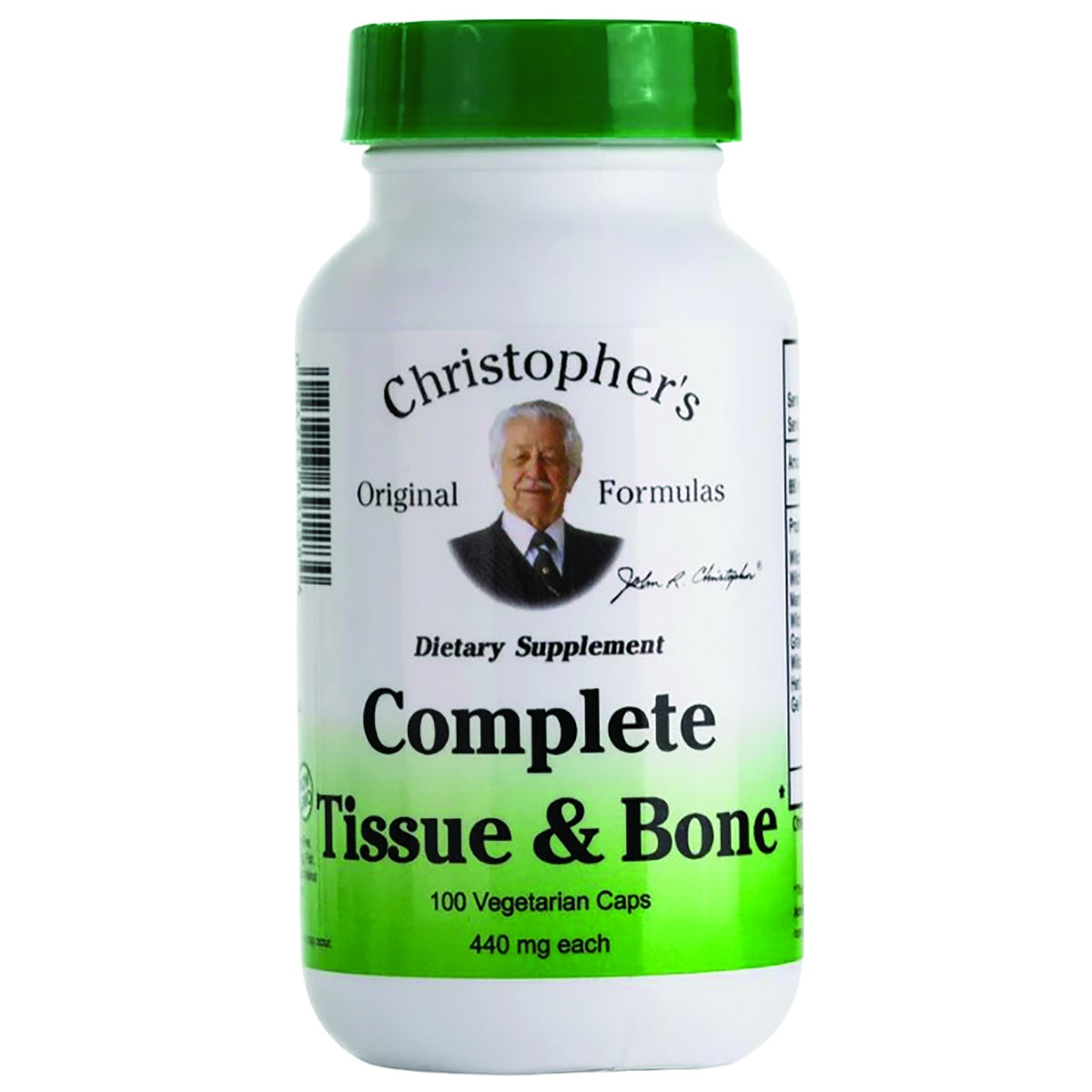
Collagen supplements are typically marketed as hydrolyzed collagen or collagen peptides, which means the protein has been broken into smaller pieces for easier consumption. Several nutrition articles report that collagen is used in beauty and joint-related routines, especially for people who want a simple daily supplement rather than a full meal.
Still, collagen is not a complete replacement for ordinary protein foods. It is a source of amino acids, but it is not the same as whey, eggs, fish, tofu, or meat when the goal is broad protein intake. For readers who track supplements, it is best viewed as a targeted add-on rather than a universal nutrition shortcut.
What pork knuckle actually provides
Pork knuckle is a traditional dish with skin, connective tissue, and meat, so it naturally contains collagen-like tissue along with fat and protein. In home cooking, it is often associated with stews, soups, and festive meals, which makes it very different from a capsule, powder, or drink. The main benefit is that it is real food with satiety and a familiar eating format.
However, pork knuckle is also a richer, heavier dish than many people expect. Someone looking for a high-protein weekday lunch may find it too fatty or too calorie-dense, while someone preparing a family dinner or a comfort-food meal may value its texture and flavor more than any supplement-style promise.
The collagen content question
A common misunderstanding is that eating pork knuckle automatically gives the same result as taking collagen powder. In reality, the body digests both foods into smaller amino acids and peptides, and the final nutritional outcome depends on the whole meal, not just one ingredient. Collagen-rich tissues may fit a specific dietary pattern, but they do not create a special shortcut by themselves.
This is why nutrition sources often point out that collagen is not the first choice when the goal is general bone or protein support, and that other nutrients matter too. For everyday eating, the broader picture includes total protein, vitamin C intake, overall calories, and long-term diet quality.
Which one fits which situation
For a busy office worker who wants a simple supplement routine, collagen powder may be easier to use than cooking pork knuckle. For someone who wants a satisfying meal with family, pork knuckle may be more practical because it functions as part of a full plate rather than a standalone nutrient product.
The choice also changes by age and lifestyle. A gym user may care more about total protein distribution across the day, while an older adult may prefer a soft, warm dish that is easy to chew. In that sense, the “more useful” option is the one that fits the eating scenario, not the one with the louder label.
A sensible way to decide
Instead of asking which one is universally better, it is more useful to ask what problem the person is trying to solve. If the goal is convenient supplement use, collagen is the clearer option. If the goal is a traditional meal with texture and fullness, pork knuckle may be more appropriate.
For readers comparing beauty trends, family meals, or protein choices, the key is to treat both as different tools. One is a supplement category, the other is a food dish, and their value changes with portion size, cooking method, and overall diet balance.