High stress can disrupt ordinary eating patterns. Men working long hours, caring for family members, training intensely, or managing financial pressure may skip meals, rely on takeaway food, or use coffee and alcohol as convenient ways to get through the day. Nutrition cannot replace professional care or address the underlying source of stress, but a consistent eating pattern can make daily routines more stable and reduce the likelihood of large gaps between meals. A practical approach is to build meals around protein foods, vegetables or fruit, whole grains, and unsaturated fats, while treating caffeine, alcohol, and highly processed snacks as choices that deserve attention rather than automatic coping tools.
Start with a dependable meal structure
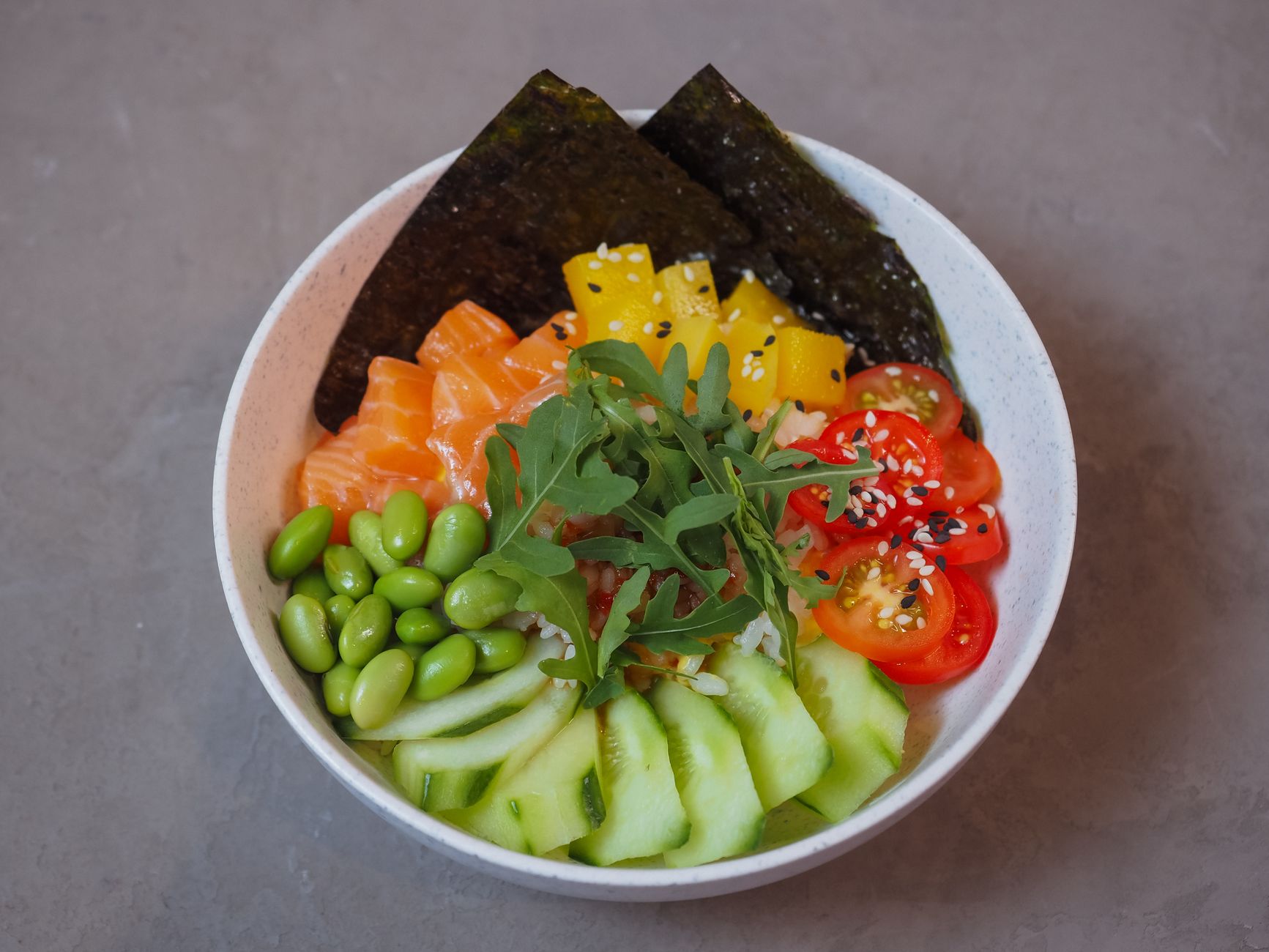
When stress is high, complicated meal plans often fail because they require too much decision-making. A simpler structure is to aim for three eating occasions, or two meals plus a planned snack, with each meal containing a protein source, a fibre-rich carbohydrate, and produce. Greek yogurt with berries and oats, eggs on whole-grain toast with fruit, or a rice bowl with salmon, vegetables, and beans can fit this pattern without demanding elaborate cooking. Dietary guidance commonly emphasizes nutrient-dense foods from vegetables, fruits, grains, dairy or fortified alternatives, and varied protein foods, while limiting added sugars, saturated fat, and excess sodium. Portion size still depends on body size, activity, medical history, and goals, so general guidance should not be treated as a personal prescription.
For men who regularly miss lunch, preparation can be more useful than motivation. A workday kit might include unsalted nuts, a piece of fruit, a whole-grain sandwich, and plain yogurt, while a freezer can hold portions of lentil soup, chicken, brown rice, or vegetable chilli. Eating something balanced before extreme hunger develops may also make it easier to choose a reasonable dinner instead of ordering the largest available meal. People with diabetes, kidney disease, digestive conditions, food allergies, or a history of disordered eating should seek individualized advice from a qualified clinician or registered dietitian.
Choose protein foods without making meals repetitive
Protein is useful for building satisfying meals, but high stress does not create a need for unlimited protein powders, steak, or supplements. A varied rotation can include eggs, chicken, turkey, fish, tofu, tempeh, beans, lentils, peas, unsalted nuts, seeds, and lower-sugar dairy or fortified alternatives. The 2020–2025 Dietary Guidelines for Americans describe protein foods broadly, including seafood, lean meats and poultry, eggs, beans, peas, lentils, nuts, seeds, and soy products. This variety can make meals more practical and can reduce dependence on processed meats or restaurant meals that are often high in sodium.
A useful example is to match the protein choice to the situation. Canned tuna or beans can make a quick desk lunch, eggs can serve as a fast breakfast, and tofu or lentils can be added to a weeknight stir-fry. For someone who exercises after work, a meal containing protein and carbohydrate may be more practical than a supplement taken automatically. Protein needs vary with age, body size, training, total diet, and health status, so products marketed specifically to men should not be assumed to be necessary. Ingredient lists, added sugar, serving size, and third-party testing matter more than aggressive performance claims.
Make whole grains, plants, and omega-3 foods regular choices
Whole grains, vegetables, fruit, beans, and other fibre-rich foods provide texture and variety while making meals less dependent on refined snacks. Oats, whole-grain bread, barley, brown rice, quinoa, and whole-wheat pasta can replace some refined options in familiar meals rather than requiring a completely new diet. Harvard’s Nutrition Source notes that balanced eating supports normal body needs during stressful events, while early research has examined vegetables and polyunsaturated fats, including omega-3 fats, in relation to stress biology. These findings do not establish that one food treats stress, but they support choosing a broad dietary pattern instead of searching for a single “stress-relief” ingredient.
Omega-3 foods can be included through salmon, sardines, trout, mackerel, walnuts, chia seeds, and ground flaxseed. A practical weekly pattern might use oily fish in a grain bowl, walnuts in oatmeal, or chia and fruit in yogurt. Anyone with seafood allergies, bleeding concerns, a planned procedure, or regular medication use should ask a healthcare professional before taking concentrated fish-oil products. Food-first choices are often easier to incorporate, but supplements may still require careful review because dose, purity, interactions, and personal medical circumstances differ.
Handle caffeine, alcohol, and convenience food deliberately
Coffee can be part of a normal routine, yet stress, poor sleep, and large caffeine doses may create an uncomfortable cycle for some people. Harvard guidance describes about four cups of brewed coffee as an amount considered safe for healthy adults, but individual sensitivity varies and beverages differ substantially in caffeine content. A person who notices late-day alertness, racing sensations, stomach discomfort, or disrupted sleep can record timing and amount for several days, then move caffeine earlier or reduce it gradually. Energy drinks deserve particular caution because a single container may combine substantial caffeine with added sugar and other stimulants.
Alcohol is not a reliable nutrition strategy for coping with pressure, and regular use can add calories while interfering with sleep and decision-making. Dietary guidance in the United Kingdom advises no more than 14 units per week for men and women, while other guidance uses daily limits; these standards are not permission to drink, and some people should avoid alcohol entirely. During busy evenings, sparkling water, tea without added sugar, or a prepared non-alcoholic drink can provide a replacement ritual. Takeaway food can still fit an ordinary diet when users choose a dish with vegetables, a protein source, and a portion of rice, potatoes, or whole grains, then save highly salty extras for occasional use.
Use a realistic plan for work, training, and travel
A nutrition plan becomes more sustainable when it is designed around real schedules rather than ideal ones. Office workers may need portable breakfasts and lunches, shift workers may need meals that can be eaten safely at irregular times, and active men may need additional food around training without turning every snack into a supplement. A simple template is to keep one shelf-stable option, one refrigerator option, and one freezer option available: nuts and fruit, yogurt and boiled eggs, or prepared soup and grain portions. This reduces the chance that a stressful day leaves only vending-machine snacks as the available choice.
Restaurants and delivery menus can be approached with small decisions instead of rigid rules. Choose grilled, baked, steamed, or bean-based dishes when available; add vegetables; request sauces separately; and select water or an unsweetened drink most of the time. Meal timing also matters for comfort: a large, heavy meal immediately before sleep may be unhelpful for some people, particularly when reflux or disturbed sleep is already present. Tracking meals briefly can reveal patterns such as skipping breakfast, eating most calories late at night, or using caffeine to replace food, but tracking should remain practical and should stop if it increases anxiety or restrictive behaviour.
Know when food advice is not enough
Nutrition can support a steadier routine, but persistent stress may require attention beyond the plate. Ongoing worry, low mood, irritability, sleep disruption, loss of appetite, binge eating, increased alcohol use, or difficulty functioning at work can warrant discussion with a doctor or mental-health professional. Sudden changes in weight, severe fatigue, chest discomfort, fainting, or thoughts of self-harm require prompt professional attention rather than an online nutrition plan. Supplements marketed for testosterone, energy, sleep, or stress should be reviewed carefully because “natural” does not automatically mean safe, and products can interact with medicines or contain undeclared ingredients.
The most useful starting point is usually modest and specific: prepare one balanced breakfast, carry one dependable snack, replace one sugary drink with water, or move the last caffeinated beverage earlier in the day. Over time, these actions can create a more predictable eating rhythm without promising a medical outcome. Health information is for general reference only; men with diagnosed conditions, prescribed medication, substantial dietary restrictions, or concerns about stress-related symptoms should obtain personalized guidance from a qualified healthcare professional.