Many people notice that their skin feels dry, tight, or itchy after a long day in air conditioning, a hot shower, or during seasonal changes. Instead of focusing only on creams or only on diet, caring for dry, itchy skin works best as a combined inside-and-out strategy. Gentle cleansing, well-planned moisturizing, comfortable clothing, and supportive daily habits can together keep the skin barrier in better condition. At the same time, nutrition, hydration, and stress management influence how skin appears from within. This article looks at everyday ideas that many dermatology and skincare professionals often recommend, and the information is for general reference only, not a substitute for medical advice.
Understanding dry, itchy skin from the outside
When skin feels itchy, most people think of dryness on the surface, but several external factors usually interact at the same time. Long, hot showers, harsh soaps, and strong exfoliating products can strip away natural oils that support the skin barrier. Dry indoor air from heating or air conditioning makes water evaporate from the skin more quickly, leaving tightness and flakiness. Fragrances in body washes, detergents, or fabric softeners may also irritate sensitive skin. Paying attention to these triggers is often the first step: instead of only adding more cream, it can be helpful to reduce what is stressing the skin in daily routines.
Building a gentle cleansing routine
A gentle cleansing routine sets the foundation for all other skincare steps. Many dermatology resources suggest using lukewarm water rather than very hot water, and keeping showers relatively short to avoid removing too much natural oil from the skin surface. Choosing cleansers labeled as mild or formulated for dry or sensitive skin, without strong fragrance or high levels of alcohol, may reduce irritation for some people. After washing, gently patting the skin dry with a towel instead of rubbing can avoid extra friction. For the face, a simple sequence such as remove makeup, cleanse, then follow with hydrating toner or essence is often easier on delicate, itchy areas than aggressive scrubbing or frequent exfoliation.
Moisturizing strategies that support the skin barrier
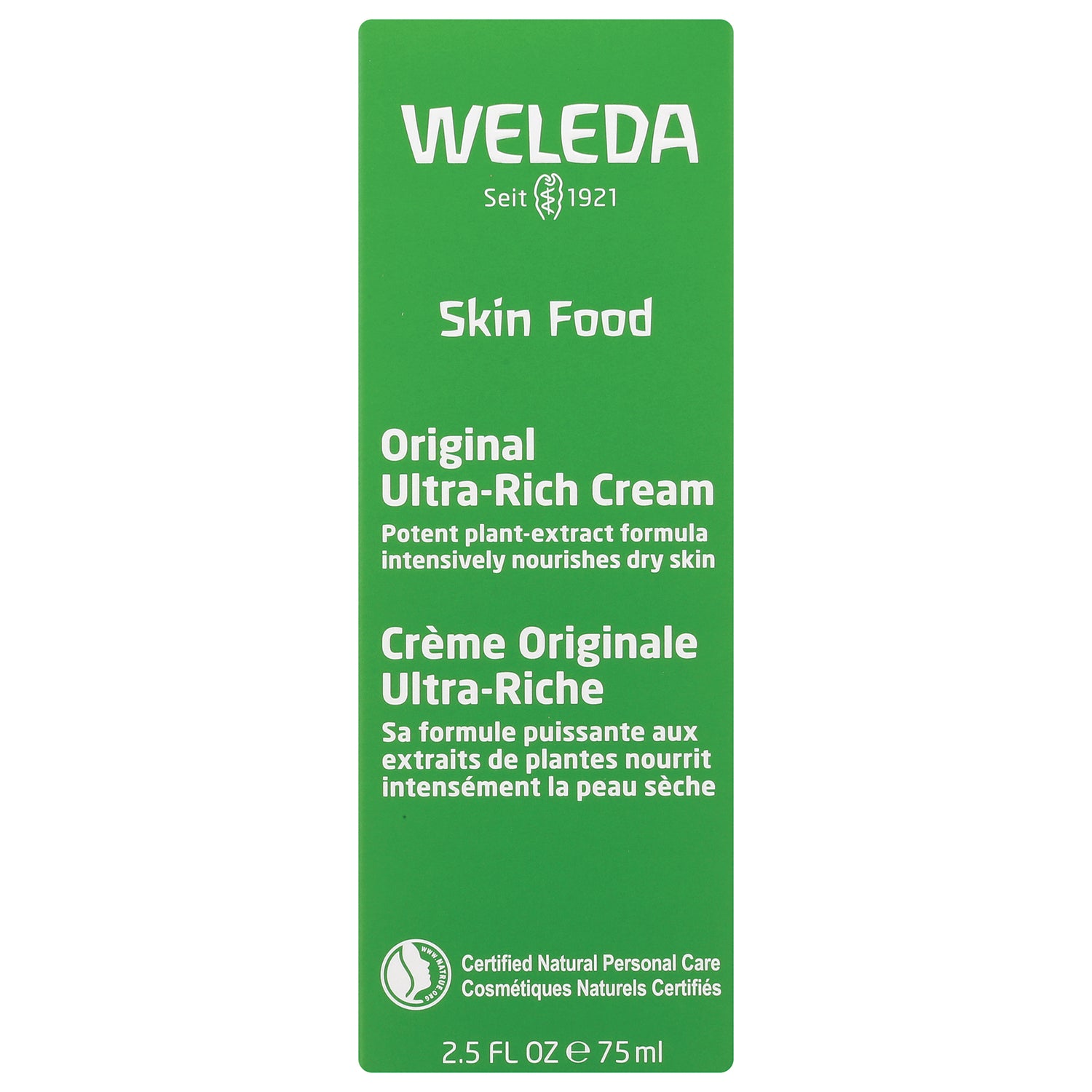
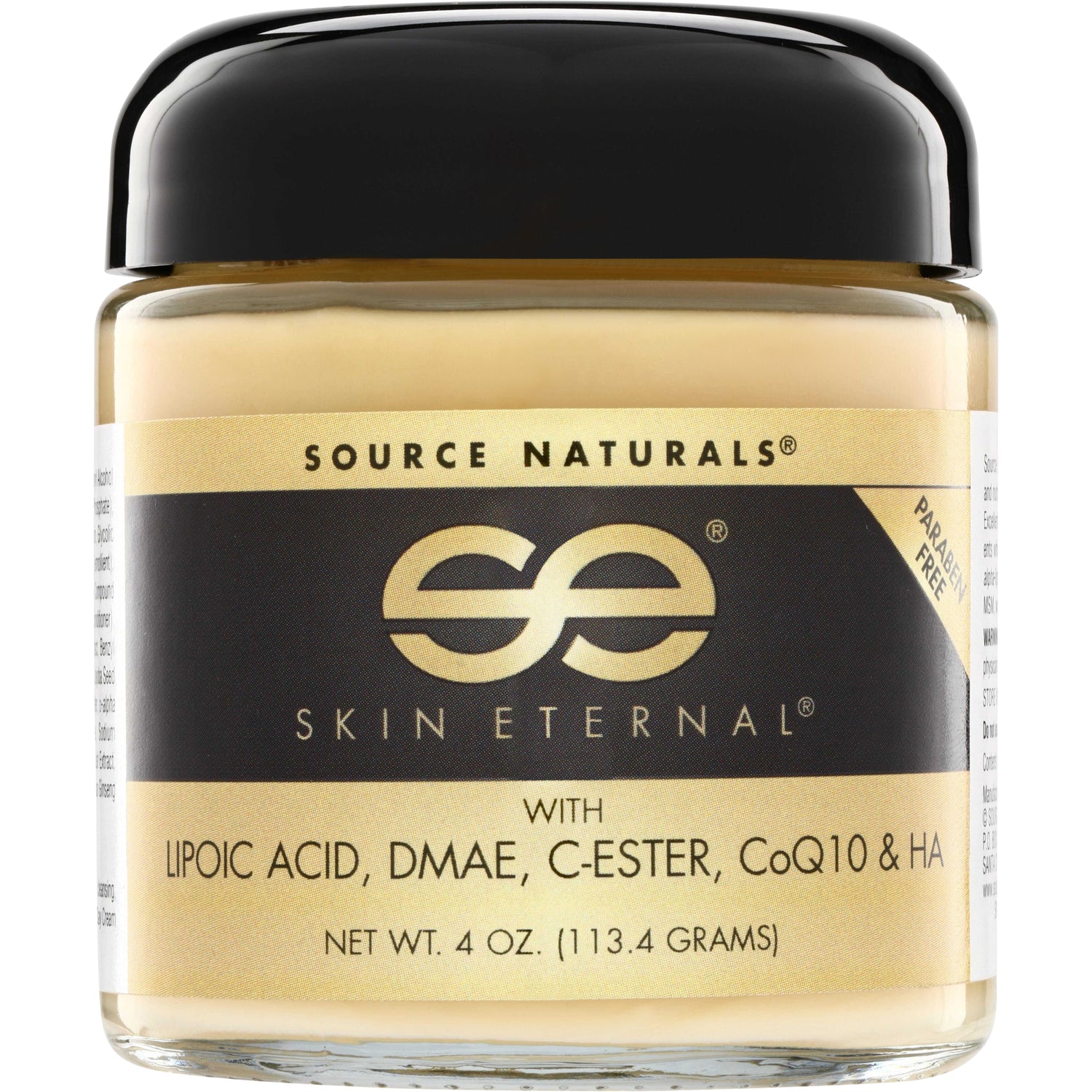
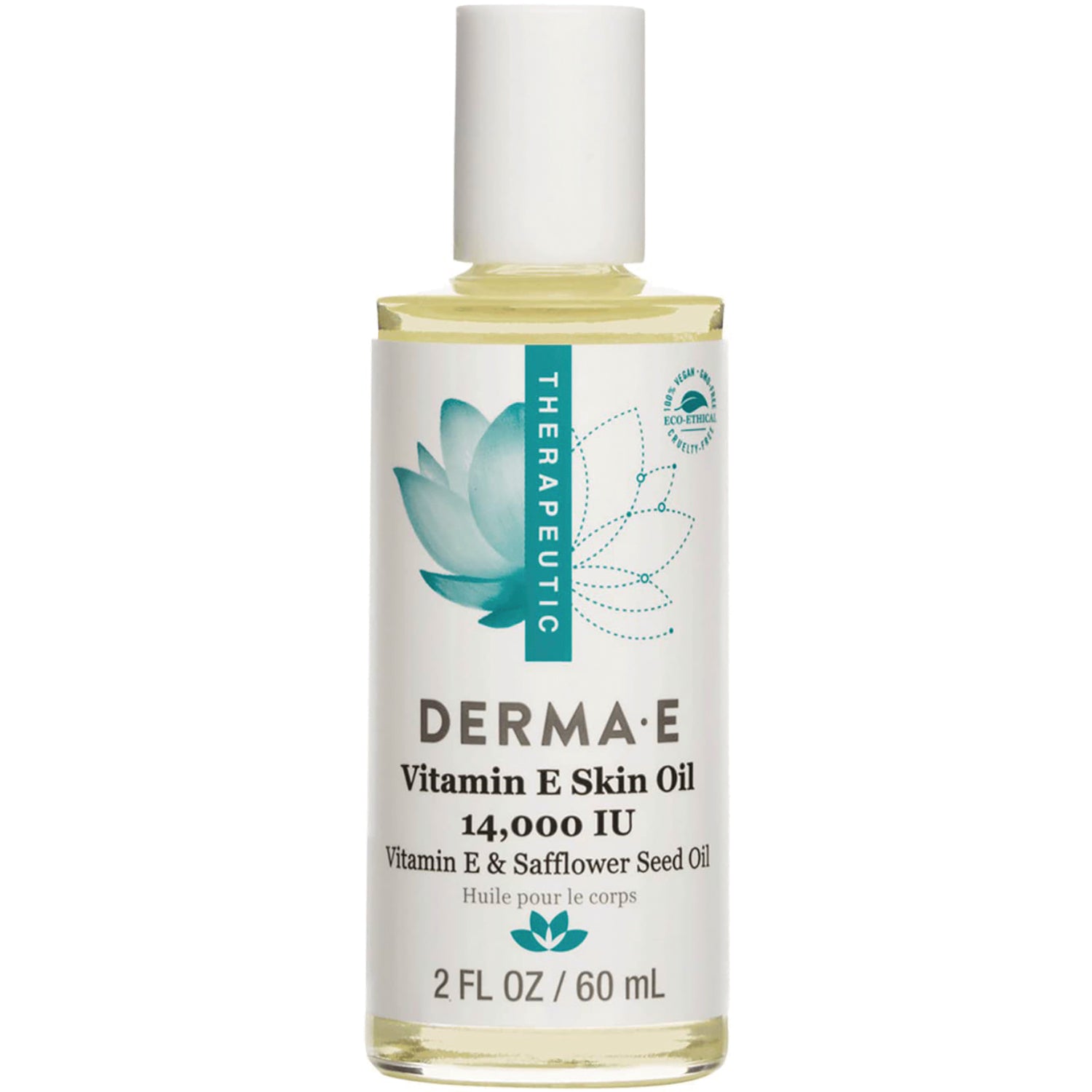
Thoughtful skin moisturizing habits can make a noticeable difference in how dry, itchy skin feels throughout the day. Many skincare professionals recommend applying moisturizer within a few minutes after bathing, while the skin is still slightly damp, to slow down water loss from the surface. Richer textures such as creams, balms, or ointments often stay on the skin longer than very light lotions, which some people with very dry skin find more comfortable. Ingredients commonly highlighted in skincare education include glycerin, hyaluronic acid, ceramides, and plant oils, which are often used to attract and hold moisture or support the skin barrier. For hands, feet, elbows, and shins that tend to be rough, applying a thicker cream at night and covering with cotton gloves or socks is a simple home habit many like to use.
Clothing, bedding, and environment choices
Everyday choices around clothing and living spaces can also affect dry, itchy skin more than many people realize. Fabrics that feel rough or scratchy, such as some wools worn directly on the skin, may worsen irritation, especially on already dry areas. Many sensitive-skin guides suggest choosing soft, breathable materials like cotton for the layer that touches the skin, and adding warmer layers on top if needed. Laundry detergents that are fragrance-free and formulated for sensitive skin are often preferred when itchiness is a concern. At home or in the office, maintaining moderate indoor temperature and considering a humidifier in very dry climates can be helpful for comfort. When cleaning or washing dishes, wearing gloves reduces contact with detergents and hot water, which are common triggers for dryness.
Diet, hydration, and lifestyle from the inside
Caring for dry, itchy skin is not only about what goes on the surface; daily habits from the inside matter as well. Drinking enough fluids throughout the day supports overall hydration, which is relevant for how the skin looks and feels. Nutrition guidelines in many countries often highlight patterns similar to a Mediterranean-style eating pattern, with vegetables, fruits, whole grains, legumes, nuts, seeds, and healthy fats from sources like olive oil and fish. This type of pattern is usually discussed in connection with general health rather than only skin. At the same time, some people notice that heavily processed foods, very sugary snacks, or frequent alcohol seem to coincide with periods when their skin feels more uncomfortable, although reactions vary widely from person to person. Because research findings can differ and individual responses are personal, it is usually recommended to consult healthcare professionals before making major changes to diet.
Seasonal changes and sensitive skin care
During seasonal transitions, many people with sensitive skin report that their usual routine suddenly feels too strong. Cooler, drier air in autumn and winter or rapid shifts between outdoor heat and indoor air conditioning in summer can lead to more pronounced dryness and itchiness. At these times, some skincare educators suggest simplifying routines by pausing strong exfoliating acids or high-strength retinoids if they seem irritating and focusing more on hydration and soothing formulas. Using lip balm during the day, rich body cream after showering, and wearing gloves and scarves outdoors in cold wind can offer additional comfort. Because skin conditions like eczema or psoriasis may flare with seasons and need medical care, professional assessment is important when dryness is severe, painful, or accompanied by rash or cracking.
When to seek professional help and how to combine strategies
Combining inside and outside care works best when it is approached as an ongoing experiment rather than a quick fix. Adjusting water temperature, cleansing products, and moisturizing steps while also paying attention to sleep, stress, and eating patterns gives a more complete picture of what seems to suit the skin. Keeping a simple diary of routines and symptoms for several weeks can help identify patterns, such as whether long baths or particular fabrics coincide with more itchiness. However, if dry, itchy skin is persistent, very uncomfortable, or affects sleep and daily life, it is advisable to seek evaluation from a dermatologist or other qualified healthcare professional. All information in this article is meant for general education and does not replace personalized advice, diagnosis, or treatment from medical experts.