Many people assume that eating plenty of fruits and vegetables means extra vitamins are never necessary, but the reality is more nuanced. A plate filled with colorful produce is a strong foundation for daily nutrition, yet what appears balanced at a glance may not cover every nutrient in sufficient amounts for every person. Daily routines, stress, cooking methods, and health conditions all influence how much the body actually takes in and uses. Understanding where fruits and vegetables shine, and where they might fall short, helps readers make more informed choices about food and any additional vitamin use.
Why fruits and vegetables are still the nutritional starting point
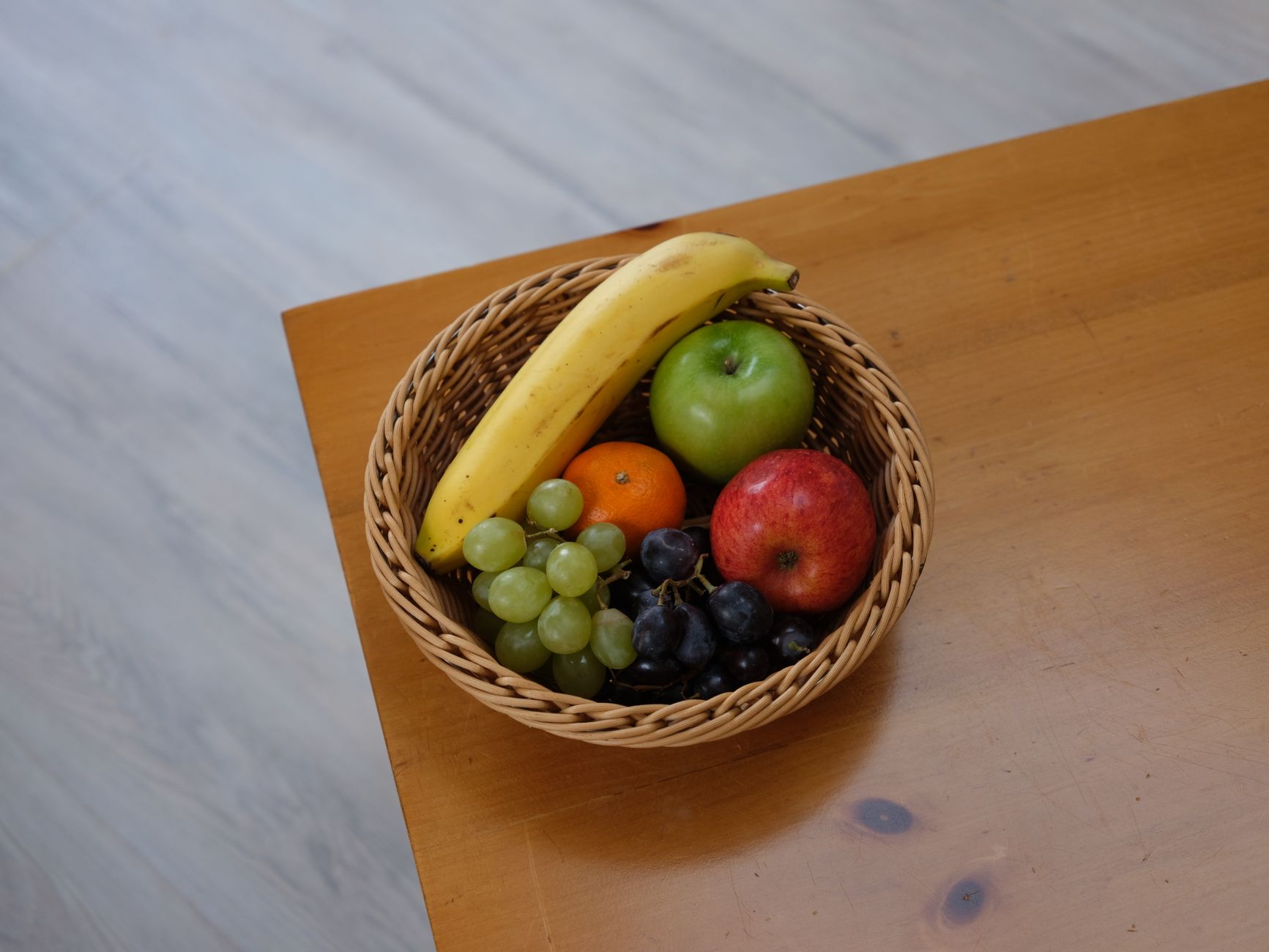
Fruits and vegetables provide a wide mix of vitamins, minerals, fiber, and natural plant compounds that interact in ways manufactured pills cannot fully copy. A simple salad of leafy greens, tomatoes, and carrots offers vitamins A and C, folate, potassium, and various antioxidants alongside fiber that slows digestion. When these foods appear in meals several times a day, they contribute not only nutrients but also texture and flavor that make it easier to enjoy eating well over the long term. For most people, focusing on produce variety and regular intake is a more sustainable first step than immediately turning to pills.
When a “healthy plate” may still leave gaps
Even when someone believes they eat a lot of produce, closer inspection often shows repeated patterns and missing nutrients. A person who always chooses the same two or three vegetables might be low in certain vitamins or minerals found mainly in other groups, such as leafy greens or cruciferous vegetables. Busy office workers who grab salads but skip protein or whole grains can also fall short on nutrients like iron or zinc, which fruits and vegetables alone do not supply in large amounts. In addition, portion sizes may be smaller than assumed, especially when meals are eaten out where vegetables are more of a garnish than the main component.
Individual needs: age, lifestyle, and health conditions
Vitamin needs are not identical for everyone, and this is where the discussion becomes highly individual. Older adults often have different absorption capacities and may find it harder to meet certain needs through food alone, particularly vitamin B12, which is primarily found in animal products. People who follow strict vegan or highly restrictive diets must plan more carefully to cover nutrients such as iron, calcium, and vitamin D. Those who work long hours indoors or live in regions with limited sunlight may need to pay extra attention to vitamin D, which fruits and vegetables provide only in small amounts. In these cases, tailored dietary adjustments or supplements considered with a professional can make sense.
The role of cooking methods and food quality
How food is stored and cooked can significantly change vitamin content, even if the ingredient list looks ideal. Vitamin C and some B vitamins are sensitive to heat and water, meaning long boiling times or reheating can noticeably reduce their levels in dishes. Frozen or canned options remain valuable, yet they sometimes come with added sugars or sodium that crowd out fresh produce on the plate. Over time, relying mainly on heavily processed versions of fruits and vegetables may lead to a diet that looks colorful but is less nutrient dense than expected. Paying attention to cooking techniques and choosing a mix of raw and lightly cooked foods helps preserve more of the natural nutrients.
Considering supplements as a support, not a shortcut
Vitamin supplements are often marketed as an easy answer, but they work best as a complement to, not a replacement for, everyday meals. A simple multivitamin, used under guidance, may help cover modest gaps for people with limited food variety, inconsistent schedules, or specific medical advice, yet it cannot replicate the fiber and complex plant compounds found in whole foods. Relying on pills while neglecting fruits and vegetables means missing benefits related to digestion, satiety, and overall eating enjoyment. Readers are encouraged to view supplements as one possible tool in situations where diet improvements are challenging, and not as a guarantee of ideal nutrition.
How to assess your own diet before reaching for pills
Before adding any vitamin product, it is useful to look honestly at what appears on plates over one or two typical weeks. Listing meals and snacks often reveals patterns such as minimal vegetables at breakfast, few deeply colored fruits, or long gaps without fresh food during busy days. This self-check makes it easier to see whether simple changes, like adding a side of steamed vegetables at lunch or fruit between meetings, would already move intake closer to common dietary guidelines. For readers with ongoing health concerns or questions, discussing habits with a registered dietitian or healthcare professional provides more personalized insight than following generic supplement trends.
Building a diet rich in varied fruits and vegetables remains one of the most practical ways to support overall nutrition, yet it is not a universal guarantee that every vitamin need is met for every individual. Lifestyle, age, food choices, and preparation methods all shape the final picture. Supplements, when considered, are best selected cautiously and ideally in consultation with a professional, keeping in mind that this information is for general guidance only and does not replace personal medical advice. By combining thoughtful food choices with informed discussion, readers can better judge whether their own situation calls for adjustments in meals, vitamins, or both.