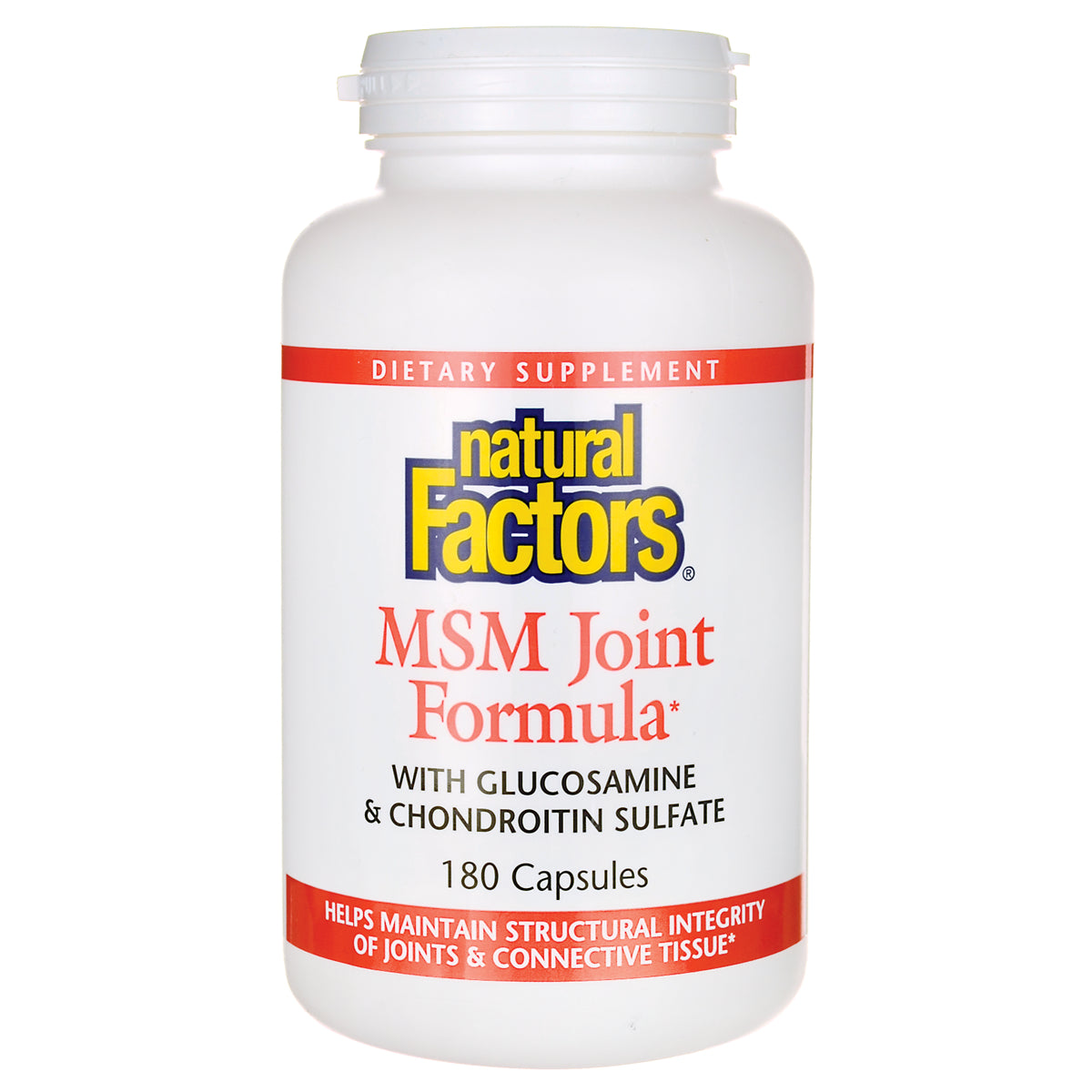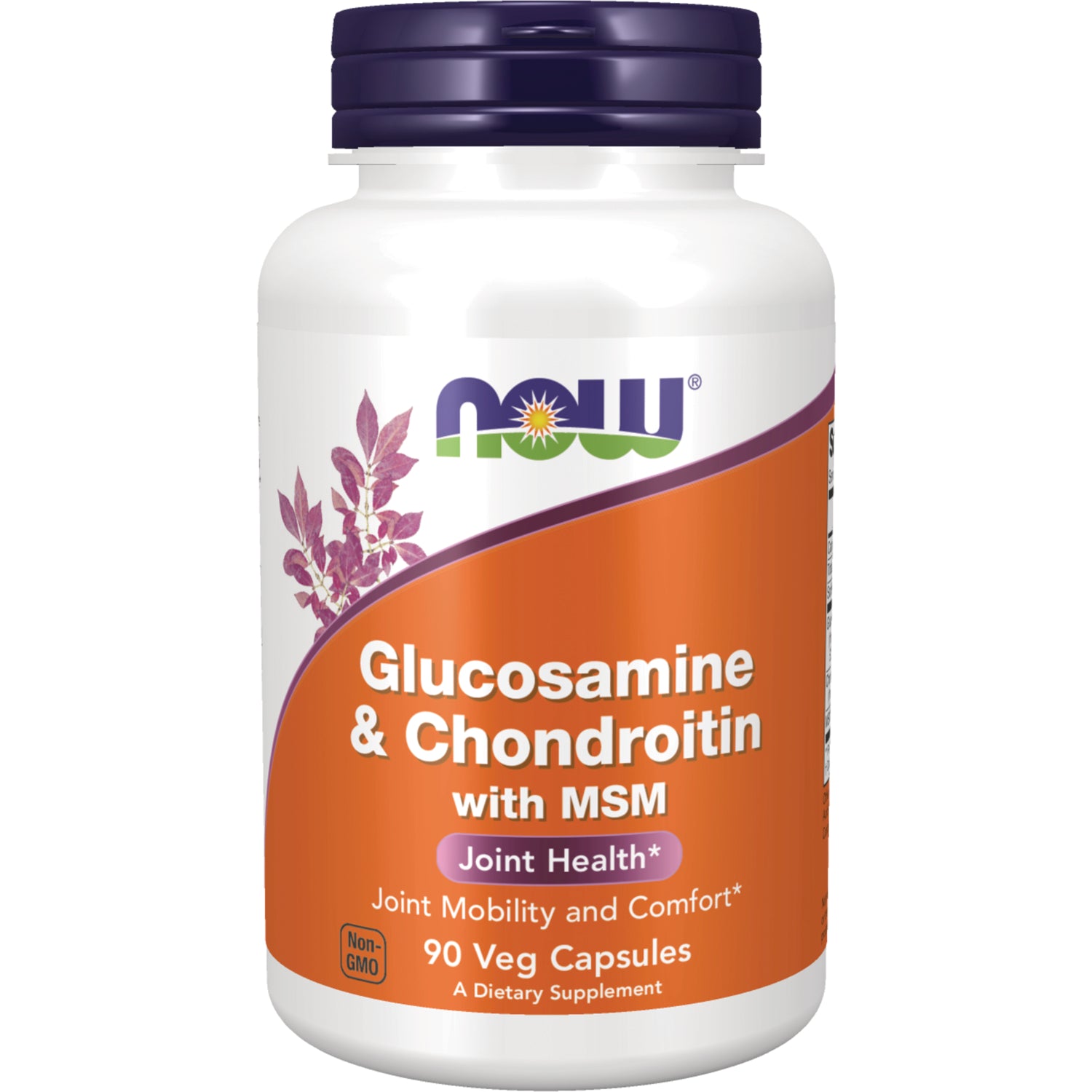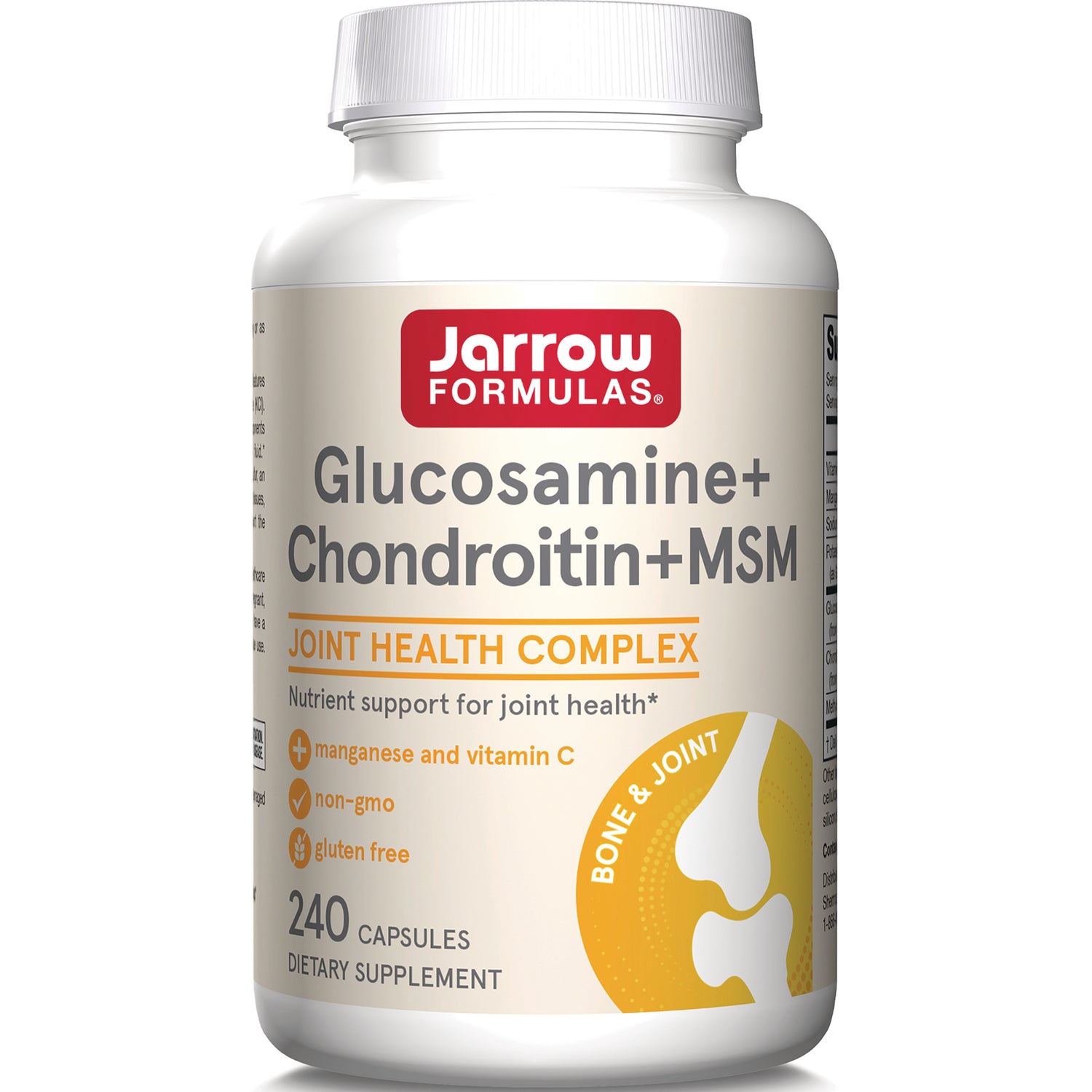
Many people start searching for information on glucosamine, chondroitin and MSM when they notice morning stiffness, knee discomfort on stairs or a sense that their joints feel less flexible than before. These three ingredients are often called a "joint support trio" in supplement marketing and are widely discussed in pharmacies, gyms and online forums. This article gives an overview of what each compound is, how they are commonly used in the context of joint health, what research has explored so far, and what safety and consultation points adults should keep in mind. The focus is on clear explanation rather than promising results, and all information is intended for general education, not as medical advice.
What is glucosamine and where does it come from?
Glucosamine is a sugar-related compound found naturally in cartilage, the firm tissue that cushions the ends of bones in a joint. Supplement products usually derive glucosamine from shellfish shells or produce it synthetically in a lab, and it often appears in forms such as glucosamine sulfate or glucosamine hydrochloride. Some observational and clinical studies have explored how glucosamine intake relates to joint comfort in adults, especially for knees, but results are mixed and not every trial shows the same level of benefit. Researchers have pointed out that more high‑quality, long‑term studies are needed to clarify which groups of people, dosages and durations are most relevant. Because of this, many guidelines present glucosamine as an option some adults choose to try rather than as a universal solution.
Understanding chondroitin and its role in cartilage
Chondroitin is a type of glycosaminoglycan, a long-chain molecule that is naturally present in cartilage and contributes to its structure and resilience. In supplements, it is usually available as chondroitin sulfate, often extracted from animal cartilage sources such as bovine or marine tissue. In the joint health market, chondroitin is frequently combined with glucosamine in tablets or capsules, reflecting research interest in how the two compounds might influence joint-related outcomes when taken together. However, scientific findings remain inconsistent, with some trials reporting noticeable differences compared with placebo and others showing limited change. For everyday readers, the key point is that chondroitin is treated as a supportive ingredient rather than a stand‑alone cure, and any use should be considered in the broader context of lifestyle, physical activity and professional guidance.
What is MSM and why is it added to joint formulas?
MSM, short for methylsulfonylmethane, is an organic sulfur compound that appears in some foods in trace amounts and is widely used as a dietary supplement ingredient. It is often included in joint formulas alongside glucosamine and chondroitin under product names that highlight flexibility, mobility or comfort. Research on MSM is smaller in scale compared with glucosamine and chondroitin, but some studies have observed changes in perceived discomfort or function among participants taking MSM‑containing products over several weeks. At the same time, scientists highlight limitations such as small sample sizes, diverse formulations and varied outcome measures, which make it difficult to draw firm conclusions for all populations. As with the other two ingredients, MSM should be viewed as one possible element within a broader joint care strategy that might also include movement routines, weight management and ergonomic adjustments at work.
Typical supplement forms, combinations and dosages
In pharmacies and online shops, glucosamine, chondroitin and MSM are sold as single‑ingredient capsules, tablets or powders, as well as in multi‑ingredient blends labeled for joint support. Common products combine glucosamine sulfate with chondroitin sulfate, sometimes adding MSM, collagen, hyaluronic acid or plant extracts. Labels often suggest daily amounts in the range of roughly 1,500 milligrams of glucosamine, 800 to 1,200 milligrams of chondroitin and varying MSM doses, though exact numbers differ by brand and region. These ranges are usually based on clinical trial protocols or expert consensus rather than personalisation, so they may not be suitable for everyone. Individuals with smaller body size, multiple health conditions or complex medication schedules may require tailored advice from a doctor or pharmacist. It is also important for readers to follow the specific instructions on the chosen product and avoid assuming that higher doses are automatically better.
Safety considerations, allergies and interactions
When used within typical supplemental ranges, glucosamine, chondroitin and MSM are generally described in reviews as having a relatively favourable safety profile for many adults. Nevertheless, side effects such as digestive discomfort, nausea, loose stools, constipation, headache, drowsiness or skin reactions have been reported in some users, especially when starting a new product. People with shellfish allergies should read glucosamine labels carefully, because many products are derived from shrimp or crab shells, although shell‑free synthetic options also exist. There are case reports suggesting that glucosamine, particularly at higher doses or in combination with chondroitin, may influence the effect of blood‑thinning medicines like warfarin, so individuals on anticoagulants must seek medical advice before use. Those with chronic liver disease, kidney issues, asthma, glaucoma, pregnancy, breastfeeding or complex medication regimens should also discuss any joint supplement with a health professional to weigh potential risks and monitoring needs.
Who commonly considers these ingredients and what to expect
Adults who search for glucosamine, chondroitin and MSM information often include office workers who sit for long hours, recreational runners, older adults noticing knee stiffness and people whose family members have joint concerns. Expectations around these supplements vary widely: some users hope for noticeable changes in daily comfort, while others mainly want to feel they are doing something supportive for their joints over time. Health organisations and expert reviews often describe the potential benefits as modest and emphasise that not everyone reports a clear difference. Many guidelines suggest that if a person chooses to try such a supplement, it may be reasonable to evaluate their own experience over a few months and then decide whether to continue, always in discussion with a clinician. It is also worth remembering that joint comfort is influenced by multiple factors such as body weight, muscle strength, posture, sleep and stress, not just one supplement choice.
Practical tips for discussing joint supplements with professionals
Before starting any new joint supplement, it is sensible for readers to prepare a brief list of current medications, existing diagnoses and previous reactions to supplements to share with their healthcare team. Bringing the actual product bottle or a clear photo of the label to a consultation can help doctors or pharmacists check ingredient amounts, combinations and potential interactions more accurately. During the conversation, questions might cover which ingredient form is more suitable, how long to try a product before judging its usefulness, and what signs should prompt stopping the supplement. Many professionals emphasise that dietary supplements do not replace prescribed treatments, physiotherapy or recommended movement programmes. All information in this article is intended for general reference only and cannot replace personalised advice from a doctor, pharmacist or qualified health professional who knows the reader’s medical history.