Cognitive health in later life is not determined by a single capsule. It is connected with everyday eating patterns, physical activity, sleep, social connection, medical care, and the way supplements fit into an individual’s routine. A useful buying guide therefore begins with needs rather than promises: identify dietary gaps, review current medicines and health conditions, then check whether a product’s ingredients, serving directions, and warnings are suitable. The National Institute on Aging notes that older adults may have difficulty absorbing naturally occurring vitamin B12 from food, while calcium and vitamin D are relevant to bone health and nutrition planning. Supplements should be viewed as optional nutrition support, not a replacement for meals or professional care.
Start with the basics of cognitive health
Brain-friendly aging involves more than selecting a product labeled for memory or energy. Regular movement, adequate sleep, social engagement, management of blood pressure and other chronic conditions, hearing and vision care, and a nutrient-dense diet all belong in the same conversation. The National Institute on Aging describes physical activity, mental engagement, health screenings, sleep, and attention to diet as practical parts of cognitive health planning. For an older adult who skips meals, eats a narrow range of foods, or has a medically identified nutrient concern, a supplement discussion may be reasonable; for someone already eating well, adding multiple overlapping products may create unnecessary complexity.
A practical checklist can make the decision clearer:
- Review the usual diet across a week rather than judging one meal.
- List every medicine, vitamin, and supplement currently used.
- Check for swallowing, digestion, allergy, or taste preferences.
- Ask a doctor or dietitian whether testing or individualized advice is appropriate.
How to evaluate a B-complex product
B vitamins are often discussed in relation to energy metabolism and normal nervous-system function, but a product should not be presented as a treatment for memory loss, fatigue, or a medical condition. The label, dose, serving frequency, formulation, and overlap with other supplements matter more than a dramatic front-of-pack claim. For older adults, vitamin B12 deserves particular attention because absorption from food can be difficult for some people, making fortified foods or a supplement relevant in selected situations. Anyone taking several products should compare labels to avoid unintentionally duplicating the same nutrients.
精力領航家-B群 專利高劑量緩釋劑型 (slow-release vitamin B complex) contains vitamins B1, B2, B3, B6, B12, and folic acid. It is described as a slow-release microparticle capsule, with 60 capsules per box and 500 milligrams per capsule, and is intended for people seeking long-term B-complex nutrition supplementation. The stated intake is one capsule once or twice daily; users should follow the package directions and avoid assuming that a higher intake is better. This option may be considered by adults whose priority is a clearly specified B-complex format, especially when a healthcare professional has reviewed their overall nutrition plan.
Protein, calcium, and the wider aging plan
Brain health should not be separated from strength, mobility, and the ability to maintain regular daily activities. A diet with enough protein and calcium may be relevant to broader nutrition planning, particularly when appetite is limited or meals are inconsistent. The National Institute on Aging identifies calcium as important for bones and notes that some older adults may need advice about vitamin and mineral intake. This does not mean every older adult needs a high-dose product: dairy intake, fortified foods, tofu, leafy greens, fish, kidney function, allergies, and prescribed medicines can all affect the decision.
船井®關健對策4X強健肌力穩固組/高蛋白/高鈣配方/超慢跑必備(共) (protein and calcium nutrition product) lists fish collagen protein, milk calcium, whole milk powder, calcium lactate, creamer, vitamins B2, B6, B1, and dried vitamin D3. The package information states a serving of one sachet twice daily, after a meal and before sleep, with 30 sachets in the package. It contains milk and fish collagen, so it is not suitable for people with those allergies. The label also advises consultation with a doctor or nutritionist, and states that balanced eating and appropriate exercise are the foundation of health; users should follow the package and seek professional advice when health conditions or medicines are involved.
Common supplement myths to avoid
One common myth is that a product marketed for the brain can compensate for inadequate sleep, inactivity, social isolation, or an unbalanced diet. Another is that a higher dose automatically produces a better result. Evidence-based guidance instead places cognitive health within a multidimensional approach that includes physical health, activity, sleep, diet, and social engagement. A third misconception is that “natural” means suitable for everyone; food-derived ingredients can still cause allergies, interact with medicines, or be inappropriate for particular conditions.
Readers should also distinguish between a nutrient’s normal physiological role and a disease claim. A label statement about supporting normal metabolism is not the same as evidence that a supplement prevents dementia or reverses cognitive decline. When a product uses words such as high-dose, patented, advanced, or complete, the shopper should return to concrete questions: What are the listed ingredients? What is the serving size? What warnings apply? Is there duplication with another product? Are the claims consistent with the package and with professional advice?
Matching choices to real-life situations
The most suitable option depends on the gap a person is trying to address. Someone with irregular meals may first need a simpler meal routine, more nutrient-dense foods, and a medication review before adding supplements. Someone already using a multivitamin may need to compare its B12, calcium, vitamin D, and iron content before selecting another formula. A person with milk or fish allergies should avoid products containing those allergens, while anyone with kidney disease, swallowing difficulty, digestive problems, or complex prescriptions should obtain individualized guidance.
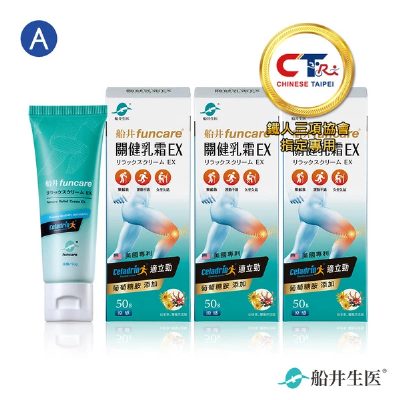
船井®celadrin適立勁關健乳霜EX 50g(涼感)升級版團購組/擦的葡萄糖胺 (topical care cream) is a separate category rather than a brain-nutrition product. Its listed information includes Celadrin and glucosamine, and the directions describe applying it to an area requiring care and massaging until absorbed; the product information also states that it does not contain Western medicine, painkillers, methyl salicylate, or steroids. It may be relevant to readers comparing topical daily-care items, but it should not be used as evidence that a nutritional supplement supports cognition. Follow the package instructions and stop use if irritation occurs.
A safer buying and daily-use checklist
Before purchasing, older adults and caregivers can write down the person’s main goal in neutral terms, such as “fill a possible dietary gap,” “find a convenient sachet,” or “compare a B-complex format.” Next, check the complete label, serving directions, allergen information, storage instructions, and any professional cautions. Keeping a simple supplement log can show which product is taken, when it is taken, and whether another item contains the same nutrients. This is particularly useful when several family members organize medicines and supplements.
- Prioritize a balanced eating pattern and regular movement.
- Choose one clearly defined nutrition purpose at a time.
- Compare serving sizes instead of judging products by package size.
- Do not exceed the stated serving without professional advice.
- Recheck the plan when medicines, diagnoses, appetite, or weight changes.
For persistent memory changes, confusion, sudden functional decline, or concerns about nutrition, a healthcare professional should assess the situation rather than relying on a supplement. This guide is for general information only and cannot replace diagnosis, treatment, or individualized medical advice. The strongest long-term plan usually combines practical meals, appropriate activity, restorative sleep, social connection, routine health care, and careful product selection. A supplement can have a place within that plan, but its label and limitations should remain clear.
The information in this article is for reference only and does not constitute professional advice. For specific decisions, please consult a relevant professional based on your personal situation.