Green tea is often associated with a "fast" metabolism, and catechins are frequently described as the key behind this reputation. Many readers hear claims from influencers, product labels, or friends about calories burned just by drinking tea, but the actual science is more nuanced. Research mainly focuses on catechins, especially EGCG, and their relationship with energy expenditure, fat oxidation, and body composition. This article reviews current evidence in an accessible way, clarifying what has been studied, what remains uncertain, and how green tea can realistically fit into a long-term lifestyle for metabolic health.
What are catechins in green tea?
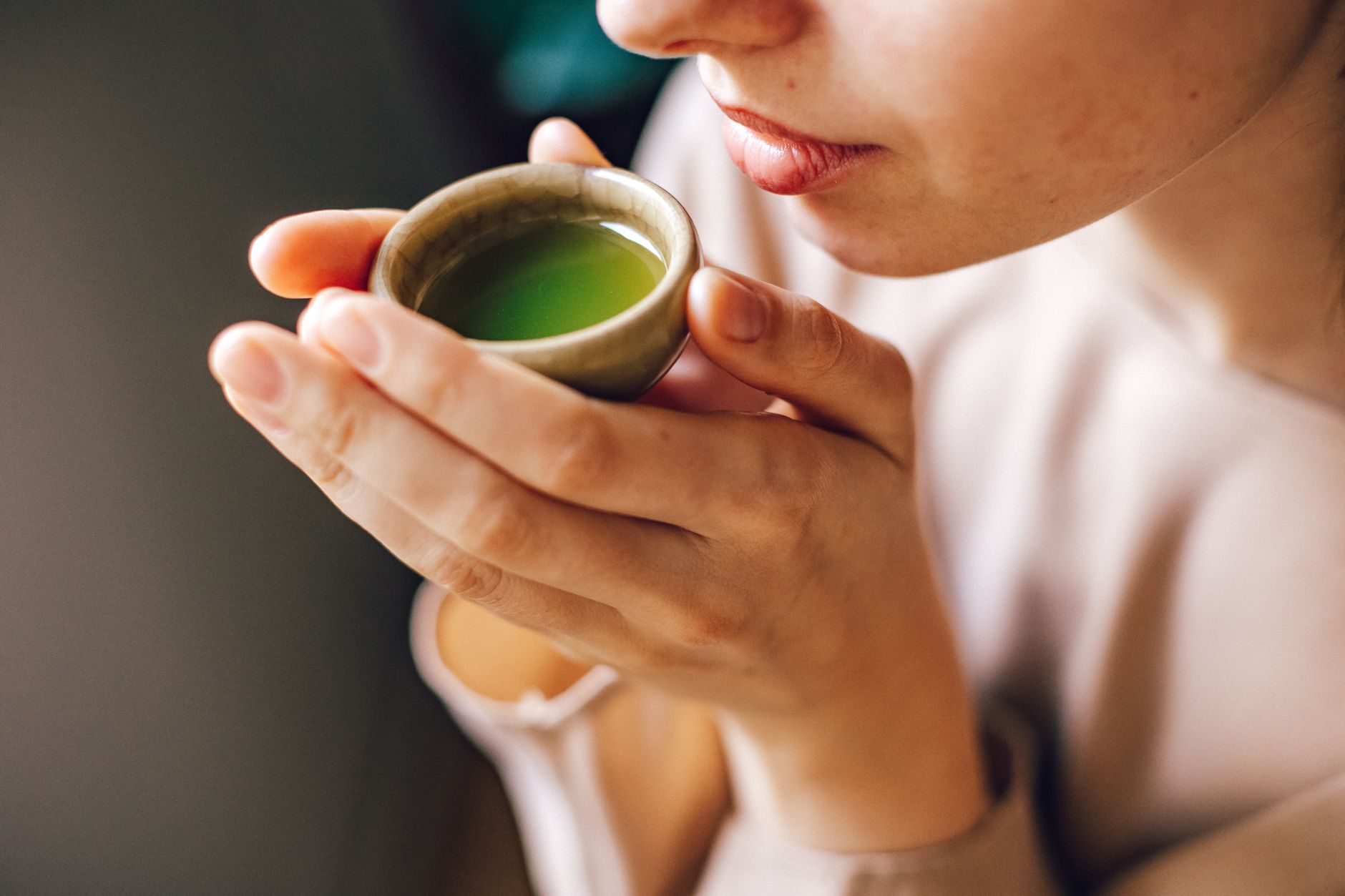
Catechins are a group of polyphenols naturally found in tea leaves, particularly abundant in green tea because the leaves are not fermented. Among them, EGCG (epigallocatechin gallate) is the most studied and is often highlighted in supplements and functional beverages. These compounds contribute to green tea’s astringent taste and are widely discussed for their antioxidant properties and potential roles in metabolic regulation. Compared with black or oolong tea, minimally processed green tea generally retains more catechins, which is why it is usually chosen as the primary source in research trials and product formulations that target metabolism.
How might catechins influence metabolism?
Researchers have proposed several mechanisms through which catechins may interact with metabolic processes. One frequently discussed pathway is a modest increase in energy expenditure and fat oxidation, possibly by affecting enzymes involved in fat breakdown and thermogenesis. Some studies suggest that combining catechins with caffeine, which naturally occurs in tea, may have additive effects on caloric burn over the course of a day. These observed changes are usually modest, often measured as small percentage increases in laboratory or clinical settings, rather than dramatic shifts in basal metabolic rate. The overall picture points to catechins as one of many dietary factors that may slightly influence how the body uses energy.
EGCG and human studies on energy expenditure
When looking at human data, many trials focus on green tea extracts standardised for EGCG and other catechins. In several small- to medium-scale studies, participants who consumed catechin-rich beverages or capsules showed a modest rise in 24‑hour energy expenditure or in fat oxidation during rest and light activity. Some reports describe increases in metabolic rate on the order of a few percent, and there are also studies noting changes in abdominal fat when catechin intake is combined with regular exercise and dietary control over weeks or months. At the same time, not all studies find significant effects, and differences in dosage, study length, and participant characteristics make direct comparison difficult.
Catechins and weight management in real life
For everyday readers interested in weight management, catechins are better viewed as a subtle supporting factor rather than a primary solution. In several intervention studies, green tea catechins were included alongside calorie awareness, walking or structured exercise, and general lifestyle guidance. Under these conditions, groups receiving higher catechin intakes sometimes showed slightly greater reductions in body weight or waist circumference compared with control groups. However, the differences were usually moderate, and long‑term weight stability still depended on overall energy balance, sleep, stress management, and movement habits. Many nutrition professionals therefore frame green tea as one potentially useful element within a broader behaviour pattern, not a shortcut.
Typical intake ranges and forms of catechins
From a practical standpoint, catechins can be obtained by drinking brewed green tea or by using standardized supplements. A few cups of traditionally prepared green tea daily can provide a noticeable, though variable, amount of catechins depending on leaf variety, brewing time, and water temperature. Some research on body composition has used daily intakes in the range of a few hundred milligrams of catechins for several weeks or months, often via concentrated beverages or capsules. Supplements allow precise dosing but also make it easier to reach higher intakes than would usually be obtained from tea alone. Because individual tolerance differs, many experts encourage gradual introduction rather than abrupt high-dose use.
Possible side effects and safety considerations
Despite their plant origin, catechins are not risk‑free at high doses. Reports and reviews have noted that concentrated green tea extracts, especially when taken on an empty stomach, may be associated with digestive discomfort, nausea, or, in rare cases, liver‑related issues in susceptible individuals. Caffeine in green tea can also contribute to jitteriness, sleep disruption, or a racing heartbeat in some people. Individuals who are pregnant, living with chronic conditions, or using prescription medications are often advised to discuss green tea extracts or high‑dose catechin products with a healthcare professional first. For many people, spreading intake across the day, taking products with food, and staying within manufacturer or clinical study ranges helps lower the likelihood of unwanted reactions.
Choosing between tea and supplements
Deciding whether to rely on brewed tea or a dietary supplement depends on lifestyle, taste, and personal health priorities. Drinking tea offers fluid intake, a pleasant ritual, and a lower, more gradual catechin exposure that aligns with traditional consumption patterns. Supplements and fortified drinks may appeal to those who dislike the taste of tea or who want a defined catechin content, but this convenience comes with the responsibility to read labels carefully and monitor total caffeine intake. Quality differences between brands can be substantial, so third‑party testing, transparent ingredient lists, and realistic marketing claims are common criteria used by cautious consumers when comparing products.
Role of overall lifestyle in metabolic health
Even where catechins appear promising in research, their practical impact is closely tied to overall lifestyle. Metabolic health is shaped by total diet quality, regular movement, muscle mass, sleep patterns, and factors such as stress and alcohol intake. Green tea can complement a pattern that emphasises vegetables, whole grains, adequate protein, and consistent physical activity, but it does not replace these foundations. Many clinicians and dietitians therefore present catechin‑rich drinks as a supportive habit—perhaps a go‑to beverage between meals or before light exercise—while still highlighting portion awareness and daily steps as the main levers for energy balance.
Practical tips and a note of caution
For readers curious about integrating green tea catechins into daily routines, a gradual, mindful approach is often suggested. This can mean starting with one to two cups of unsweetened green tea per day, paying attention to sleep quality, digestive comfort, and any feelings of restlessness. If considering supplements, it is sensible to review one’s medical history with a healthcare provider and to choose products that avoid exaggerated promises or unclear ingredient lists. Information in this article is intended for general education only and should not replace personal medical advice; individuals with specific conditions or concerns are encouraged to consult qualified professionals before making substantial changes related to green tea or catechin intake.