Why milk thistle and silymarin attract so much attention
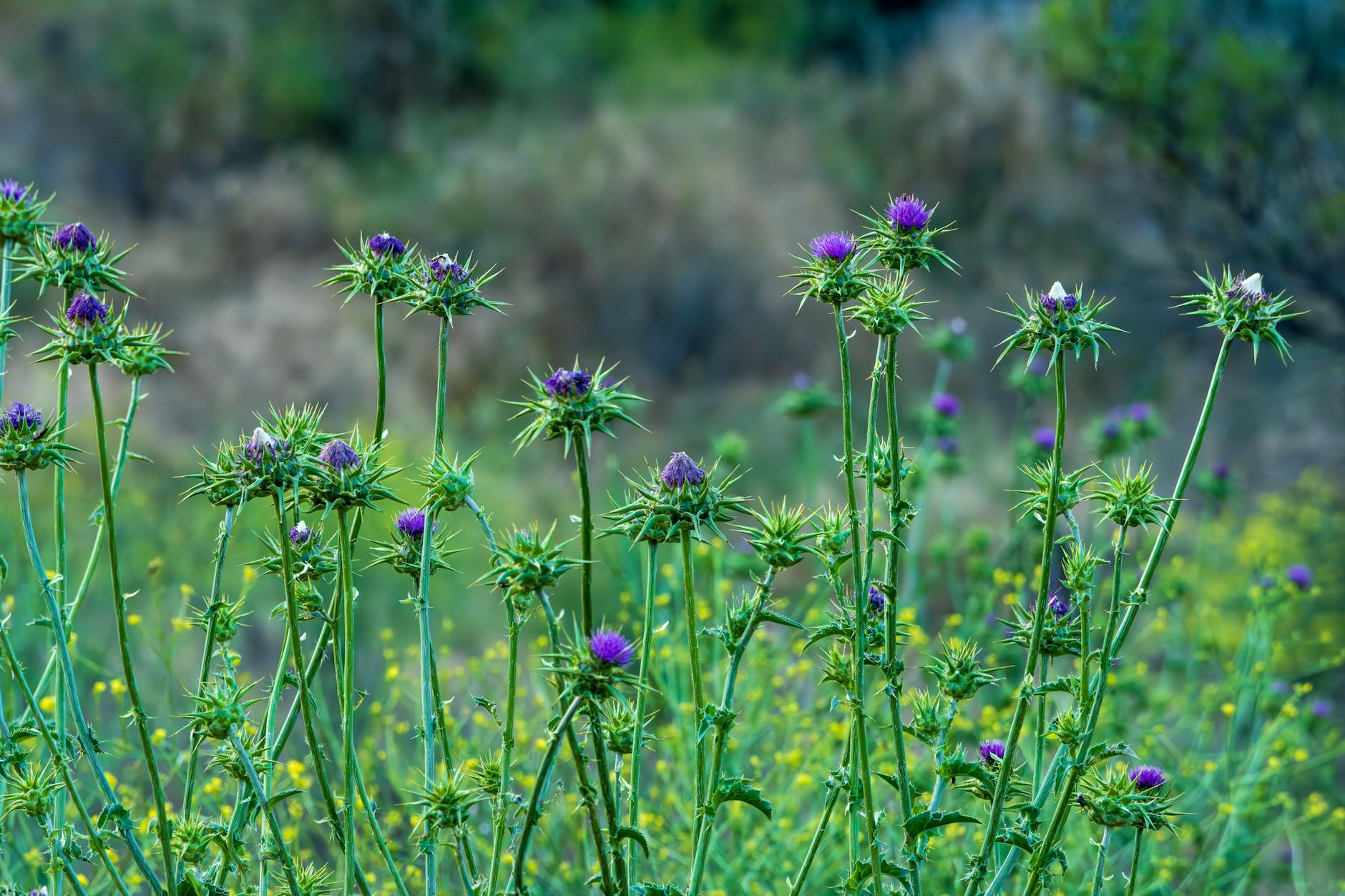
Milk thistle, a herb traditionally used around the Mediterranean region, has drawn interest because its extract, silymarin, is frequently discussed in relation to liver health. Many consumers hear that this plant is used in Europe as an adjunct in liver-related care and wonder what the scientific evidence actually shows. Modern research includes animal experiments, cell studies and human clinical trials, but the results are not always consistent. Some trials suggest potential benefits for certain groups, while others show neutral outcomes. This makes it important to read milk thistle data carefully, separate marketing claims from study findings, and remember that any supplement information is for general education and not a substitute for personal medical advice.
What silymarin is and how researchers think it works
Silymarin is a mixture of flavonolignans extracted mainly from milk thistle seeds, with silibinin (also called silybin) as a major component. In laboratory and animal models, silymarin has been described as an antioxidant compound that interacts with reactive oxygen species and cell signaling pathways related to inflammation and fibrosis. Some studies report that silymarin increases levels of endogenous antioxidants such as glutathione and enzymes like superoxide dismutase, which are part of the body’s own defense system against oxidative stress. Researchers have also explored whether silymarin can influence liver cell membranes, cell regeneration signals and pathways involved in collagen formation, which are all relevant when studying chronic liver injury in models.
Evidence from studies on elevated liver enzymes
One of the most common questions is whether milk thistle can make abnormal liver tests look closer to the reference range. In several small clinical trials, participants with conditions such as viral hepatitis or nonalcoholic fatty liver disease showed decreases in liver enzymes after using silymarin-based products, but the study designs and dosages varied widely. Some trials reported statistically significant reductions in markers such as ALT and AST, while others did not find clear differences compared with control groups. Because of these inconsistencies, expert reviews emphasize that abnormal liver tests require medical evaluation, and any supplement, including milk thistle, should be considered only as a possible adjunct under professional guidance, not as a primary strategy.
Research on fatty liver and metabolic-related conditions
Fatty liver disease has become a common topic in discussions about milk thistle and silymarin. In certain studies involving people with fatty liver or metabolic issues such as type 2 diabetes or prediabetes, silymarin was used alongside lifestyle changes or dietary patterns like a Mediterranean-style eating pattern. Some of these trials observed improvements in liver-related blood markers and metabolic parameters over several months. However, sample sizes were often modest, and many interventions combined silymarin with other changes, making it difficult to isolate the effect of milk thistle alone. As a result, researchers usually describe these findings as suggestive rather than definitive and call for larger, longer and better controlled studies before drawing firm conclusions.
Chemotherapy-related liver toxicity in clinical research
Another notable area of interest is chemotherapy-related liver toxicity, especially in pediatric oncology. A frequently cited small study from Columbia University involved children with acute lymphoblastic leukemia who were receiving chemotherapeutic agents known to stress the liver. Participants were given milk thistle extract or placebo in addition to their standard care, and some liver enzyme readings in the milk thistle group appeared more favorable during follow-up. Because this was a relatively small trial with specific inclusion criteria, the results cannot be generalized to all patients receiving chemotherapy. Even so, this line of research shows why some clinicians consider milk thistle as a potential adjunct in controlled settings, always within a supervised medical protocol.
Conflicting data and what major medical centers say
Major medical centers that review dietary supplements often highlight that data on milk thistle and liver diseases such as cirrhosis or chronic hepatitis are mixed. Some systematic reviews list trials that report improvements in clinical parameters, while others highlight neutral or inconclusive results. Institutions typically describe oral milk thistle as generally well tolerated at standard doses, but they also underline uncertainties about the magnitude and consistency of any liver-related effects. This balanced view explains why responsible sources avoid absolute claims and instead note that milk thistle may play a role for certain liver conditions, while also stressing that more robust research is needed.
Safety considerations, dose ranges and target users
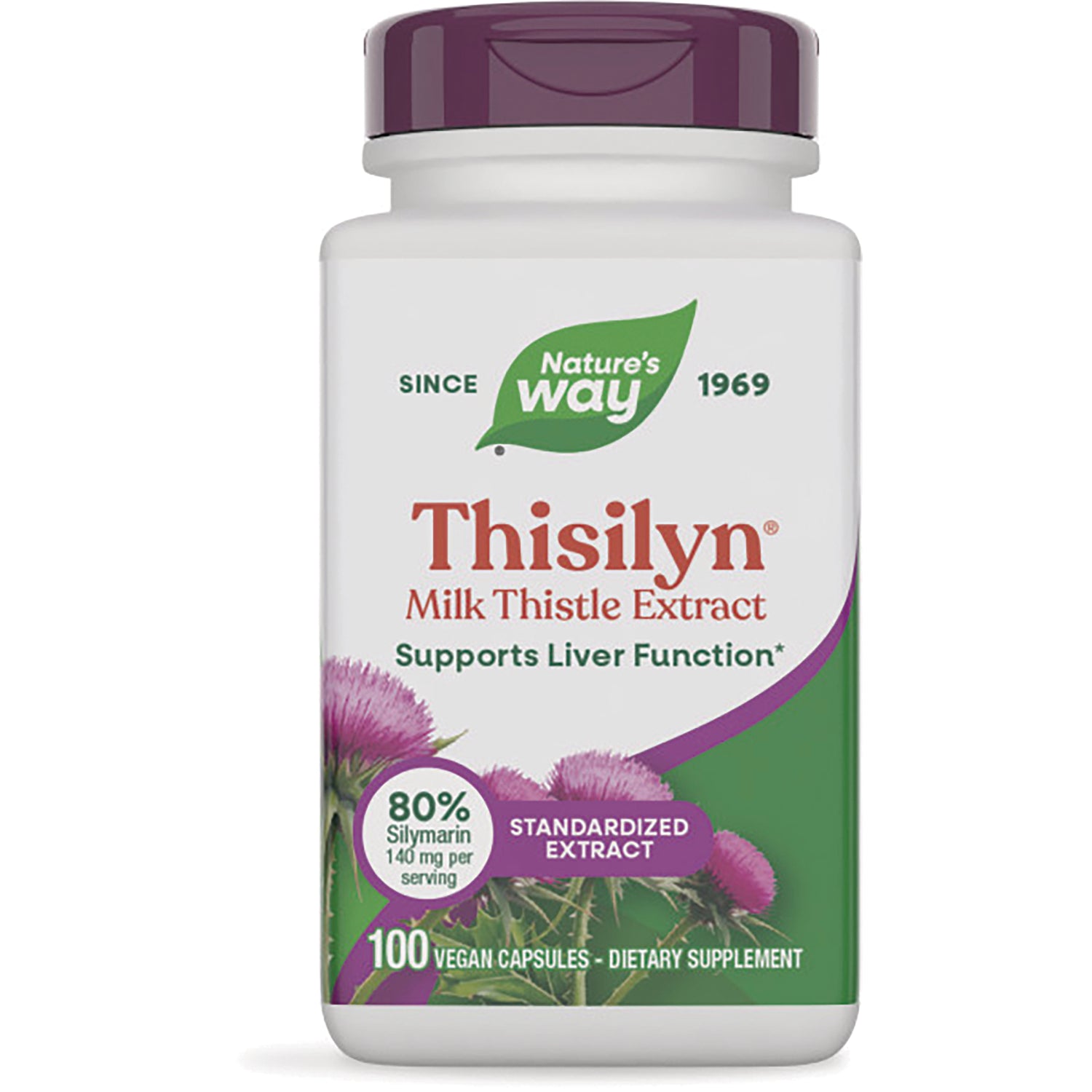
In supplement form, milk thistle extracts often provide around 150–300 mg of silymarin per serving, taken once or twice daily, although product labels and study protocols differ. Reported side observations include digestive discomfort such as nausea, diarrhea or bloating in some users, and people with allergies to plants in the Asteraceae family, such as ragweed or daisies, are usually advised to be cautious. Because there are theoretical interactions with blood sugar and hormone-related pathways, individuals with conditions like diabetes or hormone-sensitive disorders are often encouraged to talk with their healthcare professional before starting a product containing silymarin. For people taking prescription drugs, especially those processed by the liver, the safest option is to check with a physician or pharmacist about potential interactions.
How to read milk thistle claims as a health-conscious consumer
For readers interested in liver wellness, milk thistle can appear in many products marketed for detox or protection, yet study data encourage a more measured interpretation. Rather than viewing any herb as a stand-alone solution, experts often place more emphasis on factors such as limiting alcohol, managing weight, considering diet quality and discussing medication impacts on the liver with professionals. Milk thistle, if used, is better seen as one possible element in a broader lifestyle and medical plan, not a replacement for standard evaluation or treatment. Because this topic touches on health decisions, information in this article is for educational purposes only and does not substitute for advice from a physician, pharmacist or other qualified healthcare provider.