Many people first hear about propolis from friends or health blogs and only know that it is a bee-related supplement said to support general wellness. Yet few clearly understand what propolis is made of, which components are emphasized in scientific papers, and how it is used in everyday nutrition routines. This article focuses on the composition of propolis and its wellness‑related characteristics, combining basic beekeeping knowledge, modern analyses of active compounds, and practical usage scenarios. All information is for general education only and does not replace professional medical advice; readers with health concerns are advised to consult qualified healthcare professionals before using any supplement.
What exactly is propolis?
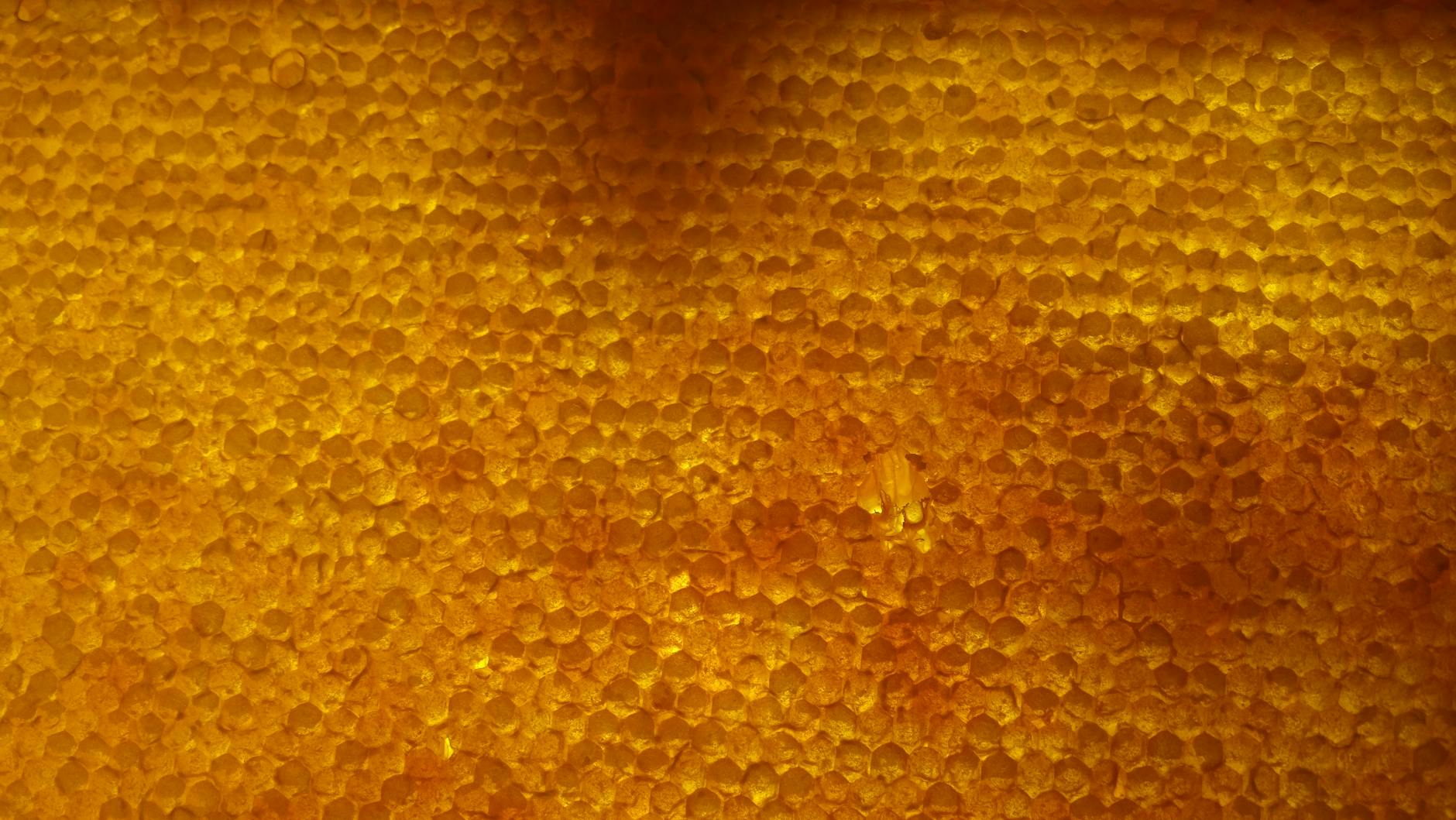
Propolis is a resinous material that honeybees collect from tree buds and plant exudates, then mix with wax and their own enzymes to form a sticky substance used to seal and protect the hive. In a typical sample, researchers often describe an approximate composition of around 50% plant resins, 30% waxes, 10% essential oils, and smaller proportions of pollen, vitamins, and other organic compounds. In the hive, this mixture functions as a physical and chemical barrier that helps maintain a stable micro‑environment for the colony. Because the source plants differ by region and season, the color, smell, and detailed chemical profile of propolis can vary considerably, which is why Brazilian green propolis, European propolis, and Asian propolis may each have slightly different sets of marker compounds.
Key components: resins, waxes, and essential oils
The resin fraction is often described as the core of propolis composition, since it concentrates many of the bioactive molecules that are later discussed in research. These resins contain a wide range of phenolic compounds, including flavonoids and phenolic acids, as well as terpenes and other plant‑derived substances. The wax portion mainly provides structure, giving propolis its solid yet workable texture that bees can use to seal gaps in the hive. Essential oils contribute much of the characteristic aroma, ranging from herbal and woody to slightly spicy, depending on the plant sources involved. From a manufacturing perspective, different extraction methods may favor certain fractions, so alcohol‑based extracts, water‑based formulas, and powdered products can show distinct component profiles even when they come from the same raw material.
Flavonoids and polyphenols: the most discussed molecules
When propolis is mentioned in scientific literature, flavonoids and other polyphenols are usually at the center of the discussion. These molecules are studied for their roles as antioxidants and their capacity to interact with various biological pathways. In analyses of commercial products, manufacturers often list "total flavonoid content" or "total polyphenols" as key quality indicators, reflecting this research focus. Different botanical origins lead to different dominant flavonoids: for example, Brazilian green propolis is frequently associated with compounds such as artepillin C, while European propolis may be richer in certain caffeic acid derivatives. For consumers, understanding that not all propolis products share exactly the same flavonoid spectrum can be helpful when reading labels or comparing formulas aimed at specific wellness themes.
Vitamins, minerals, and other nutritional components
Beyond polyphenols, propolis naturally contains small amounts of vitamins and minerals that come from plant resins and pollen. Analyses often note the presence of B‑group vitamins, vitamin C, and trace minerals such as zinc, manganese, and iron, although the exact levels differ widely between regions and batches. Propolis also includes amino acids, organic acids, and carbohydrates, which together form a complex nutritional matrix. In many markets, propolis is positioned as a complement to, not a replacement for, a balanced diet, offering concentrated plant‑derived micronutrients in a relatively small serving size. Because composition is so variable, reputable brands usually emphasize standardized extract levels or third‑party testing to provide more consistent information to consumers.
Wellness‑related characteristics often discussed in research
In the wellness field, propolis is frequently highlighted for several research‑discussed characteristics, especially its antioxidant and antimicrobial properties. Laboratory studies have examined how its flavonoids and phenolic acids can neutralize reactive oxygen species and influence oxidative balance in model systems. Other in vitro and in vivo experiments have explored effects on microbial growth, immune modulation, and tissue environments, though results can depend on species, dosage, and experimental design. It is important to remember that such findings do not automatically translate into guaranteed outcomes for every individual. Responsible communication stresses that propolis is one of many dietary components under investigation, and that personal use should be tailored with support from healthcare professionals, particularly for people with chronic conditions or those taking medication.
Green propolis and regional differences
Among the many types of propolis, Brazilian green propolis has attracted particular attention because it is mainly derived from a plant known as Baccharis dracunculifolia, giving it a distinct chemical fingerprint. Studies on this type often focus on its rich content of specific phenolic compounds and the resulting antioxidant capacity measured in laboratory assays. In contrast, propolis from temperate regions, where bees collect more from poplar trees and related species, can show a different profile of flavonoids and aromatic acids. For consumers reading product labels, these regional differences explain why some bottles highlight "green propolis" while others simply state "propolis" without further classification. Rather than assuming one type is universally superior, it may be more practical to consider standardized composition, safety data, and individual tolerance.
How people typically use propolis in daily life
In everyday life, propolis appears in capsules, liquid drops, sprays, lozenges, and even personal‑care products. Some adults choose capsules or tablets for convenient daily use, often following label recommendations such as a few hundred milligrams per day as part of a general wellness routine. Others prefer alcohol‑free drops or syrups, especially when sensitive to strong flavors or when avoiding alcohol for personal reasons. Oral sprays and lozenges target local application in the mouth and throat, providing a characteristic herbal, slightly resinous sensation that many users associate with comfort in dry or heavily used voices. Since individual needs differ, usage patterns are diverse and often based on lifestyle, taste preference, and guidance from healthcare or nutrition professionals.
Safety, allergy considerations, and professional advice
Because propolis is derived from bee products and plant resins, allergy considerations are an important part of any discussion of its characteristics. Individuals with known allergies to bee stings, honey, pollen, or other bee products are often advised to be cautious or avoid propolis unless they have specific clearance from a medical professional. Some case reports describe skin reactions or respiratory discomfort in sensitive people, especially with high topical exposure. In addition, people who are pregnant, breastfeeding, or managing chronic conditions, as well as those taking prescription drugs such as anticoagulants, are commonly encouraged to speak with a doctor or pharmacist before using propolis products. Overall, information in this article is intended for general reference only and should not be interpreted as medical or treatment advice; decisions about supplements are best made in consultation with qualified professionals who understand the individual’s health history.
Practical tips for evaluating propolis products
When evaluating propolis products, consumers often focus on source, extraction method, and labeling transparency. Clear indication of country of origin and type of propolis (for example, Brazilian green vs. multi‑regional blend) helps set expectations about typical component profiles. Labels that specify standardized amounts of total flavonoids or total polyphenols give more concrete information than those that only list "propolis extract" without details. Third‑party testing for contaminants such as heavy metals and pesticide residues can also be a valuable quality signal. Finally, responsible brands usually avoid exaggerated health claims and instead describe propolis as part of a broader pattern of balanced nutrition, adequate rest, and appropriate medical care, which aligns more closely with current evidence and professional guidelines.