Resveratrol has attracted significant attention as a potential anti-aging compound, appearing in everything from red wine headlines to high-end skincare and dietary supplements. Many readers are curious whether this polyphenol is genuinely backed by solid research or mainly marketing hype. Current scientific studies do not offer a magic youth elixir, but they do reveal several intriguing mechanisms related to cellular aging, oxidative stress, and metabolic health. This article reviews how resveratrol is being studied in the anti-aging field, where evidence looks promising, where it remains uncertain, and what practical considerations people should keep in mind when reading bold claims.
What is resveratrol and where does it come from?
Resveratrol is a polyphenolic compound naturally found in grapes, red wine, peanuts, berries, and some medicinal plants such as Japanese knotweed. In plants, it acts as a defense molecule against stress, UV radiation, and pathogens, which partly explains why it is being explored for longevity research in humans. In the nutrition and skincare worlds, resveratrol is often positioned as a high-value antioxidant ingredient, appearing in capsules, functional drinks, creams, and serums. However, the doses and forms used in research are often different from what is present in everyday foods or cosmetics, which makes it important to distinguish between food intake, topical use, and concentrated supplements when interpreting research results.
Antioxidant and anti-inflammatory actions in aging research
One major line of anti-aging research on resveratrol focuses on its antioxidant and anti-inflammatory properties. Oxidative stress and chronic low-grade inflammation are frequently mentioned in aging biology as factors associated with cellular damage over time. In cell and animal models, resveratrol has been shown to scavenge reactive oxygen species and influence antioxidant enzymes, which may reduce oxidative burden under experimental conditions. It has also been studied for its impact on inflammatory signaling pathways that become more active with age. While these mechanisms are scientifically interesting, translating them into clear benefits in everyday human aging is complex, and long-term clinical data in diverse populations are still limited.
The SIRT1 “longevity gene” and calorie restriction pathways
Resveratrol is often linked to the SIRT1 longevity gene, a member of the sirtuin family that participates in cellular stress responses, DNA repair, and metabolic regulation. Early animal studies suggested that resveratrol could activate pathways similar to caloric restriction, a well-known intervention that extends lifespan in several species under controlled conditions. In some experiments, resveratrol supplementation in animals improved metabolic markers and survival, especially in the context of high-fat diets. In humans, small studies have reported changes in markers related to insulin sensitivity, mitochondrial activity, or vascular function, but the results are not uniform. Researchers continue to debate how strongly resveratrol activates SIRT1 in humans, which doses are meaningful, and whether the effects are more about healthspan markers than lifespan itself.
Resveratrol, skin aging, and photoaging from UV exposure
Skin is a visible target of anti-aging interest, and resveratrol has been widely studied for skin photoaging related to UV exposure. Laboratory research on skin cells and reconstructed skin models indicates that resveratrol can act as an antioxidant, support barrier function, and influence collagen-related pathways under experimental conditions. Some studies explore how resveratrol may modulate pigmentation mechanisms and protect against UV-induced damage, which is why it appears in brightening or “radiance” skincare products. Nevertheless, the human data on long-term wrinkle reduction, firmness, or elasticity are not as extensive as marketing language often suggests. For now, resveratrol is better viewed as one supportive ingredient among many in a broad sun-protection and skincare routine, which still relies heavily on sunscreen, gentle cleansing, and daily lifestyle habits.
Cardiometabolic and brain aging: early but evolving evidence
Beyond skin, researchers are examining how resveratrol may relate to cardiovascular and brain aging. In cardiometabolic studies, resveratrol has been investigated for its potential influence on blood vessel function, lipid profiles, and oxidative stress around the vascular system. Small clinical trials have reported changes in some markers, but the results vary by dose, formulation, and participant health status. In neurocognitive research, scientists are exploring whether resveratrol might support blood flow in the brain or interact with pathways involved in neurodegeneration. So far, evidence is preliminary and usually based on short-term interventions with specific populations. These findings are interesting for future research directions, but they are not a substitute for established approaches such as physical activity, balanced nutrition, sufficient sleep, and regular medical care.
Food sources, red wine, and the “French paradox” story
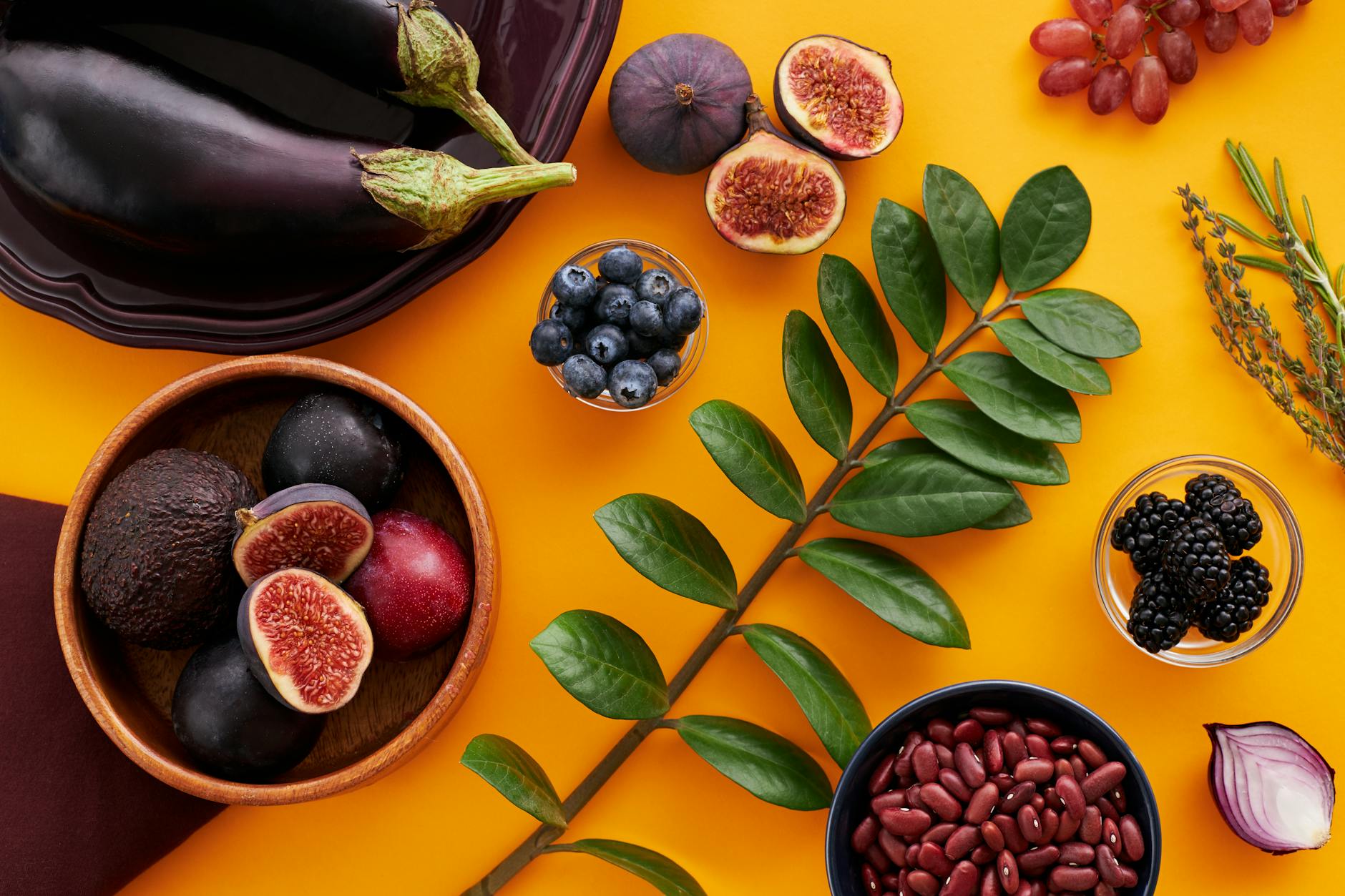
Resveratrol entered popular culture largely through the red wine and “French paradox” narrative, which suggested that certain wine-drinking populations might have better cardiovascular outcomes despite diets relatively rich in fat. While red wine does contain resveratrol and other polyphenols, the actual amount per glass is modest compared with doses used in many experiments. Relying on wine as a resveratrol source raises other concerns, since alcohol intake carries its own well-documented health risks. For those interested in dietary resveratrol, focusing on grapes, berries, and other plant foods rich in polyphenols aligns better with general nutrition guidance. Even then, it is more accurate to view these foods as part of an overall plant-forward pattern rather than as a standalone anti-aging solution.
Resveratrol supplements and practical considerations
The popularity of resveratrol supplements has grown, with products ranging from single-ingredient capsules to complex formulas combined with other polyphenols or nutrients like NMN. Human studies use very different doses, from amounts similar to dietary intake up to much higher levels, and long-term safety data at high doses are still being developed. Individuals may respond differently depending on genetics, existing health conditions, and concurrent medications, including blood thinners or drugs that share metabolic pathways. Product quality, purity, and labeling accuracy can also vary between brands. For these reasons, health-focused organizations generally recommend discussing any new supplement, including resveratrol, with a physician or qualified professional, especially for people who are pregnant, breastfeeding, older adults with multiple medications, or those living with chronic conditions.
How to interpret anti-aging claims responsibly
Anti-aging communication around resveratrol often blends early-stage science with marketing language, which can make it difficult for readers to judge credibility. A more balanced view is to recognize resveratrol as a well-studied polyphenol with interesting mechanisms related to oxidative stress, cellular signaling, and metabolic regulation, while acknowledging that current human data do not justify extreme promises about reversing aging. When encountering bold claims, it is useful to look for information about study design, sample size, whether the research involved cells, animals, or humans, and how long the intervention lasted. This article is intended for general education and does not replace personalized advice from doctors, dietitians, or other licensed professionals. Anyone considering resveratrol products for health or appearance goals is encouraged to consult a healthcare provider to discuss individual risks, realistic expectations, and how such products fit within a broader lifestyle approach to aging.