Vitamin K is often overshadowed by nutrients like calcium or vitamin D, yet it plays a central role in both bone health and normal blood clotting. When the body forms a clot after a cut, or when bones rebuild their internal structure, vitamin K–dependent proteins are working quietly in the background. Understanding how vitamin K1 and K2 function, what foods provide them, and who may need to pay closer attention helps readers make more informed choices about their daily diet. This article outlines the science in accessible language and highlights current research, while reminding readers that any health decision is best discussed with a professional.
What is vitamin K?
Vitamin K is a group of fat‑soluble compounds best known for their role in activating proteins involved in coagulation and in managing calcium in bones and other tissues. Scientists classify the naturally occurring forms mainly into phylloquinone (vitamin K1) and menaquinones (vitamin K2), which share a similar core structure but differ in their side chains and typical food sources. In the liver, vitamin K helps modify several clotting factors so they can bind calcium and function properly in the coagulation cascade. In bone and blood vessel walls, vitamin K–dependent proteins influence where calcium ends up, which is why researchers have linked vitamin K status to bone density and vascular calcification in observational studies. These mechanisms do not turn vitamin K into a stand‑alone treatment, but they show why it is considered a fundamental nutrient.
K1 vs K2: different forms, different focus
Vitamin K1 is found mainly in green leafy vegetables and is closely associated with the blood‑clotting mechanism, especially through its action in the liver. It participates in the activation of clotting factors such as prothrombin, which are essential for forming stable clots after injury. Vitamin K2, a family of compounds often labeled MK‑4, MK‑7 and so on, is more common in fermented foods and some animal products. Research suggests K2 has a particularly strong connection with bone metabolism and distribution of calcium between bone and soft tissues, although K1 also contributes. Some population studies observe that higher intakes of K2 are associated with better bone mineral density or lower fracture risk, but results can vary between countries and dietary patterns. Because many studies are observational, they show associations rather than proving direct cause and effect.
Vitamin K and the blood clotting cascade
The blood clotting mechanism is a coordinated series of steps in which inactive proteins are converted into active enzymes that eventually form a fibrin clot. Several of these clotting factors require vitamin K–dependent carboxylation, a chemical modification that enables them to bind calcium and anchor to the surface of platelets. Without adequate vitamin K, these proteins remain only partially active, and bleeding time can become prolonged, especially in situations such as surgery or trauma. Newborns are a classic example: because their vitamin K stores are low at birth, many countries recommend vitamin K administration shortly after delivery to reduce the risk of serious bleeding. People taking vitamin K antagonists such as warfarin rely on careful control of this pathway, so sudden changes in vitamin K intake can influence their medication’s effect and need to be managed under medical supervision.
How vitamin K supports bones and bone density
In bone tissue, vitamin K is involved in activating proteins such as osteocalcin, which helps bind calcium into the mineral matrix. When vitamin K is insufficient, a higher proportion of these proteins remain undercarboxylated, a state often used in research as a marker of low vitamin K status in bone. Some clinical and observational studies suggest that adequate vitamin K intake is associated with higher bone density and a lower osteoporosis risk, especially in older adults and postmenopausal women. For example, research from Japan and Europe has examined vitamin K2‑rich diets and fracture outcomes, though results are not identical across all trials. Scientists continue to investigate optimal intake levels and whether specific forms like MK‑7 offer advantages, but current dietary guidelines still emphasize an overall balanced diet rather than high‑dose single‑nutrient strategies.
Food sources rich in vitamin K1 and K2
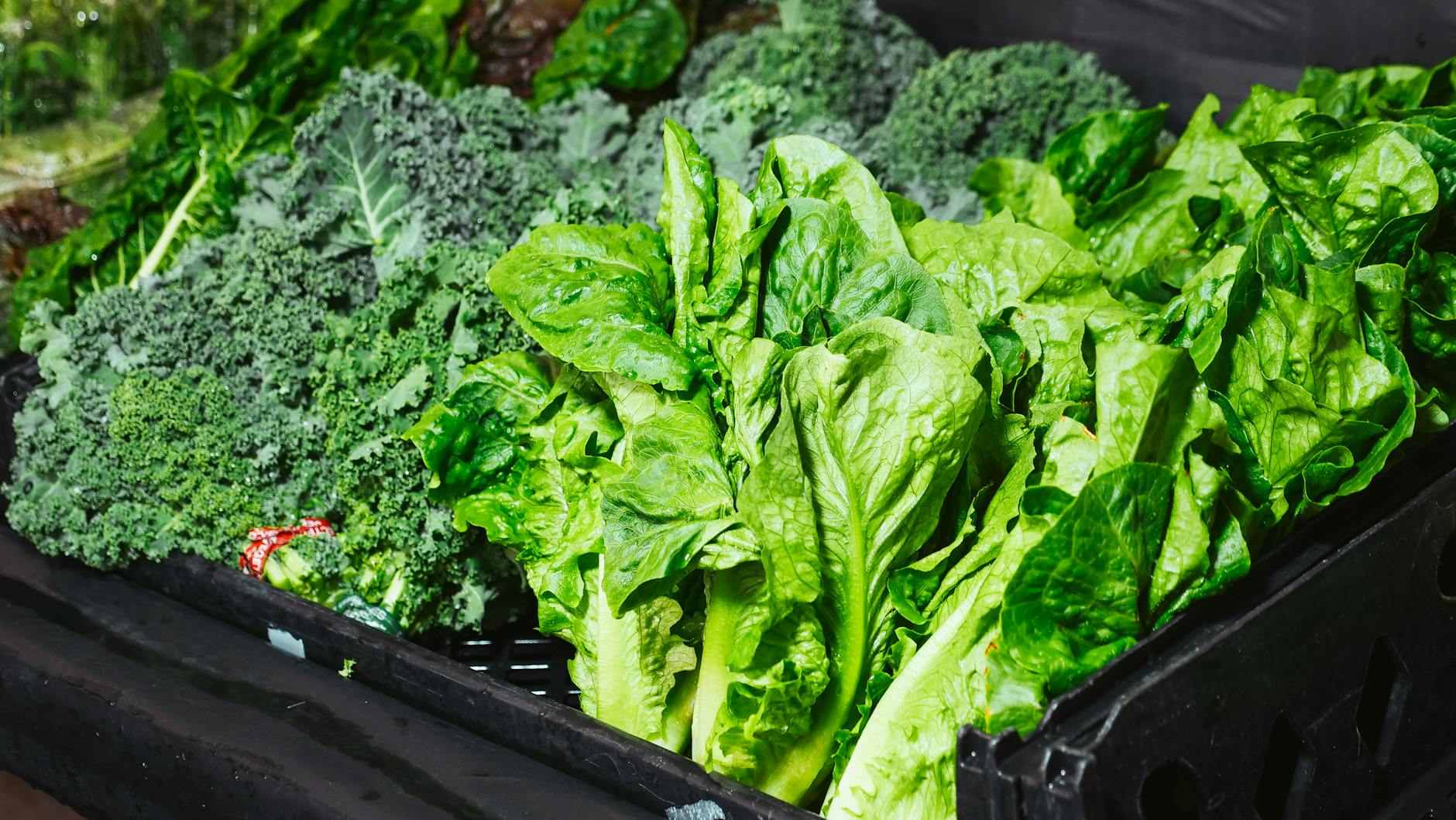
Most people obtain vitamin K1 primarily from dark green vegetables such as spinach, kale, collard greens, and broccoli. Because vitamin K is fat‑soluble, pairing these vegetables with a modest amount of oil, nuts, or seeds can enhance absorption. Vitamin K2 is more abundant in fermented foods and certain animal products. Traditional Japanese natto is one of the richest natural sources of MK‑7, a long‑chain form of K2 that has attracted attention in bone research. Other sources include aged cheeses, yogurt, egg yolks, and organ meats like liver. Dietary patterns vary across regions, so an individual’s main vitamin K source may be salads and cooked greens in one country and fermented soy or cheese in another. For most generally healthy adults eating a varied diet, vitamin K intake is likely to meet basic needs, but restrictive diets can make gaps more likely.
Vitamin K, life stages, and special groups
Vitamin K needs and attention points can differ across life stages. Infants depend on professional guidance because of their naturally low stores and the importance of early supplementation protocols in many healthcare systems. Children and teenagers, whose bones are still building peak mass, benefit from routines that combine vitamin K–rich foods with calcium, vitamin D, and regular weight‑bearing activity. Older adults, especially those with a family history of fractures or with limited sun exposure, frequently come up in studies examining vitamin K intake and skeletal outcomes. People who follow very low‑fat diets, have conditions affecting fat absorption, or use long‑term antibiotics may also have altered vitamin K status and should discuss this with healthcare providers who can evaluate their overall nutrition and, if needed, laboratory markers.
Supplements, interactions, and safety notes
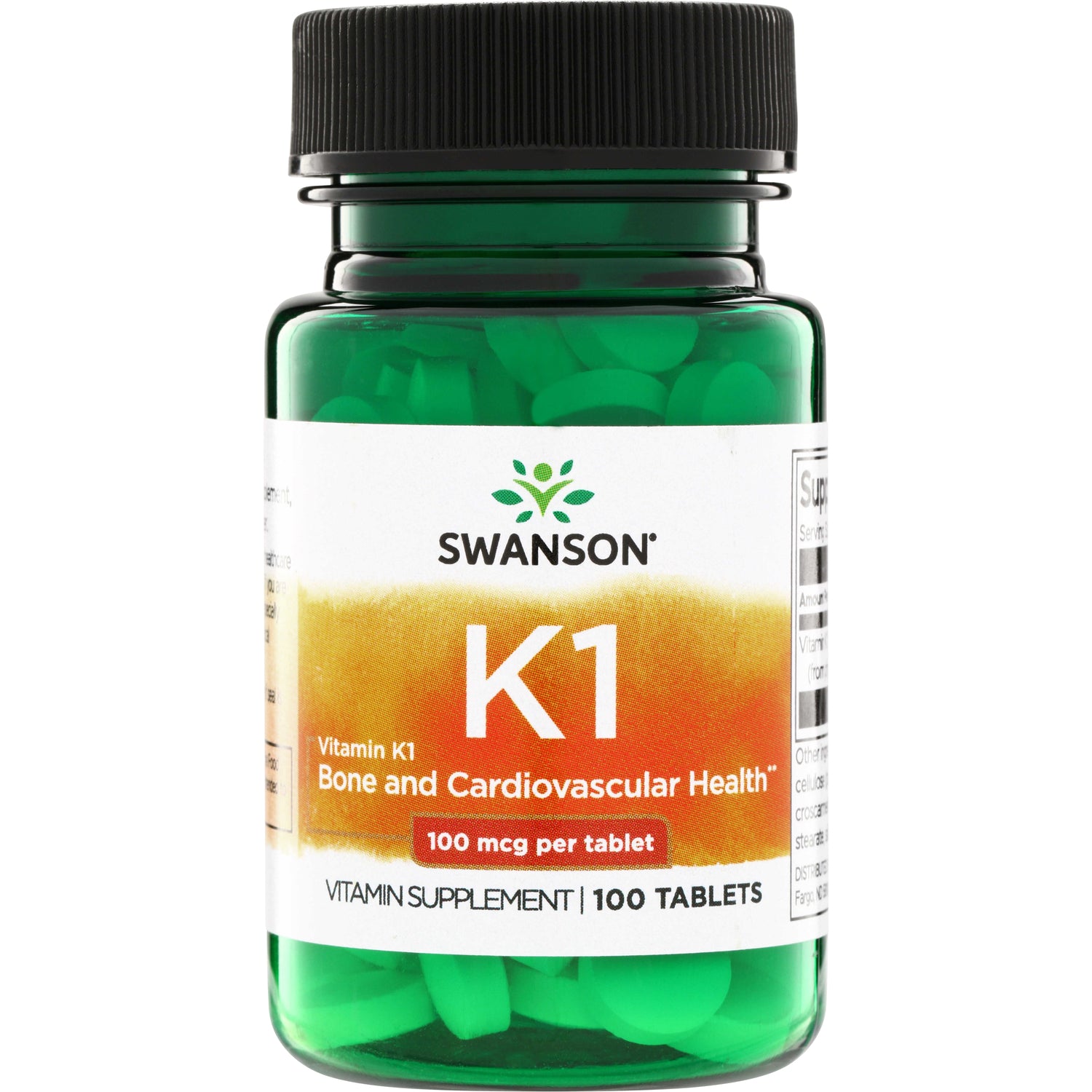
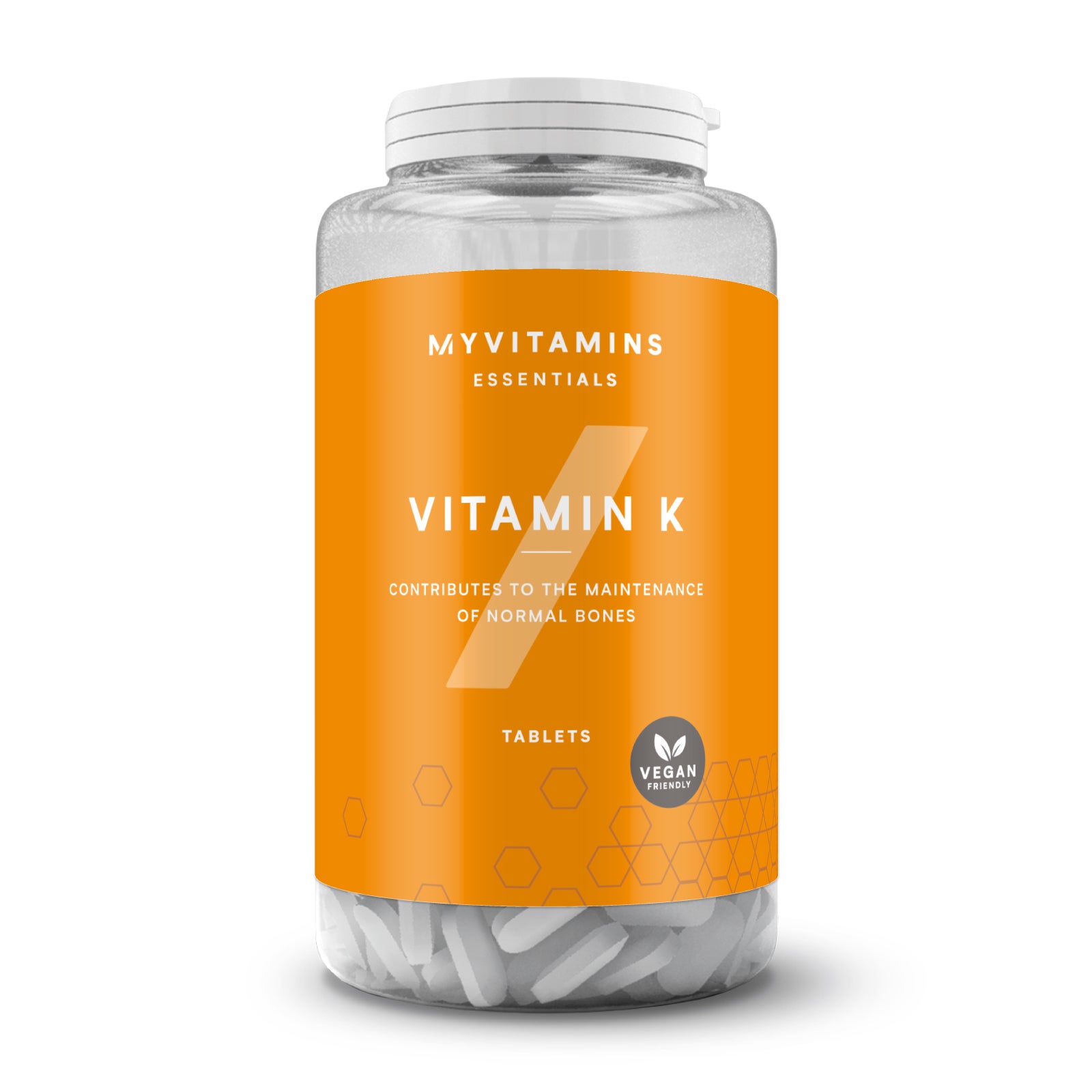
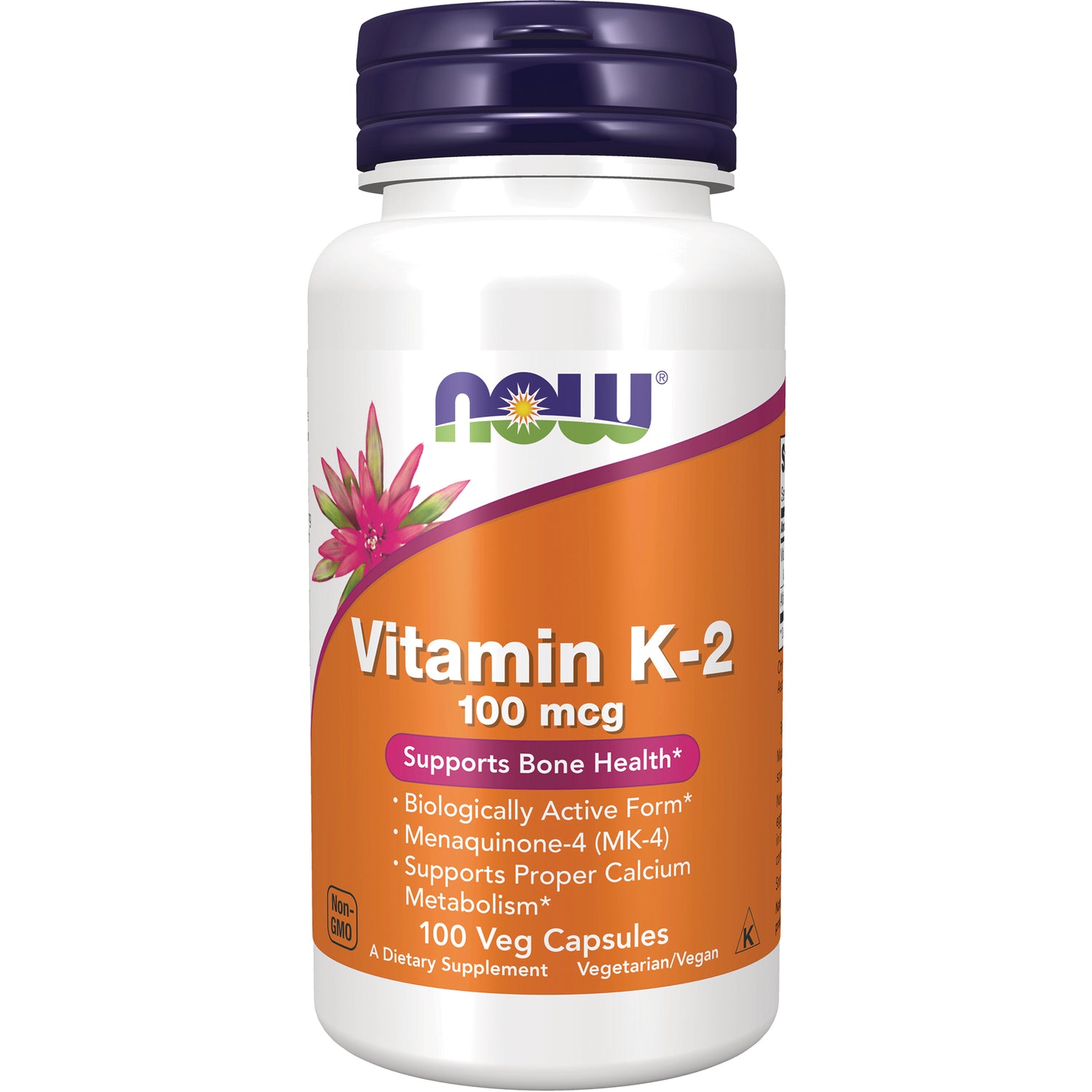
Vitamin K supplements are widely available as K1 or different K2 forms, often marketed for bone or cardiovascular support, but they are not suitable for everyone. Individuals taking anticoagulant medications such as warfarin or similar drugs must be especially cautious, since supplemental vitamin K can interfere with therapy and change test values like INR. Even for people not on such medicines, expert groups generally recommend focusing on food sources first and using supplements only when there is a clear, professionally evaluated reason. Current reports from health authorities indicate that vitamin K from food has a wide safety margin for most adults, though extremely high doses in supplement form have not been studied across every population. Because responses are individual, readers considering supplements are encouraged to consult a physician or dietitian rather than relying solely on marketing claims or online advice.
Practical takeaways and professional advice
For many readers, the key message is that vitamin K connects two critical systems: it enables normal blood clotting when the body needs to stop bleeding, and it participates in the complex network that maintains strong bones over time. Including a variety of leafy green vegetables, fermented foods such as natto or aged cheese, and moderate amounts of eggs or dairy can support steady intake as part of an overall balanced diet. At the same time, vitamin K should not be seen as a quick fix for bone fragility or circulation problems, since these conditions usually involve multiple factors including genetics, physical activity, and other nutrients. Any persistent bruising, unusual bleeding, or concerns about bone health, especially in older adults, warrant a conversation with a qualified healthcare professional who can assess individual risks. The information in this article is intended for general education only and does not replace personalized medical advice.