Many people describe a feeling of the head being wrapped by a band, scalp tightness, or heaviness after a long workday or intense screen time. Instead of直接looking for a miracle pill, health professionals usually提醒 that head tension may be related to stress, muscle stiffness in the neck and shoulders, eye strain, or sleep and lifestyle patterns. This article focuses on what nutrients are often discussed in relation to this kind of discomfort, how to think about supplements, and what to talk through with a doctor or dietitian. The information is for general education, not a diagnosis or personalised treatment plan, and readers are encouraged to seek professional advice for persistent or severe symptoms.
Understanding head tension before adding any supplement
Before choosing any supplement, it is important to understand that a feeling of tightness around the head can come from very different causes, ranging from muscle tension and poor posture to dehydration, caffeine intake, anxiety, or other health conditions. Some people also experience this sensation with tension-type headache or when shoulders and neck are very stiff after long hours at a desk. Because of this, blindly adding pills or powders without checking the underlying situation may delay proper assessment. A healthcare professional can help rule out red flags such as sudden very strong pain, neurological symptoms, or vision changes. Once serious issues are excluded, lifestyle, movement, and nutrition can be reviewed together to see whether any deficiency or habit might be contributing.
Magnesium: common discussion for muscle and nerve relaxation
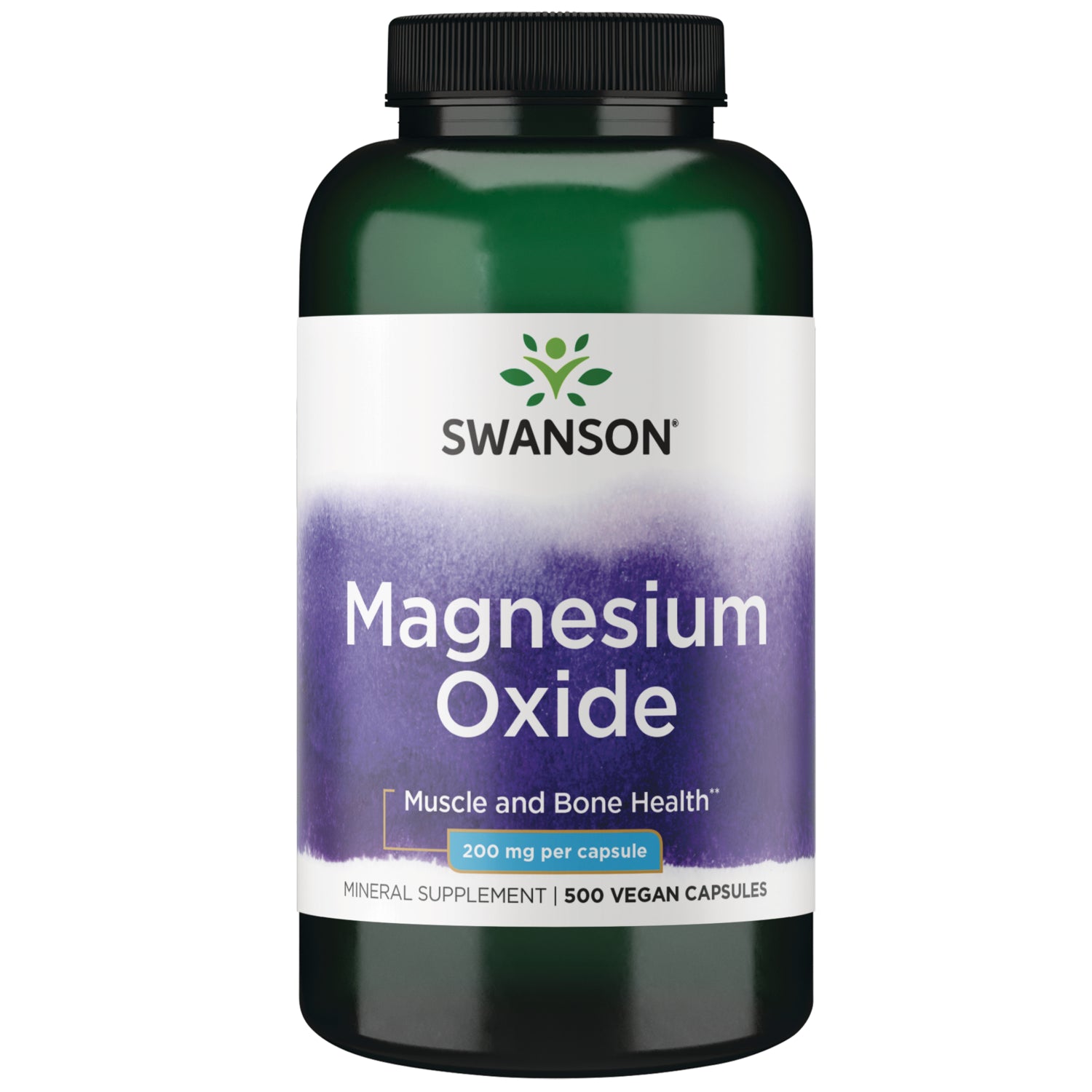
Magnesium is one of the nutrients most often mentioned when people talk about head tension and muscle tightness, because it plays a role in nerve signalling and normal muscle function. Some observational research has found that lower magnesium intake is relatively common in modern diets based on refined grains and convenience foods, which may be a concern for people who rarely eat nuts, seeds, legumes, or leafy greens. Rather than immediately choosing a high-dose supplement, many specialists suggest first looking at dietary sources like pumpkin seeds, almonds, cashews, tofu, black beans, and spinach. If a supplement is considered, the form, dose, and possible interaction with medications, kidney function, or digestive sensitivity need to be reviewed with a doctor or pharmacist, especially for older adults or those with chronic conditions.
B vitamins and energy metabolism for busy, stressed adults
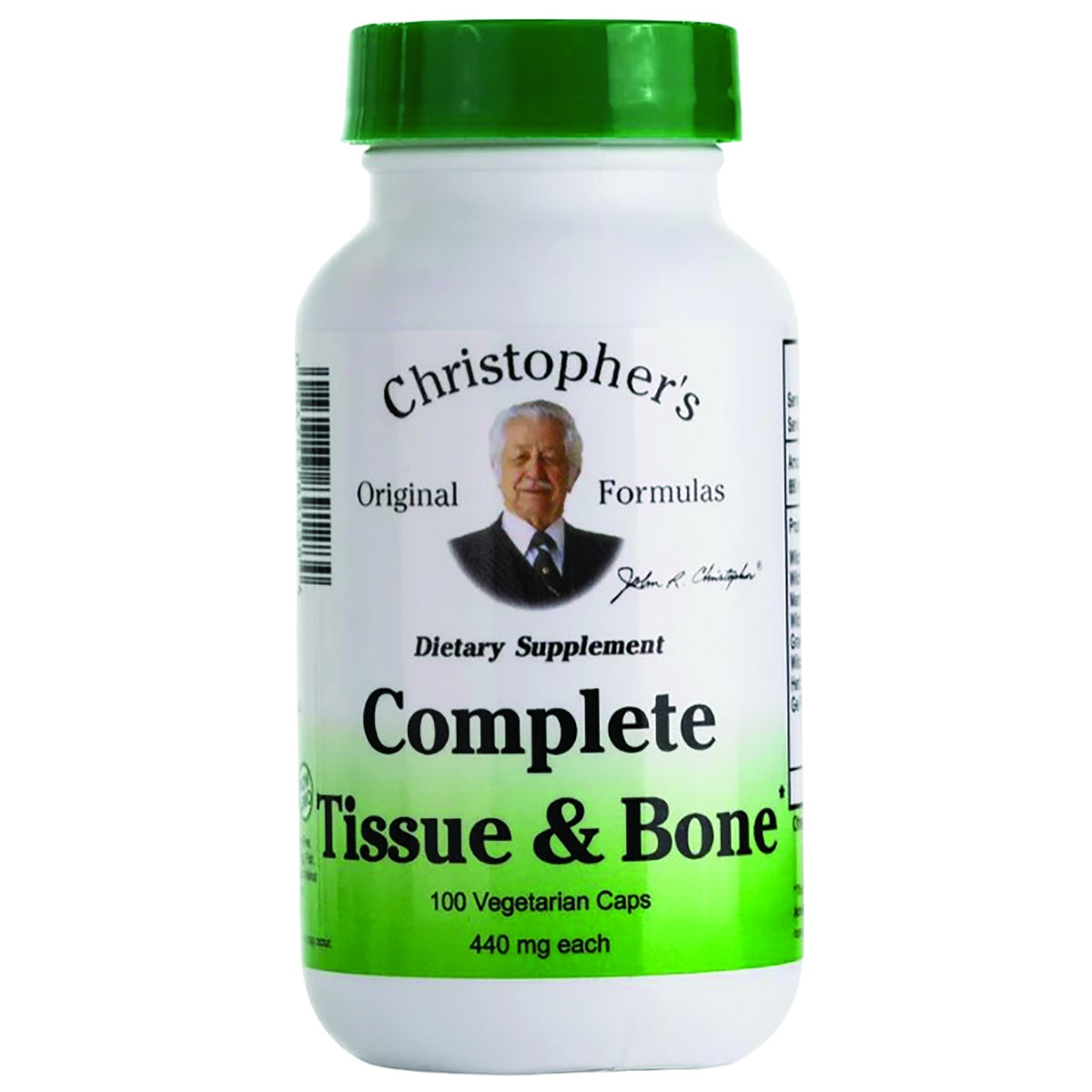
B vitamins are involved in energy metabolism and normal function of the nervous system, so they are frequently marketed to office workers who feel tired, wired, and tense after long hours. People who skip meals, rely on processed snacks, or drink a lot of alcohol may have relatively low intake of certain B vitamins over time. Whole grains, eggs, dairy, meat, fish, and legumes are everyday sources that can be included in regular meals before turning to tablets. For those who follow vegetarian or vegan patterns, vitamin B12 from fortified foods or supplements may be relevant, but this should be based on blood tests and professional guidance. It is also worth remembering that taking more B vitamins than the body needs does not automatically translate into better mood or less head tension, and excessive doses of some forms can cause side effects in sensitive individuals.
Hydration, electrolytes, and caffeine habits
Dehydration and irregular caffeine intake are common but often overlooked triggers when someone reports a heavy or tight feeling in the head by late afternoon. Many office workers drink coffee or tea constantly but forget plain water, leading to a mix of stimulation and relative fluid lack that may leave them feeling off. Simple steps such as keeping a water bottle at the desk, drinking a glass of water with each meal, and noticing urine colour can be practical indicators of daily fluid intake. On hot days, during intense work, or after exercise, some people also lose more electrolytes through sweat, and may choose foods naturally containing minerals like potassium and magnesium from fruits, vegetables, and nuts. Rather than automatically buying electrolyte drinks, checking the overall pattern of fluids, caffeinated beverages, and alcohol gives a clearer picture of what the body might need.
Stress, sleep quality, and when supplements are not the main answer
For many people, head tension is closely related to psychological stress, long periods of concentration, and restless sleep, and in those cases supplements alone may not make a major difference. Relaxation techniques, gentle stretching of the neck and shoulders, short breaks away from screens, and creating a consistent sleep schedule can be as important as anything taken by mouth. Some individuals explore ingredients like herbal teas as part of a relaxing evening routine, but responses are highly individual and the scientific evidence for specific products varies. It is also important to consider mental health: ongoing anxiety, low mood, or burnout can show up in the body as tight muscles and a heavy head, and may benefit from counselling or workplace changes rather than only nutritional adjustments. Viewing head tension as a signal to review overall lifestyle often leads to more sustainable changes.
Safety, medication interactions, and professional guidance
Any time new supplements are added on top of prescription medicines, the question of safety and interactions should be taken seriously. Certain minerals can affect absorption of antibiotics or thyroid medication, while some herbal ingredients may influence blood clotting or liver enzymes. People who are pregnant, breastfeeding, managing chronic illnesses, or caring for older family members are usually advised to check with a doctor, pharmacist, or registered dietitian before starting new products. Keeping a written list or photo record of everything being taken, including over the counter pain relievers for head discomfort, can help professionals give more precise advice. If head tightness suddenly worsens, changes in pattern, or comes with symptoms such as weakness, confusion, or vision problems, urgent medical evaluation is recommended instead of relying on home remedies or supplements.
Putting it together: how to think about nutrients and head tightness
When the head often feels tight, many people understandably look for simple answers, yet the most practical approach is usually a combination of checking for warning signs, improving daily habits, and then considering nutrients where appropriate. Balanced meals, regular hydration, movement breaks, and attention to stress and sleep form the base that any supplement decision should sit on. Nutrients like magnesium and B vitamins may be discussed with a professional if there is reason to suspect low intake, but they are not a substitute for medical assessment or lifestyle adjustment. Because every person’s body, work demands, and health history are different, personalised guidance is important, and this information is offered only as general education and a starting point for conversations with qualified health providers.